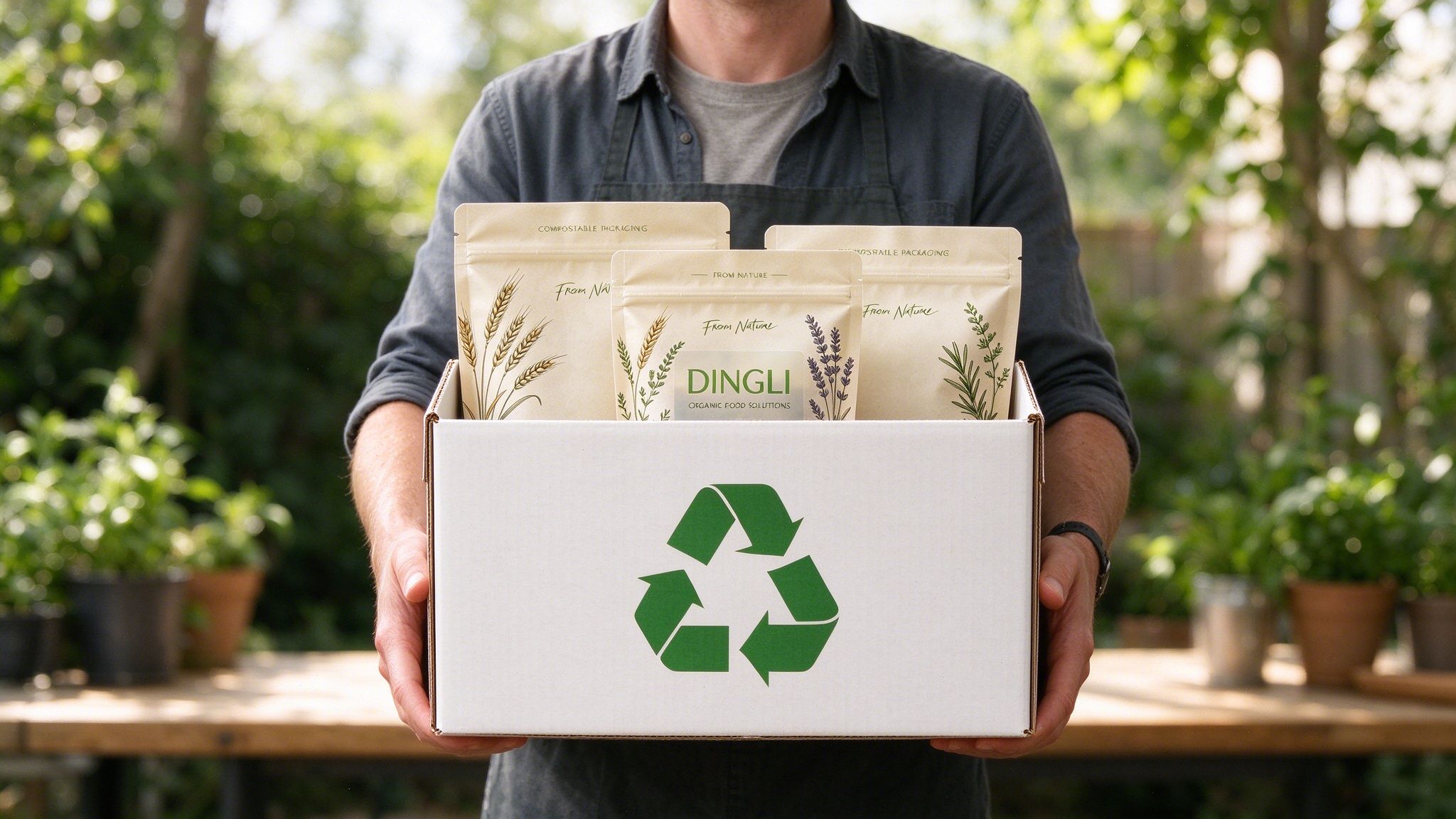
Eco-friendly packaging doesn’t mean replacing every bag, box, or label you already use. For a small business or growing brand, start with what you can control: excess material, oversized cartons, and packaging that customers can’t easily recycle. If you’re exploring alternatives, compare different recyclable pouches and see whether a simpler structure can protect your product without using more material than necessary.
You don’t need to redesign your entire product line overnight. A few practical changes can help reduce packaging waste, free up storage space, and make purchasing decisions easier. Here are eight places to start.
IN THIS ARTICLE Quick Overview Practical packaging changes for brands and product teams. Open / Close
1. Use Light Packaging

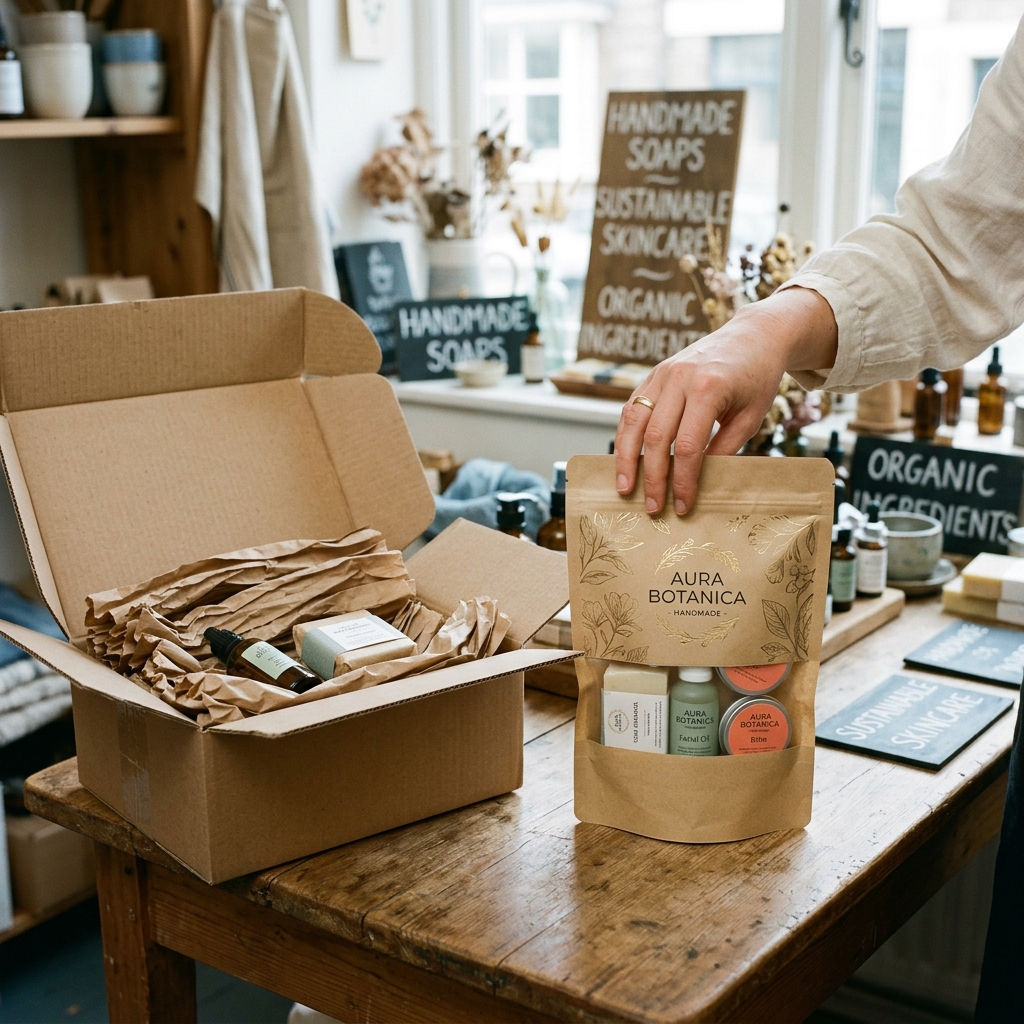
Take a look at your current packaging. Does that product really need an extra sleeve, a second plastic bag, and a box with plenty of room to spare? Sometimes, the easiest improvement is simply removing what serves no real purpose.
Start with a few simple checks:
- Remove unnecessary inserts, wraps, and decorative layers.
- Choose a package size that fits the product without excessive empty space.
- Ask whether the current material thickness is necessary.
- Keep enough protection to prevent leaks, breakage, and shipping damage.
Say you sell small accessories in a box designed for a much larger item. A smaller box may use less material and cost less to ship. Just don’t cut corners on protection—a pouch that tears in transit can create more waste than it saves.
The goal is to remove excess, not essential protection.
2. Choose Packaging That Can Be Recycled Locally
A package labeled recyclable isn’t necessarily accepted in your customer’s local recycling bin. The material, package structure, sorting facilities, and available recycling processes all matter.
Before placing a bulk order, ask your supplier three questions:
- What materials make up the package?
- Is this structure accepted by recycling systems in my target market?
- Could coatings, closures, or other components affect recycling?
A paper bag with a plastic lining, for example, may be handled differently from an uncoated paper bag. The same goes for flexible plastic packaging: two pouches that look almost identical can have different material structures.
If you sell in Europe, review the relevant PPWR packaging requirements and solutions before making compliance claims. Requirements depend on the packaging type, intended use, and applicable implementation dates, so check the rules that apply to your product.
Choose packaging based on its real end-of-life options—not just the recycling symbol on the label.
3. Consider Packaging Made with Recycled Materials
Recycled paper and certain recycled plastics may work for your packaging, depending on what you sell and how the package will be used. Ask your supplier what options are available before assuming your existing material is the only choice.
Here’s a practical way to get started:
- Explain what the package will contain and how customers will use it.
- Ask about suitable recycled-content materials.
- Request samples and material specifications before ordering in bulk.
- Check strength, print quality, and any applicable food-contact requirements.
For retail products, appearance matters too. Check how the material handles your logo, colors, and finish. A sample will tell you more than a product description ever could.
One distinction is worth keeping in mind: recycled content and recyclability are not the same thing. A package can contain recycled material without being readily recyclable after use. Check both before making a decision.
4. Remove Unnecessary Packaging Layers
Some products need several material layers to block moisture, oxygen, or light. Others may have a more complicated structure than necessary. If your packaging includes multiple films, liners, or outer wraps, ask your supplier whether the design can be simplified.
The answer depends on the product. A dry product with modest barrier requirements may have different options from coffee or another product that needs stronger protection to maintain freshness.
Before changing the structure, check four things:
- Barrier performance: Does the package need protection against moisture, oxygen, or light?
- Seal strength: Can the new structure maintain a reliable seal?
- Product shelf life: Will the product stay protected for the required period?
- Recycling compatibility: Does the proposed structure fit the recycling options in your target market?
DINGLI PACK can help assess suitable options, including custom mono-PE recyclable rollstock film for applications where this structure meets the product’s performance requirements.
Fewer layers can be useful, but fewer isn’t always better. Simplify the structure only when it still does its job.
5. Choose Packaging That Fits Your Product
A bag for cookies doesn’t need the same features as a pouch for powdered pet food or liquid detergent. Start with the product, then choose the package—not the other way around.
Before choosing a new format, answer four basic questions:
- What will the package contain?
- How much product will it hold?
- How long must the product stay fresh or protected?
- Will customers store it on a shelf, hang it on a display, or receive it by mail?
For a cookie brand, custom printed recyclable stand-up cookie bags may be worth considering if the material structure suits the product and local recycling requirements. A pet food or powder brand may need a different bag style, capacity, or barrier level.
Think about the sales channel, too. Retail products may need to stand upright or include a hang hole. Online orders need packaging that protects the product during delivery.
The right packaging protects the product, works for the customer, and avoids unnecessary material use. There’s no need to make the decision more complicated than that.
6. Consider Refill Packaging for Products Customers Buy Repeatedly
If customers buy the same product again and again, refill packaging may be worth a look. Household cleaners, personal care products, and some liquid products can be suitable candidates when the material meets the product’s safety and storage requirements.
A refill pouch can let customers top up a reusable container instead of buying a new rigid container every time. Depending on how often the container gets reused and how much material the refill system uses, this approach may reduce packaging waste.

Before switching, consider a few practical details:
- Can customers pour the product without making a mess?
- Can the pouch withstand filling, shipping, and normal handling?
- Does the product need specific barrier or leak protection?
- Will customers actually reuse the original container?
A refill pouch isn’t automatically the more sustainable choice. The full picture includes the pouch, the reusable container, transportation, and customer habits.
If you’re developing a refill product, discuss the capacity, spout design, material structure, and filling method with your packaging supplier before finalizing the design.
7. Reduce Packaging Waste During Shipping
Packaging waste doesn’t end when the product leaves the factory. Oversized cartons, excess filler, and poor packing arrangements can all waste space and materials.
Start with three simple checks:
- Measure your cartons: Check whether the box is much larger than the packed products require.
- Review packing quantities: See whether products can be arranged more efficiently.
- Track damage rates: Make sure any change still protects the goods in transit.
Flexible packaging can help here. Empty pouches and rollstock film can often be shipped flat, taking up less space than many rigid containers before filling or conversion. Actual savings depend on order volume, carton dimensions, and the shipping method.
If you buy printed pouches in bulk, ask your supplier for carton dimensions and packing quantities before confirming the order. Those details help you plan warehouse space and estimate freight costs.
Smaller cartons aren’t always the answer. If products arrive crushed or seals get damaged, the savings disappear quickly. Aim for efficient packing that still protects the goods.
8. Ask Your Packaging Supplier for Practical Alternatives
You don’t need to become a packaging materials expert overnight. A good supplier can help you compare options—but they’ll need to know what your product requires.
Instead of asking only, “Do you have eco-friendly packaging?”, share a few details:
- Your product type and filling weight or volume.
- Your current package size and material, if known.
- The countries where you plan to sell.
- Your printing needs and expected order quantity.
- Your main concerns, such as cost, product protection, or recycling.
Then ask for two or three suitable options. A short, relevant comparison is much more useful than a long list of materials that may not work for your product.
Request samples before placing a bulk order. Check the seal, strength, opening experience, print quality, and compatibility with your filling process. If the product needs specific barrier performance, ask for relevant test data rather than judging by appearance alone.
Considering compostable packaging? Check the conditions required for composting and whether suitable collection facilities are available in your target market. You can explore custom compostable packaging bags as a starting point, but confirm the material’s suitability and supporting evidence before making environmental claims.
A reliable supplier should explain both the benefits and the limitations of each option. That’s how you make a sound purchasing decision—not by choosing whichever material sounds the greenest.
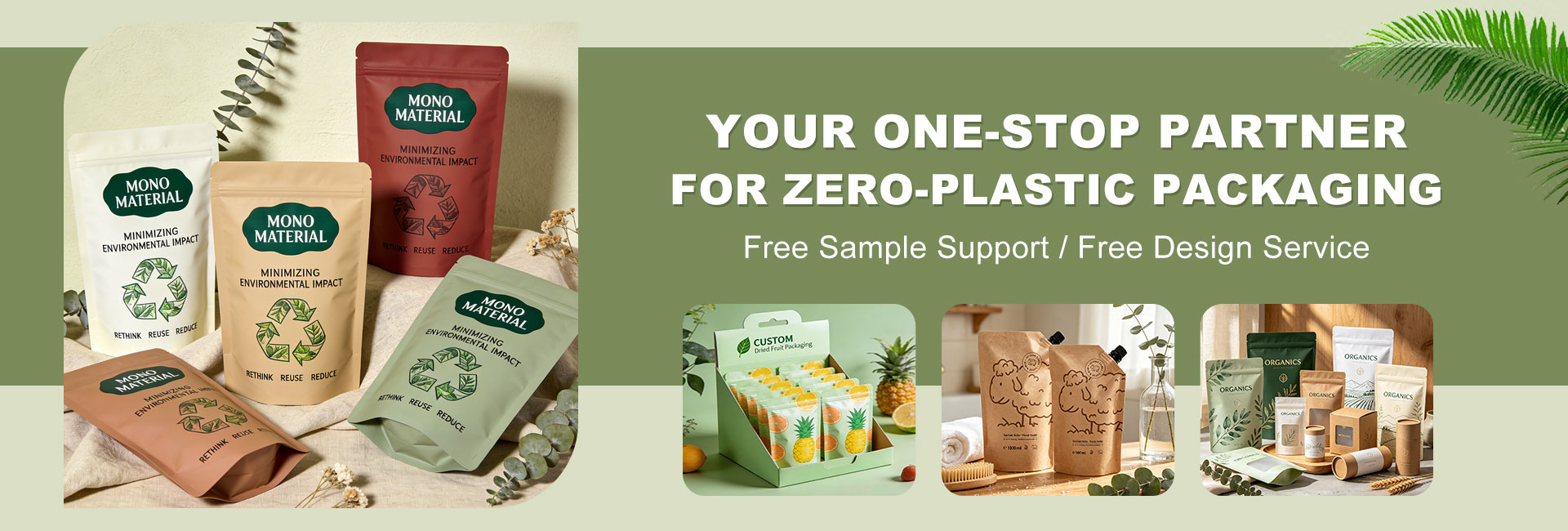
How to Get Started with More Sustainable Packaging
You don’t have to tackle all eight ideas at once. Start with the changes that are easiest to make with your current packaging, then review the more substantial options when you next place an order or launch a product.
Use this quick checklist to get moving:
- Remove unnecessary packaging layers or oversized components.
- Check whether your packaging can be recycled in your main sales markets.
- Ask about recycled-content materials or simpler structures where suitable.
- Review package dimensions and shipping efficiency.
- Request samples and supporting material information before ordering in bulk.
Planning a new product? It’s usually easier to consider material use, product protection, and recycling options during the design stage than to change the entire package after production has started.
For example, brands selling dry foods, coffee, or pet products can compare options such as custom eight-side-seal packaging bags and recyclable stand-up pouches with a hang hole. The best fit depends on the product, required barrier performance, retail needs, and local recycling options.
Need Help Choosing the Right Packaging?
At DINGLI PACK, we work with brands and businesses to develop custom printed packaging around their product requirements, packaging performance, and target markets.
Tell us what you’re packing, your preferred size, and where you plan to sell. We can help you review suitable materials, pouch styles, and customization options before you commit to a bulk order.
Contact DINGLI PACK to Discuss Your Packaging
You can also explore our packaging solutions to compare options for your next product launch.
Frequently Asked Questions
01 What Type of Custom Packaging Is Best for My Product? +
02 Which Packaging Materials Offer the Right Barrier Protection? +
03 Can I Customize Pouch Sizes, Zippers, Spouts, and Other Features? +
04 Are Your Custom Food Packaging Bags Suitable for Food Contact? +
05 What Is Your MOQ for Custom Packaging, and How Is Pricing Calculated? +
06 Can You Print My Logo and Help Prepare Artwork for Custom Bags? +
ONE-STOP PACKAGING SOLUTION - From Concept to Shelf in 7 Days
At DINGLI PACK, we know how stressful packaging can be for small brands, store owners, and startups. That’s why we focus on making it simple, reliable, and tailored to your needs. From stand up pouches, coffee bags with valves, flat bottom bags, spout pouches, shrink sleeves...
Our team provides hands-on support—from free package design and material advice to practical OEM guidance—making sure your product looks great and stays protected. Want to see us in action? Check our Video Center.
With a 5,000 m² workshop and 24/7 support, we deliver fast replies, consistent quality, and peace of mind. Stay updated with our tips and stories in the News Section, or explore all our solutions on the Products Page.
We’re more than a supplier—we’re a partner who understands the challenges of growing a brand and is ready to make your packaging shine.
Related Packaging Solutions