PPWR Packaging Solutions

PPWR compliance packaging

PPWR 2026 packaging regulation

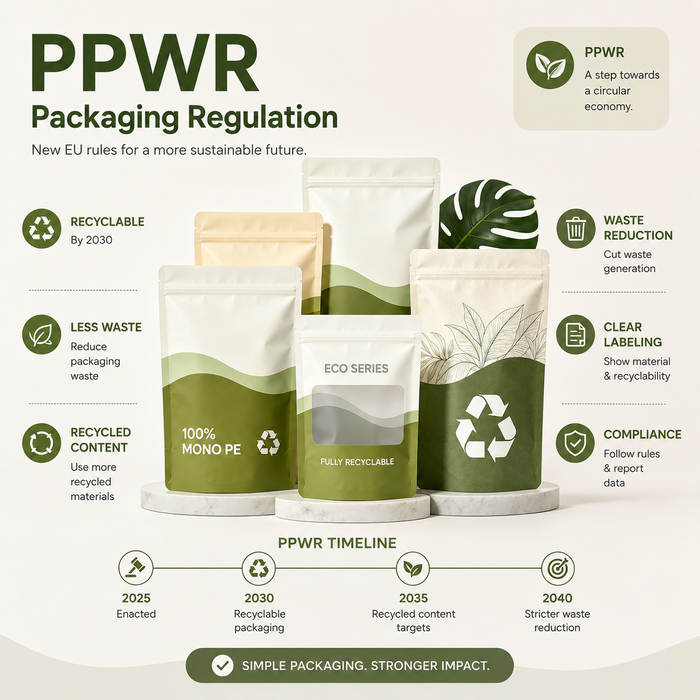
Is your packaging actually ready for the EU PPWR 2026 packaging regulation? This is a question we’ve been hearing more and more from brands lately. And honestly, if you’re still using traditional multi-layer laminates or packaging structures that can’t really be recycled, then there is a good chance your products will start to feel “out of place” in the EU market.
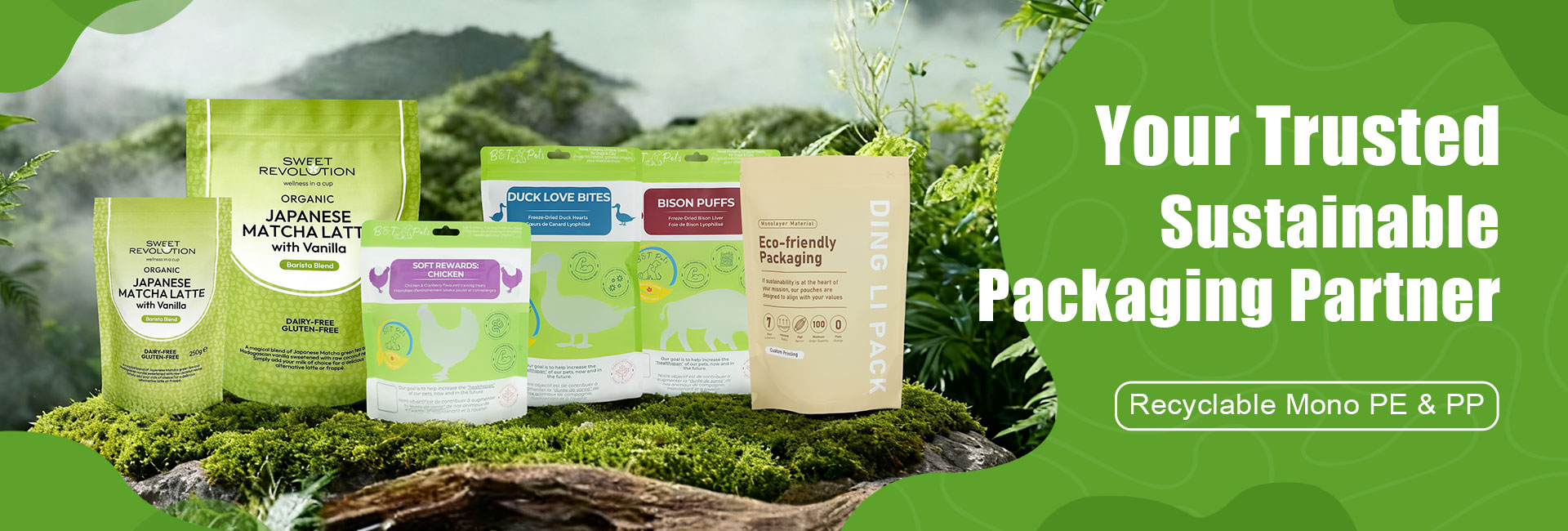
At DINGLI PACK, we work with brands on PPWR compliant packaging solutions, mostly mono-material recyclable structures and export-ready flexible packaging that still looks good on shelf, still prints well, and doesn’t break your existing branding system.

What is the PPWR Regulation?

Most brands we talk to don’t really start with “what is PPWR in theory”. It’s usually more direct than that. Something like: “Will my packaging still work in Europe in a year or two?” or “Do I need to change everything before exporting again?” That’s really where the EU PPWR packaging regulation comes in.
PPWR mostly shows up when you look at your current packaging structure. Multi-layer films, mixed materials… they might still look fine on shelf, but in terms of recyclable packaging EU requirements, they start to become a problem. At DINGLI PACK, we help brands move into PPWR compliant packaging solutions without breaking production flow.
PPWR compliant recyclable packaging
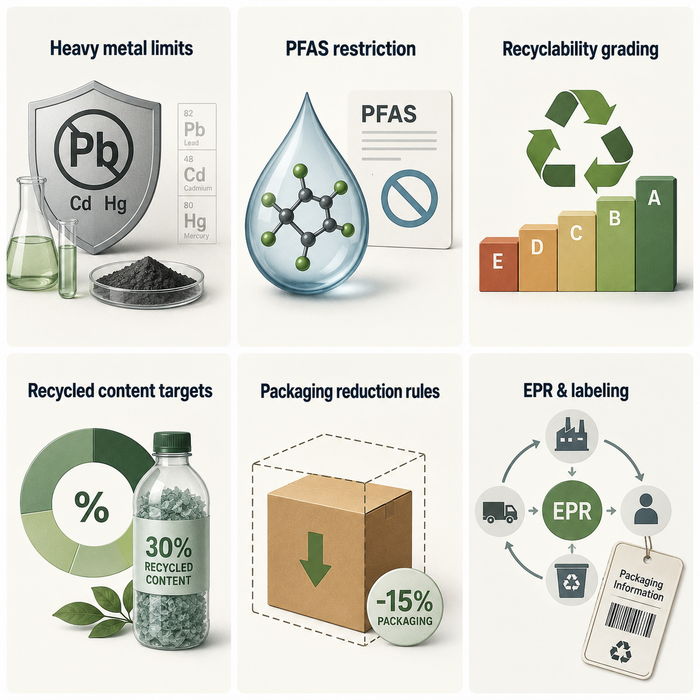
Six core PPWR packaging compliance requirements
Six Core PPWR Compliance Requirements You Need to Know
Most brands don’t usually come to us asking for a full breakdown of regulations. The question is often much more practical, like: “Is our packaging still OK for the EU market?” or “What exactly could cause problems later on?”
That’s really how PPWR shows up in real business. Not as a document you read once, but more like a checklist you suddenly need when European expansion becomes real.
1. Heavy Metals Limits (≤100mg/kg)
This is usually one of the first technical checkpoints, even if brands don’t notice it at the beginning. It covers heavy metals like lead, cadmium, mercury, and chromium, with a total limit of 100mg/kg. In real production, this doesn’t feel like a “regulation issue” at first. It shows up through ink system selection, recycled material consistency, and PCR content stability in production. Many brands only discover this when they change suppliers or increase recycled content. Before that, it often goes unnoticed. But once scaling starts, it becomes part of the real compliance conversation.
2. PFAS Restrictions in Packaging Materials
PFAS is not fully banned everywhere yet, but the direction in the EU is pretty clear. The focus is mainly on food-contact packaging, especially where grease or moisture resistance is needed. What it affects in practice includes grease-resistant coatings, barrier layers in paper-plastic structures, and oil-proof food packaging designs. A lot of brands don’t see this as a problem until they start exporting to EU retailers. Then compliance questions appear during approval or sourcing reviews.
3. Recyclability Grading System (A / B / C / D)
This is where PPWR really changes the game. Packaging is no longer just “recyclable or not recyclable”. It is evaluated and graded based on recycling performance. A grade means smooth recycling flow, B means recyclable with some limitations, C means low recycling efficiency, and D means not suitable for recycling systems. What surprises many brands is this: even “technically recyclable” packaging can still get a poor grade if the system struggles to process it. And that grade matters more and more in EU buyer decisions and retailer approval processes.
4. Recycled Content Requirements (2030 / 2040 Targets)
This part is less about today, more about where the market is heading. The EU is gradually increasing minimum recycled content requirements in packaging materials. 2030 is the first major increase in PCR expectations, and 2040 brings stronger closed-loop circular requirements. In practice, this impacts sourcing stability more than design itself. Some suppliers can’t guarantee consistent recycled material quality at scale, and that becomes a risk for long-term export programs.
5. Packaging Reduction & Empty Space Control
This requirement is often underestimated. It’s not only about using less material. It’s about efficiency across the whole packaging system. Key evaluation points include total material usage, transport efficiency, and product-to-packaging ratio (empty space control). From a business point of view, it also connects directly to logistics cost and warehouse efficiency. So in reality, it’s both an environmental rule and a cost-control factor.
6. EPR Registration & Labeling Requirements
This is usually where things become operationally complex. Extended Producer Responsibility (EPR) means brands are responsible for packaging waste management in each EU country they sell into. That includes national registration systems, recycling fees and reporting, and labeling compliance requirements. Individually, each step is manageable. But when you operate across multiple EU markets, it becomes a structured compliance system, not just a one-time task. This is often the point where brands realize PPWR is not only about packaging design, but also about market operations.
PPWR is not a single rule you simply comply with. It is a layered system that quietly affects materials, sourcing, structure, grading, and even how your packaging is judged in the EU market.
That’s why more brands are actively searching for PPWR compliant packaging solutions and recyclable packaging EU suppliers when they plan European expansion.
Not sure if your packaging is ready for EU PPWR compliance?
A quick check from our team can help you avoid costly redesigns and customs issues before production starts.
Talk to an Expert
PPWR packaging manufacturer
DINGLI PACK PPWR Compliant Packaging Solutions
We don’t just “offer packaging” — we help you figure out what still works under PPWR, and how to move forward without rebuilding everything from zero.
Mono-Material Recyclable Systems
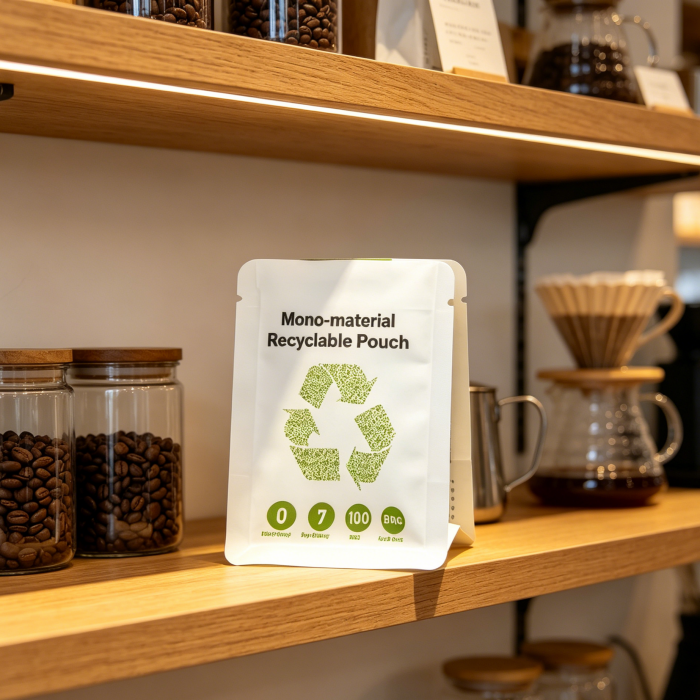
A lot of packaging problems start with mixed materials that no longer fit future recycling systems. We usually guide brands toward Mono PE or Mono PP structures — not a full reset, but a controlled transition that keeps production stable.
High-Barrier Eco Alternatives
One of the biggest concerns is simple — “If we remove aluminum, will our product still last?” EVOH-based structures help replace aluminum layers while keeping oxygen and moisture protection stable.
One-Stop Full Packaging System
A common issue is inconsistency — bags, boxes, and labels often come from different suppliers. We unify everything into one structured packaging system to keep brand identity consistent.
Lightweight Optimization
This is where compliance meets cost. We help reduce unnecessary material use, optimize structure, and improve logistics efficiency — without sacrificing strength.

Mono PE sustainable packaging

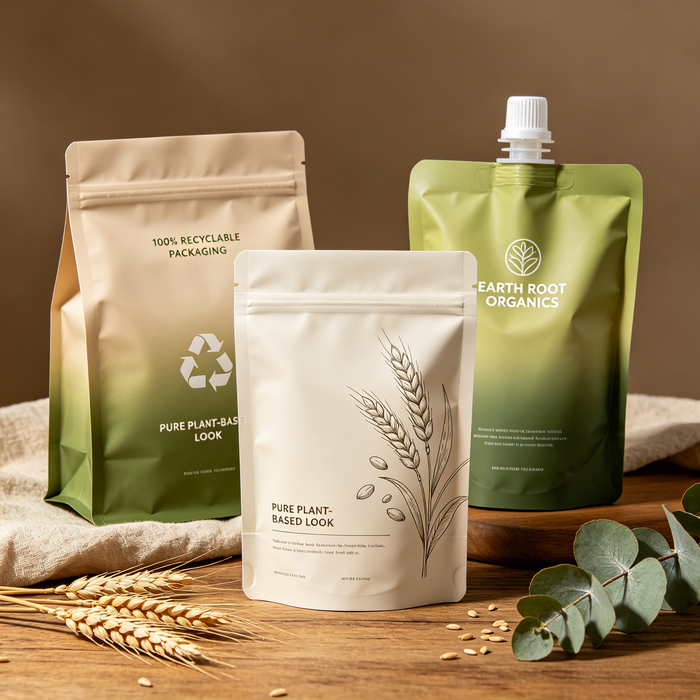
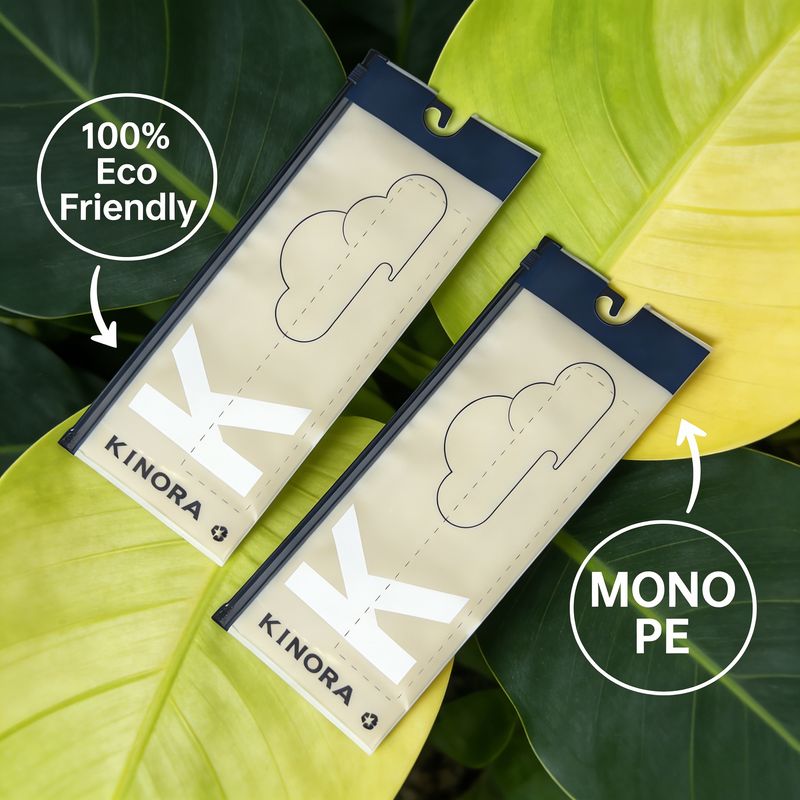
We support full customization in size, thickness, printing, zipper type, and functional features, from small startup runs to large-scale production.

High Barrier Sustainable Packaging

 What we do here is replace the aluminum layer with EVOH-based barrier systems. It’s not a downgrade, but a structural swap — so oxygen and moisture protection stays within target range, but the material becomes easier to recycle.

Lightweight recyclable packaging

By optimizing film thickness and structure layers, we reduce unnecessary material usage while maintaining sealing strength and print clarity.
PPWR packaging manufacturer
Comparing eco packaging options for your brand?
See real recyclable packaging structures, materials, and PPWR-ready solutions used by EU & US brands.
View Packaging Options

Our PPWR Compliance Journey
Compliance is not a checklist. It’s a process of eliminating risk step by step — until your packaging is ready for real EU market entry.

01 — Risk Discovery
We start by identifying compliance risks hidden in your current packaging structure. Sometimes the real issue is not the material — but how it behaves in EU regulation systems.

02 — Structure Re-Design
We rebuild packaging structures using mono-material logic and barrier optimization strategies, balancing protection and recyclability under PPWR expectations.

03 — Validation Testing
Samples are produced and tested under SGS or equivalent systems. This step confirms whether the structure actually performs under compliance pressure.

04 — Production Control
Mass production begins with strict QC checks on sealing, print stability, and material consistency. Small deviations here can become big compliance risks later.

05 — Documentation Support
Compliance files are prepared for customs clearance, buyer verification, and audit requirements. This is what keeps shipments moving without friction.

06 — Continuous Update
EU regulations evolve. We keep your packaging aligned with new PPWR updates so compliance does not become outdated after production.
eco packaging displayed
Sustainable Packaging FAQ
Quick answers to help you choose the right eco packaging and recyclable packaging solutions for EU & US markets — clear, practical, and compliance-focused.
Is your eco packaging compliant with EU PPWR requirements?
Yes — our recyclable packaging is developed based on EU PPWR 2025/40 direction, mainly using mono PE or mono PP structures with up to 95% single-material content. This helps improve recyclability and reduces compliance risks during EU customs inspections.
Will eco packaging affect barrier performance?
Not really. With EVOH barrier layers, our eco packaging can achieve WVTR around 0.8–3.5 g/m²/day, which is suitable for coffee, snacks, and pet food. It keeps a good balance between sustainability and product protection.
Is recyclable packaging more expensive than traditional packaging?
The unit cost is usually only 5%–15% higher. However, many brands find the total cost lower due to reduced shipping weight and lower PPWR compliance risk in EU markets.
Can small brands order eco packaging with low MOQ?
Yes, MOQ starts from 500–1000 pcs depending on structure. We support startups and growing brands to test the market with custom recyclable packaging before scaling up production.
What is your production lead time for eco packaging?
Samples usually take 5–7 days, and mass production takes around 15–25 days depending on structure and printing complexity. We also help plan timelines to avoid delays in your supply chain.
Do you provide PPWR compliance documents and test reports?
Yes, we provide SGS test reports including heavy metal testing (Pb, Cd, Hg, Cr VI not detected). These documents can support customs clearance, buyer audits, and PPWR-related compliance verification.
Find the Right Packaging Type
Stand Up Pouches
Spout Pouches
Zipper Stand Up Bags
Shaped Bags
Zipper Bags
Flat Bottom Bags
Lay Flat Bags
Roll Stock Packaging
Choose the Right Packaging Material
Aluminum Foil Bags
High barrier protection →
Eco Friendly Bags
Sustainable packaging →
Kraft Paper Bags
Natural & eco look →
Mylar Bags
Strong barrier performance →
Holographic Bags
Premium visual impact →
Not sure? Get professional recommendation →


Get Your Quote

You can simply send us your requirements through the form or contact our team directly. Once we receive your request, we will review it carefully and come back with a solution that fits your product and market. Our goal is not only to give you a price, but to help you find a packaging solution that actually works in real production.

If you would like to explore more packaging options before submitting your request, you can also view our full product range here Products Overview or learn more about our customization process here Custom Packaging Service.
Ready to build your PPWR-compliant packaging?
Get a fast, practical quote based on your product, structure, and EU market requirements.
Get a Quote