
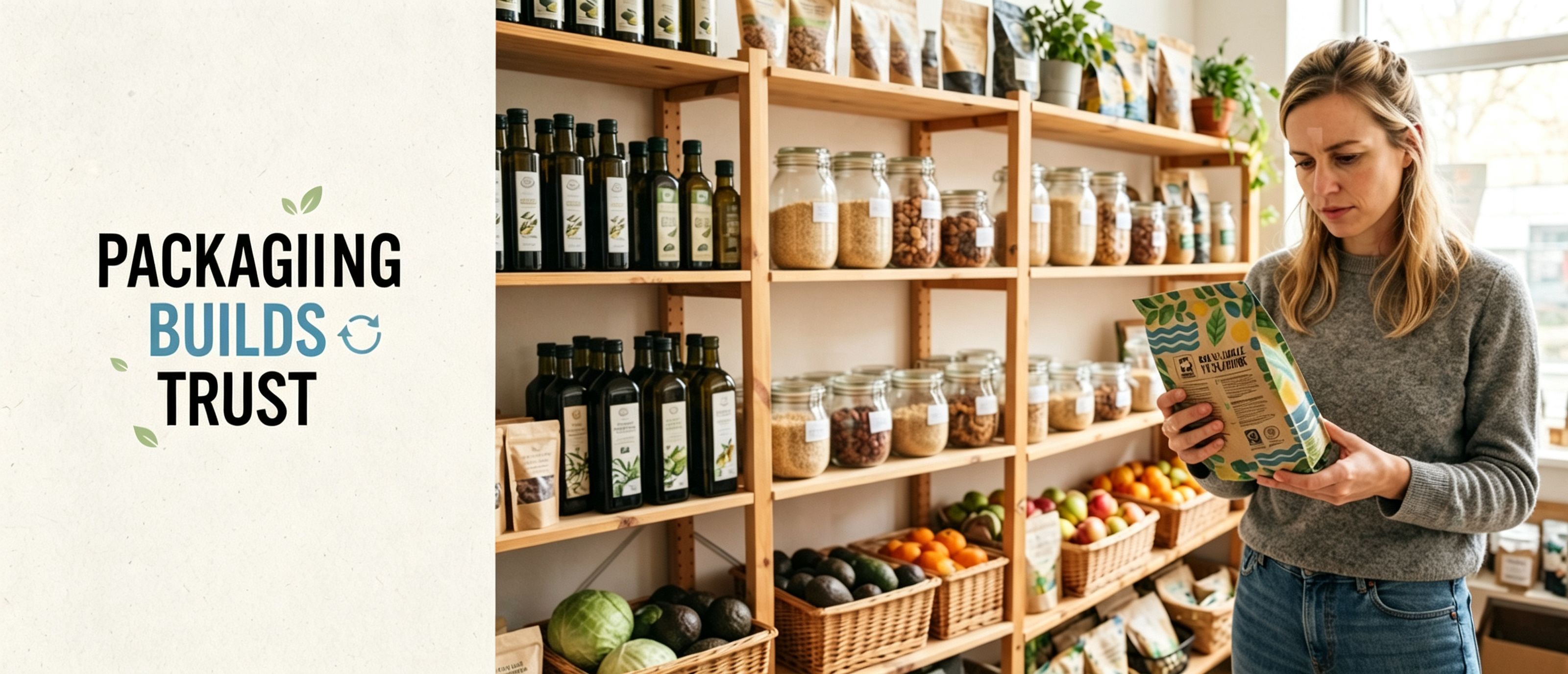
A recyclable bag that works perfectly for dry snacks may not be the best choice for oily nuts or freshly roasted coffee. Many first-time buyers focus on appearance first, but later discover problems with sealing, freshness, or material performance.
At DINGLI PACK, we help brands find the right balance between sustainability and practical packaging performance. Our team works with customers on material selection, printing, structure design, and production testing. For brands looking for customized solutions, you can learn more about our custom digital printed recyclable food packaging bags.
In this guide, we will share how experienced packaging buyers evaluate recyclable food packaging, including material choices, certifications, bag formats, and supplier capabilities.
Step-by-Step Guide: Choosing the Right Recyclable Packaging

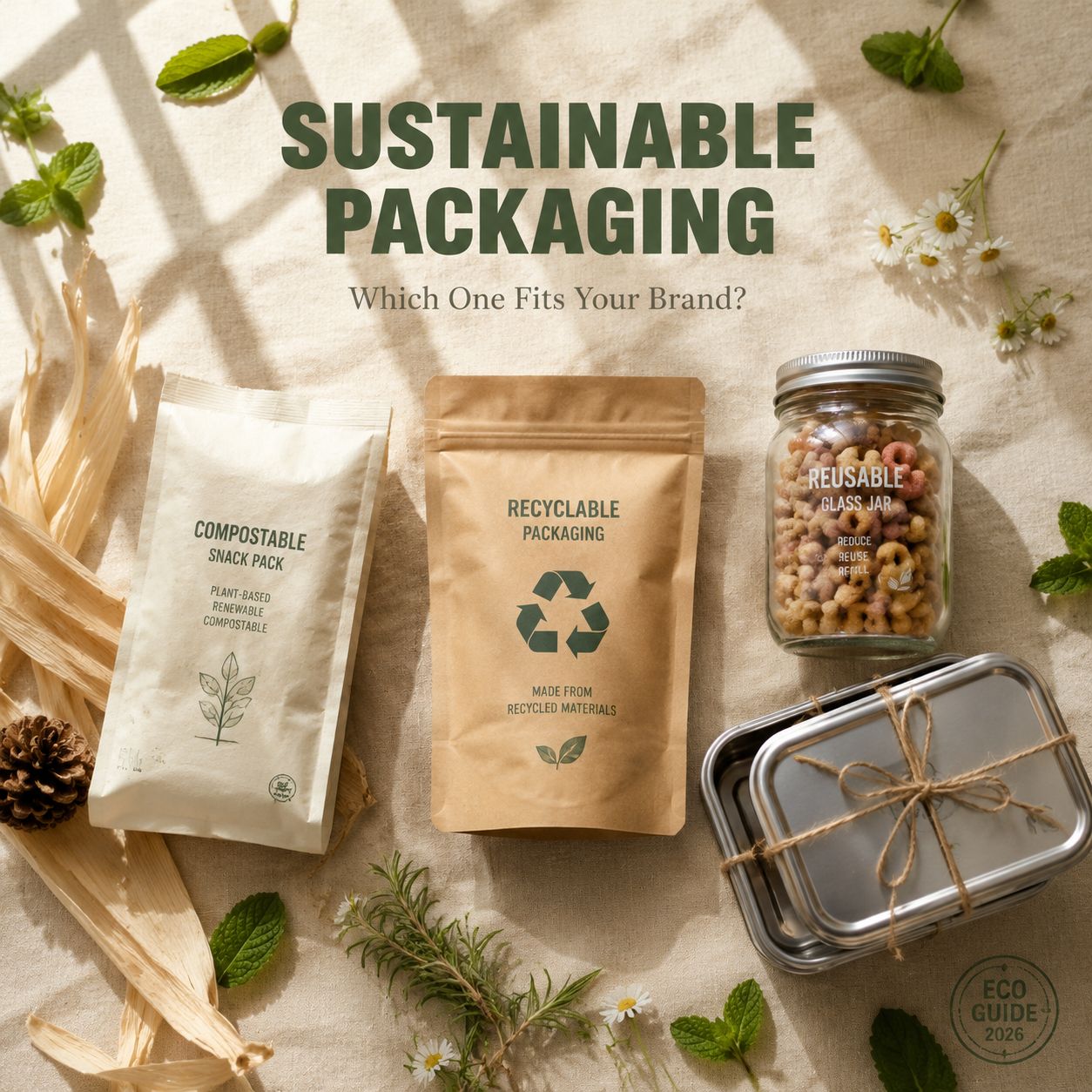
Before choosing a recyclable packaging bag, we usually suggest brands answer one simple question:
“What does my product need protection from?”
Different foods have different problems. Coffee needs protection from oxygen. Snacks need moisture control. Frozen foods need durability under low temperatures. Pet food needs strong seals and odor protection.
The packaging material should follow the product, not the other way around.
Step 1 — Know Your Food Product's Requirements First
This is the step many brands underestimate.
A beautiful packaging design can attract attention, but if the structure cannot protect the product during storage and transportation, the packaging becomes a problem instead of a solution.
When we discuss packaging with customers, we usually check several basic questions:
Does the product contain oil or fat?
Does it absorb moisture easily?
How long is the expected shelf life?
Will it go through freezing, heating, or microwave processes?
How will the product be filled and packed?
Oil Content and Grease Resistance
Products like nuts, chips, granola, and pet treats usually contain oil. These products need packaging with good grease resistance.
One common mistake we see is choosing a recyclable structure only because it looks sustainable, without checking whether it can handle the product itself.
For oily foods, the inner sealing layer and barrier performance are especially important. Otherwise, you may see issues such as weak sealing, oil migration, or reduced shelf appearance.
Moisture and Oxygen Protection
Dry foods often look simple, but they are actually sensitive products.
Coffee, protein powder, dried fruits, and snacks can lose quality when exposed to moisture or oxygen for a long time.
That is why packaging engineers usually look at two important measurements:
OTR (Oxygen Transmission Rate) — how much oxygen can pass through the packaging.
WVTR (Water Vapor Transmission Rate) — how much moisture can pass through the packaging.
The lower these values are, the stronger the barrier protection usually is. However, higher barrier does not always mean better. The right level depends on your product and target shelf life.
Recommended Recyclable Packaging by Food Category
| Food Category | Main Requirements | Common Packaging Choices |
|---|---|---|
| Snacks & Nuts | Moisture barrier, freshness, shelf appeal | Recyclable stand up pouches, window pouches |
| Coffee | Oxygen protection, aroma retention | Recyclable coffee bags, degassing valve bags |
| Frozen Food | Cold resistance, strong sealing | Mono-material recyclable frozen packaging |
| Pet Food | Strength, odor control, large capacity | Eight-side seal bags, recyclable pet food bags |
| Powder Products | Moisture protection, easy opening | High barrier recyclable pouches |
For coffee brands, packaging selection is even more specific. Freshly roasted coffee releases gas after roasting, so many roasters need packaging with special structures and valves. We provide options such as custom PLA-lined compostable coffee bags for roasters for brands exploring more sustainable coffee packaging solutions.
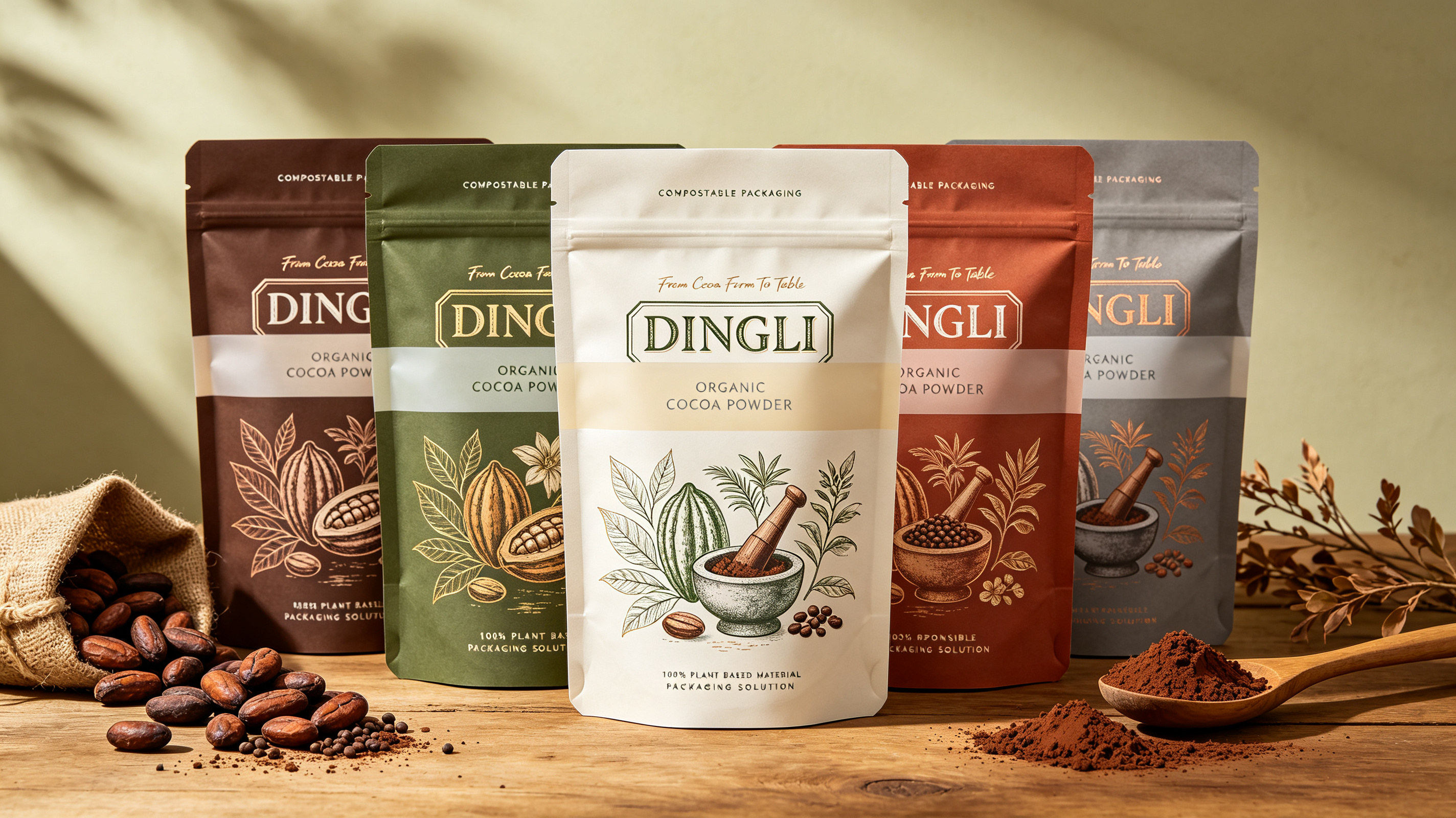
Step 2 — Pick the Right Material Structure
After understanding your product requirements, the next step is choosing the right material structure. This is where many brands need technical support because recyclable packaging is not a single type of material.
When customers first contact us, they often say: “We need recyclable bags.” But the next question is always: recyclable for which product, and for which market?
A packaging structure that works well for cookies may not work for coffee. A bag suitable for dry pet food may not be enough for products requiring strong oxygen protection.
Here are some common recyclable packaging structures we discuss with brands.
Mono-PE Recyclable Packaging
Mono-PE (polyethylene) packaging has become one of the most popular recyclable flexible packaging options in recent years.
The main idea behind mono-material packaging is simple: using mainly one type of plastic material makes it easier for recycling systems to process compared with traditional multi-layer structures.
Mono-PE packaging is commonly used for:
- Snacks
- Dry foods
- Pet food
- Powder products
- Retail pouches
The advantages are clear:
Good flexibility and sealing performance
Lightweight compared with some traditional structures
Compatible with many existing packaging formats
Suitable for brands moving toward recyclable solutions
However, we also tell customers about the limitations. Mono-PE is not always the perfect answer for every product. If your food requires extremely high barrier protection, such as long shelf-life products with strict oxygen requirements, additional technical solutions may be needed.
A good supplier should explain both the advantages and limitations instead of simply saying “this material works for everything.”
For brands looking for flexible film solutions for automatic packaging lines, DINGLI PACK also provides custom mono PE recyclable rollstock film options.
Mono-PP Recyclable Packaging
Mono-PP (polypropylene) is another recyclable material option that some food brands consider, especially when they need higher temperature resistance or specific stiffness.
Typical applications include:
- Snack packaging
- Processed food packaging
- Heat-resistant applications
Compared with PE, PP usually offers a different balance of stiffness, transparency, and heat performance.
But again, there is no universal “best” material. The right choice depends on your filling process, storage conditions, recycling goals, and local market requirements.
Paper-Based Recyclable Packaging
Paper-based packaging has become very popular among natural food brands because consumers often connect paper appearance with sustainability.
It works especially well for brands that want a more natural shelf appearance, such as:
- Organic food brands
- Premium coffee brands
- Natural snack companies
However, one thing buyers should know is that not every paper-looking package is automatically recyclable. Some paper bags contain complex layers or coatings that affect recycling.
Before making a decision, always ask your supplier:
- What materials are included?
- Is the structure recyclable in my target market?
- Can you provide technical documents?
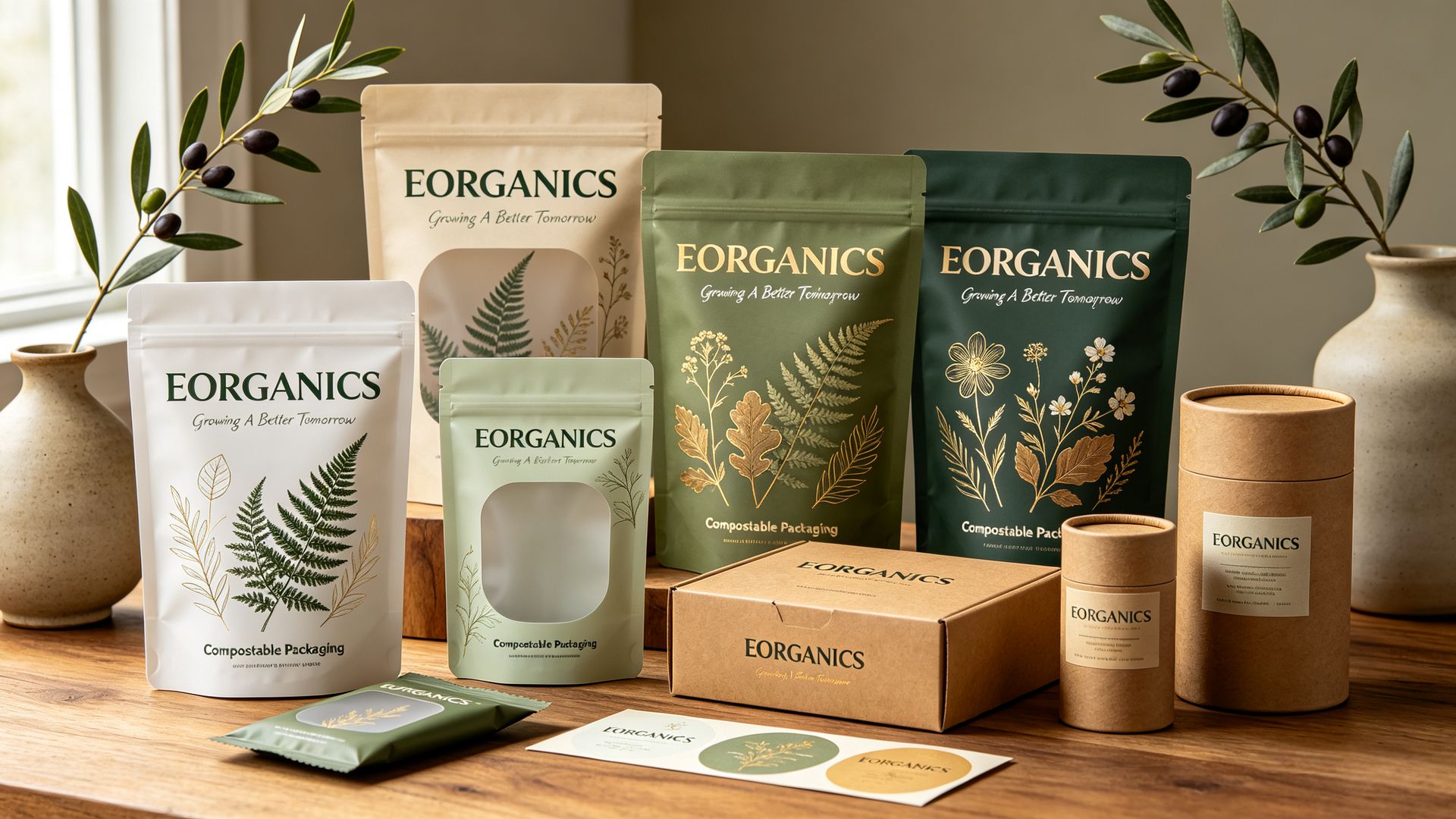
Step 3 — Verify Recyclability Certifications & Standards
Sustainability claims are becoming more important, but they also need to be more transparent.
We have seen more brands asking for recyclable packaging in recent years, especially companies selling in Europe and North America. Retailers and consumers are paying closer attention to what happens after the package is used.
A reliable packaging supplier should not only tell you “this material is recyclable.” They should be able to explain why and provide supporting documents.
How2Recycle Labeling System
For brands selling in North America, the How2Recycle program provides standardized recycling labels to help consumers understand how packaging should be disposed of.
The program is widely recognized by many brands and retailers because it focuses on clear recycling instructions rather than general environmental claims.
EU Food Contact Compliance
For European food brands, recyclable packaging still needs to meet food safety requirements.
Plastic materials that contact food must comply with relevant regulations, including EU Regulation 10/2011 on plastic food contact materials.
This is an area where experienced suppliers can save brands a lot of time. Packaging is not only about printing a nice design. The material needs to be safe, stable, and suitable for the intended application.
FSC Certification for Paper Components
For paper-based packaging, some brands also look for responsible sourcing certifications.
The Forest Stewardship Council (FSC) certification system focuses on responsible forest management and helps companies verify the origin of paper materials.
Ask for Real Testing, Not Just Marketing Words
One piece of advice we often give customers is simple:
Do not choose packaging based only on a sustainability slogan.
Before placing a large order, ask your supplier for:
- Material specifications
- Food contact compliance documents
- Barrier testing information
- Recycling certification where available
- Production samples
A professional packaging manufacturer should be comfortable discussing technical details with you. If a supplier avoids questions about structure, testing, or limitations, that is usually a warning sign.
A Practical Tip from Our Factory Experience
Many startups and growing food brands want to make the packaging decision quickly. We understand that. Launching a new product involves many deadlines.
But spending a little more time choosing the right packaging structure in the beginning can prevent much bigger problems later — such as leaking bags, shortened shelf life, or packaging that does not match your sustainability claims.
The best recyclable packaging is not always the most expensive option. It is the one that fits your product, your market, and your production reality.
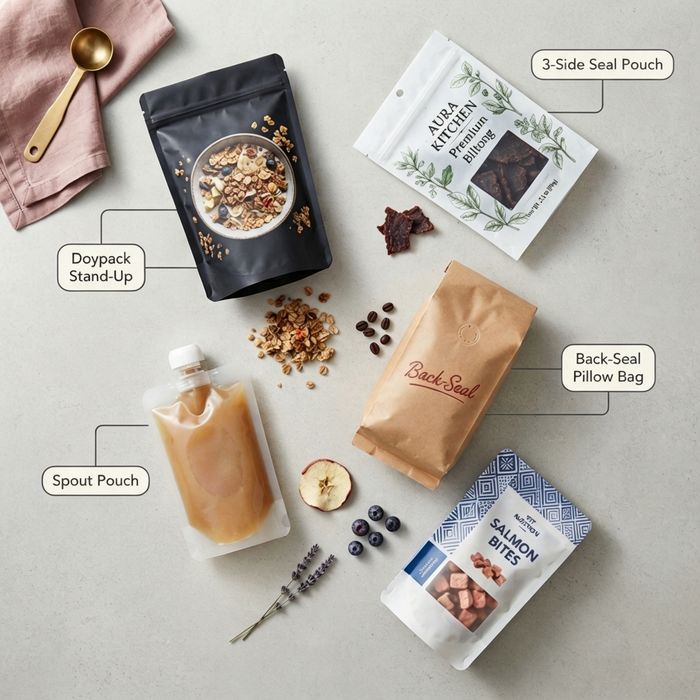
Step 4 — Match the Bag Format to Your Production Line
After choosing the material, the next thing many brands overlook is the bag format. A packaging bag may look perfect in a product photo, but if it does not work well with your filling equipment, it can create problems during production.
Over the years, we have helped many brands solve this issue. Some customers come to us with a design they like, but after checking their production process, we find that another bag style would be more practical.
Packaging should fit your operation, not only your marketing idea.
Common Recyclable Food Packaging Formats
| Bag Format | Common Applications | Things to Consider |
|---|---|---|
| Stand Up Pouch | Snacks, coffee, supplements, pet food | Good shelf display, easy storage, flexible design options |
| Side Gusset Bag | Coffee beans, powder products | Suitable for larger volume products |
| Eight-Side Seal Bag | Premium coffee and pet food | Strong structure and high-end appearance |
| Spout Pouch | Liquid food, sauces, beverages | Requires accurate filling and sealing process |
| Three-Side Seal Pouch | Samples, smaller products | Simple structure and cost-effective |
For brands selling premium coffee or powder products, packaging appearance matters because customers often judge quality before they even open the bag. Solutions like custom eco-friendly eight-side seal coffee bags can help brands achieve a more premium shelf presence while keeping sustainability goals in mind.
Check Your Filling Equipment Before Ordering
Before mass production, always confirm:
Filling machine compatibility
Required sealing temperature
Production speed
Zipper or valve requirements
Bag opening performance
For new brands, we usually recommend making samples and running a small trial first. It is much easier to adjust a sample order than to fix thousands of finished bags after production.
Step 5 — Evaluate Barrier Performance and Shelf Life
Recyclability is important, but it should never come at the cost of product protection.
A packaging bag has one basic job: keeping your product in good condition until it reaches your customer.
When evaluating recyclable packaging, brands should look at barrier performance data instead of judging only by appearance.
Important Barrier Measurements
| Measurement | What It Means | Why It Matters |
|---|---|---|
| OTR (Oxygen Transmission Rate) | Amount of oxygen passing through packaging | Important for coffee, snacks, and oxygen-sensitive foods |
| WVTR (Water Vapor Transmission Rate) | Amount of moisture passing through packaging | Important for dry foods and powders |
| Seal Strength | Durability of sealed areas | Prevents leakage during transportation |
Some customers ask us: “Can recyclable packaging perform like traditional laminated bags?”
The honest answer is: it depends on the structure.
Traditional multi-layer materials still have advantages in some extreme barrier applications. Recyclable packaging technology has improved a lot, but there are still cases where a brand needs to balance sustainability, shelf life, and cost.
That is why professional packaging suppliers usually recommend testing instead of making promises too early.
Always Consider Real Shelf-Life Testing
Laboratory data is important, but real product testing matters too.
Many brands perform:
- Accelerated aging tests
- Transportation tests
- Seal performance tests
- Storage condition tests
These tests help confirm whether the packaging actually matches the product’s expected shelf life.
Step 6 — Evaluate Your Supplier's Technical Capability
Choosing a recyclable packaging supplier is not only about finding a factory with a good price.
A good supplier should understand your product, ask the right questions, and help you avoid expensive mistakes.
Before working with a packaging manufacturer, we suggest checking several points.
1. Real Manufacturing Experience
Ask whether the supplier has actual experience producing recyclable packaging for food brands.
A company that only sells standard bags may not have enough experience handling custom structures, material selection, and production adjustments.
2. Technical Support During Development
Packaging development is usually a process, especially for brands launching new products.
You may need help with:
Choosing material structures
Reducing unnecessary layers
Improving packaging efficiency
Selecting the right printing method
3. Sustainable Packaging Knowledge
A capable supplier should understand more than just printing and bag making.
They should know about:
- Recyclable material options
- Eco-design principles
- Market requirements in different regions
- Food contact regulations
Why Choose DINGLI PACK for Custom Recyclable Food Packaging?
At DINGLI PACK, we work with food brands that need more than a packaging supplier. They need a partner who can understand their product and help solve practical problems.
Our experience covers custom pouch design, recyclable materials, digital printing, and flexible packaging production for different industries.
We support brands from the early stage:
- Material selection
- Bag structure recommendations
- Artwork preparation
- Sample testing
- Mass production
For retail brands looking for flexible packaging with strong shelf presentation, our recyclable stand up pouches custom with hang hole provide another option for products that need both visibility and convenience.
As a direct packaging manufacturer, DINGLI PACK focuses on helping brands create packaging that works in real markets, not only looks good in a catalog.
You can learn more about our factory capabilities and packaging solutions through our DINGLI PACK official website.
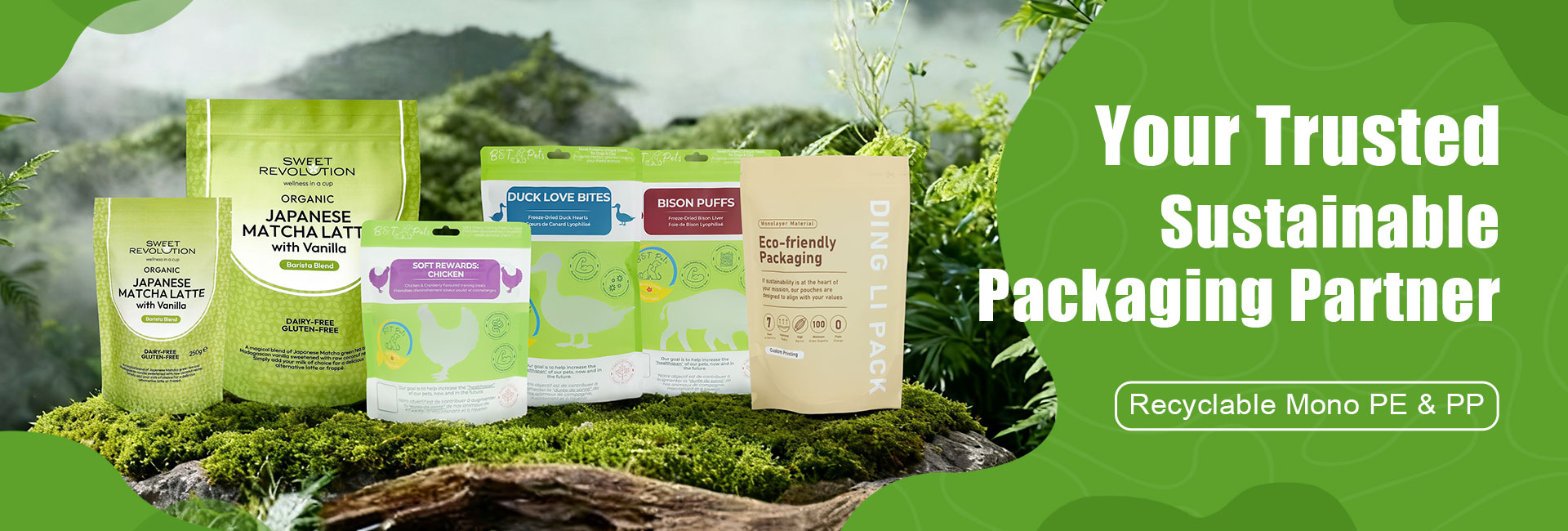
ONE-STOP PACKAGING SOLUTION - From Concept to Shelf in 7 Days
At DINGLI PACK, we know how stressful packaging can be for small brands, store owners, and startups. That’s why we focus on making it simple, reliable, and tailored to your needs. From stand up pouches, coffee bags with valves, flat bottom bags, spout pouches, shrink sleeves...
Our team provides hands-on support—from free package design and material advice to practical OEM guidance—making sure your product looks great and stays protected. Want to see us in action? Check our Video Center.
With a 5,000 m² workshop and 24/7 support, we deliver fast replies, consistent quality, and peace of mind. Stay updated with our tips and stories in the News Section, or explore all our solutions on the Products Page.
We’re more than a supplier—we’re a partner who understands the challenges of growing a brand and is ready to make your packaging shine.
Address
Block B-29,
VanYang Crowd Innovation Park ,
No 1 ShuangYang Road,
YangQiao Town, BoLuo District,
HuiZhou City, 516157, China
Phone
Support: +86 13410678885
Hours
Monday-Friday: 9am to 6pm
Saturday, Sunday: Closed


Post time: Aug-10-2026