
Have you ever spent weeks creating a packaging design, only to find out the final printed bag does not look the same as the artwork on your screen? Or maybe you want to launch several product flavors but do not want to order thousands of bags for each design?
These are questions we hear often from brand owners, especially those launching new products or testing new markets. After working with global customers for many years, we know that packaging is not just about putting a logo on a bag. The printing method, material structure, artwork preparation, and production experience all affect the final result.
For brands looking for flexible solutions, custom recyclable printed spout pouches are one example of how digital printing can help companies create professional packaging with more design flexibility.
In this guide, we will share how digital printed packaging is made, why more brands are choosing this technology, where it works well, and some practical things you should know before placing an order with a packaging factory.
What Is Custom Digital Printed Packaging?

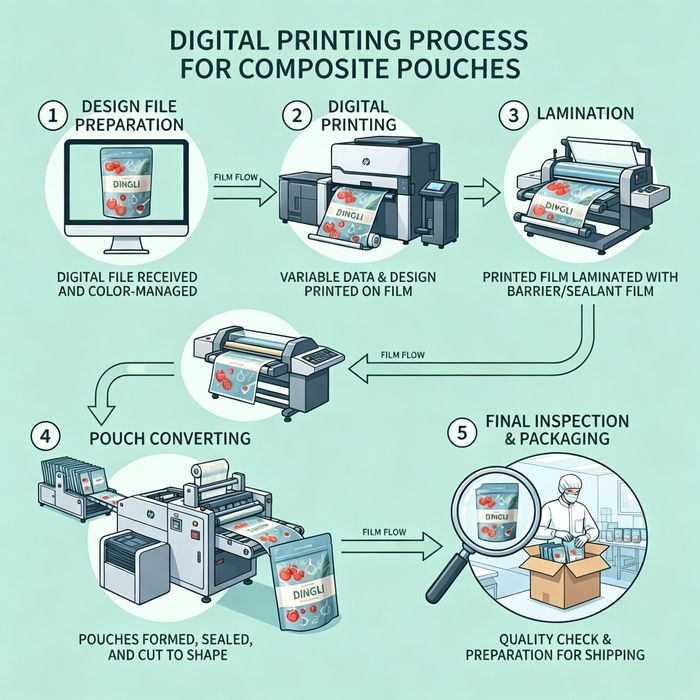
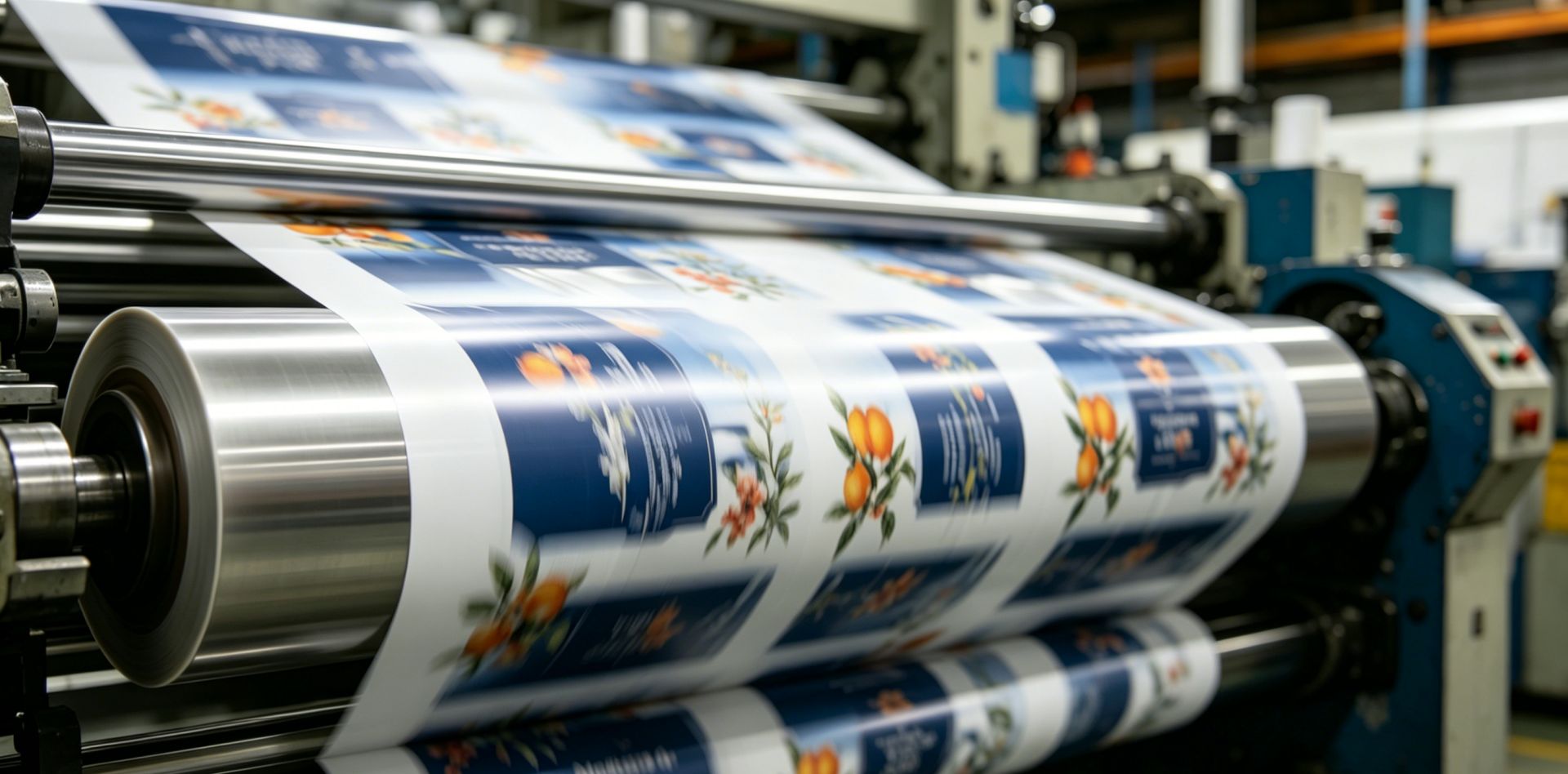
Simply put, digital printed packaging means printing your artwork directly onto packaging film through a digital printing system, without making traditional printing plates.
The process is similar to digital printing used for commercial graphics. Your artwork file is processed through RIP software, converted into printing data, and then transferred onto the packaging material through precise ink application. Most digital packaging printing uses CMYK colors — cyan, magenta, yellow, and black — to create different shades and images.
Compared with traditional gravure printing, digital printing removes the need for cylinder production. This is the main reason it has become popular among startups, private label brands, and companies that need multiple designs with lower order quantities.
However, from our factory experience, digital printing is not a perfect replacement for every printing method. It has its own strengths and limitations. For example, it is excellent for flexible designs, multiple SKUs, and shorter production runs. But if a brand needs millions of identical bags with the same artwork, traditional gravure printing may still offer better cost efficiency.
How Does Digital Printing Work on Packaging?
Many customers think digital printing is just like printing a picture from a home printer, but packaging production is much more complicated.
First, the design file needs to be checked carefully. The factory needs to confirm the color mode, resolution, text size, barcode position, and printing area. A design that looks perfect on a computer screen may need adjustments before it can be printed on real packaging film.
During printing, millions of small ink dots are combined to create the final image. Because the image is created through tiny dots rather than a completely solid ink layer, digital printing has some natural characteristics.
When viewed closely, you may notice slight dot patterns or softer edges, especially around small text, gradients, and very light colors. This is normal for digital printing technology. At normal shelf distance, the packaging still looks clean and professional, but customers should understand that digital printing has a different appearance compared with traditional offset or gravure methods.
This is why we always recommend making samples before mass production, especially for brands with strict color expectations. A physical sample tells you much more than a computer preview.
Why Are Brands Choosing Digital Printed Packaging?
Lower Setup Costs and Lower MOQ
One of the biggest advantages of digital printing is the lower setup cost.
Traditional printing requires a separate plate or cylinder for each design. For brands with many flavors, sizes, or seasonal products, these setup costs can quickly add up.
Digital printing allows different designs to be produced with much less preparation work. This makes it a practical choice for:
• New brands testing the market
• Amazon and DTC sellers launching new products
• Companies with multiple SKUs
• Seasonal and limited-edition packaging
• Brands that need smaller production runs
For example, a coffee company may have five different flavors and want to test customer response before committing to a large order. Instead of producing a huge quantity of one design, digital printing gives them more flexibility.
Faster Product Launch Time
Packaging delays can affect product launches. We have seen customers prepare everything for a new product release, only to lose valuable time because the packaging process was not planned correctly.
Because digital printing does not require plate production, the preparation stage is usually faster. Artwork updates are also easier, which helps brands react quickly when they need to change a design, launch a promotion, or create seasonal packaging.
For companies working in fast-moving markets, this flexibility can be a real advantage.
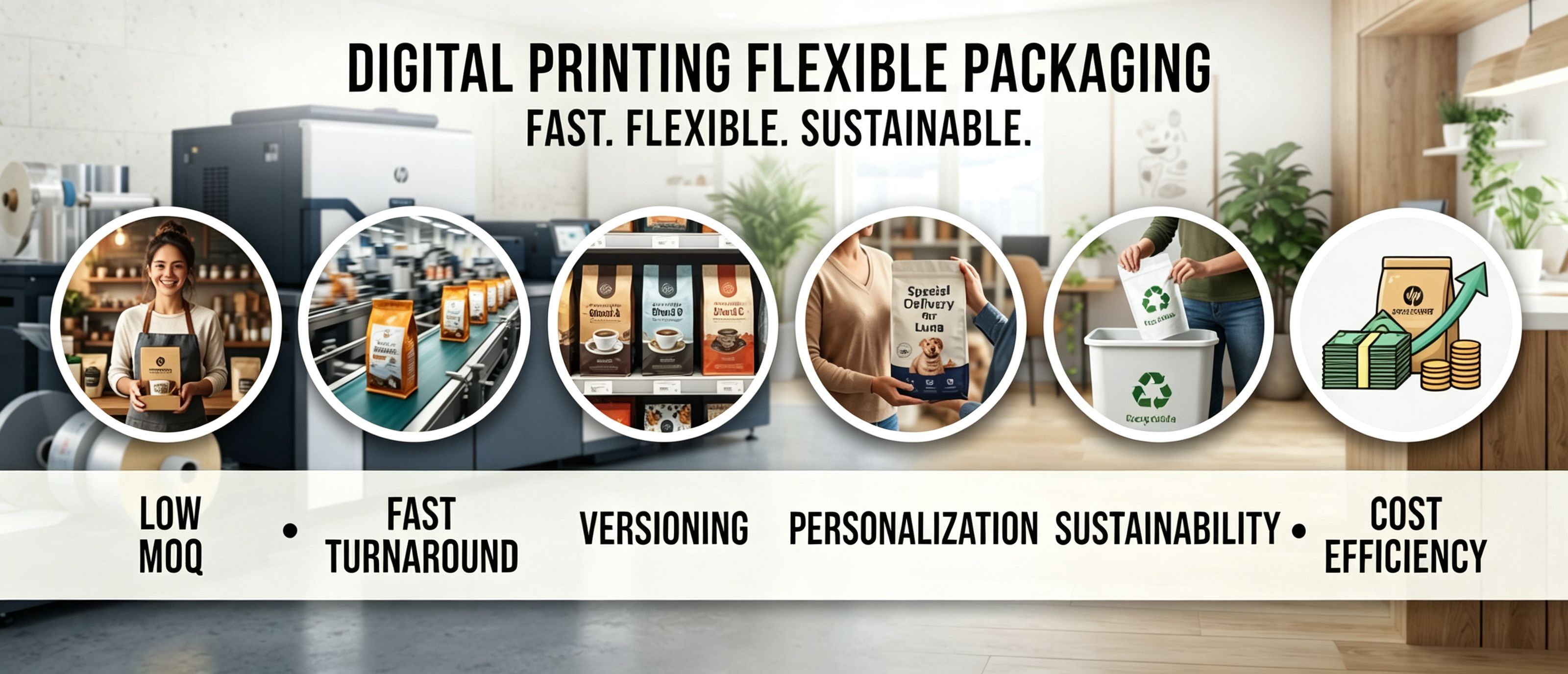
Multi-SKU Printing for Different Product Designs
One situation where digital printing performs especially well is multi-SKU production.
Many growing brands do not sell only one product. They may have different flavors, sizes, ingredients, or customer groups. Producing each design separately with traditional methods can increase cost and inventory pressure.
With digital printing, brands can combine different artwork designs under the same material structure. This helps reduce unnecessary stock and makes it easier to manage product variations.
At DINGLI PACK, we often work with brands that are still developing their product lines. Before production, our team can help review packaging structure, artwork files, and printing options through our custom packaging service to make sure the final product is realistic for manufacturing.
More Freedom for Brand Design
Packaging is often the first thing customers notice on a shelf or online product page. A good design can help a smaller brand compete with larger companies.
Digital printing gives brands more freedom to create:
• Detailed illustrations
• Different designs for each flavor
• Limited edition packaging
• Seasonal collections
• Personalized product lines
We also provide artwork checking before production. This is a small step, but it helps avoid common problems such as incorrect colors, missing bleed areas, or designs that do not work well with the chosen packaging material.
Typical Applications of Digital Printed Packaging
Digital printing is widely used across food, beverage, wellness, beauty, and pet product industries. The common point is that these brands usually care about appearance, flexibility, and the ability to test new products without excessive inventory.
Coffee and Specialty Beverage Brands
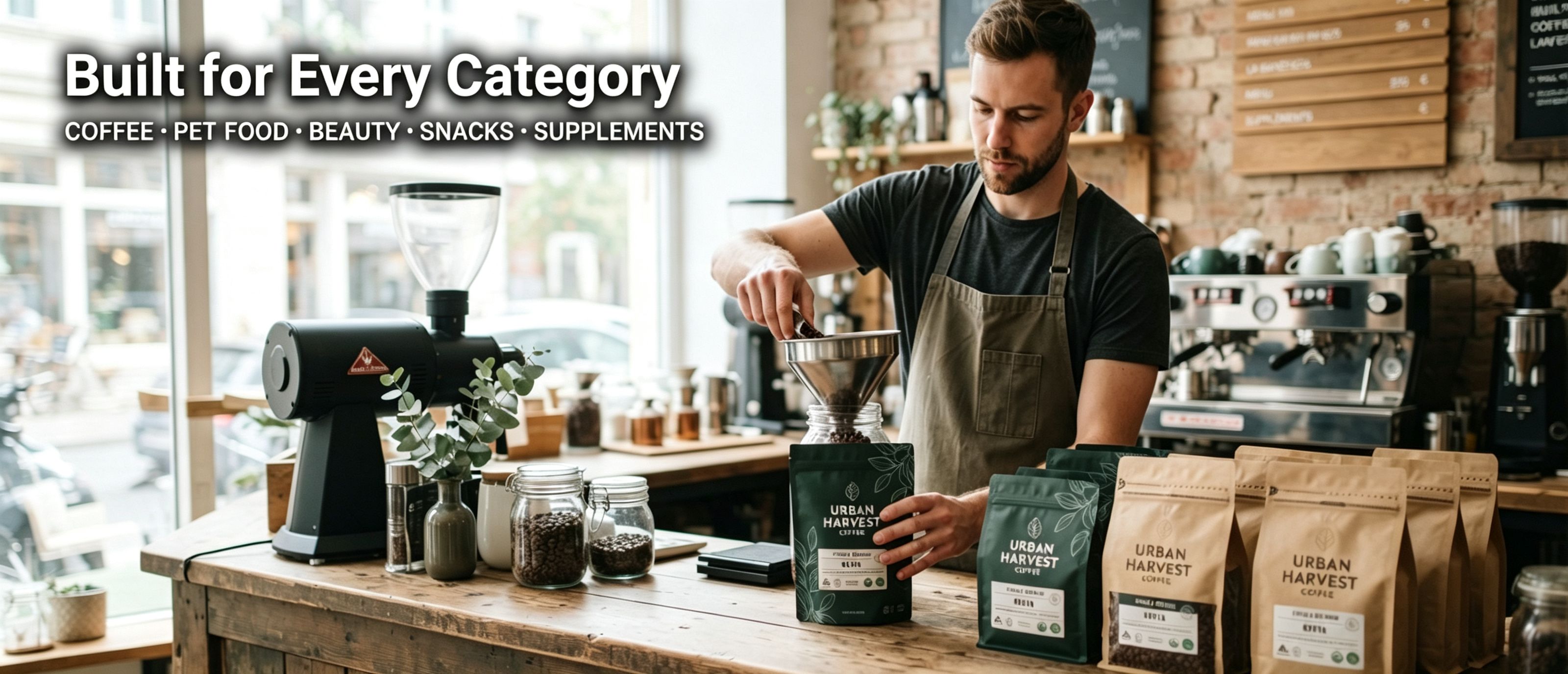
Coffee is one of the best examples of where digital printing works well. Many specialty coffee companies release different beans, origins, and seasonal products. Each product may need a different design, but the order quantity for each SKU may not be very large.
Digital printing allows these brands to create different packaging designs while keeping production more manageable. Features such as zipper closures and one-way degassing valves can also be added depending on the product requirements.
Beauty and Personal Care Packaging
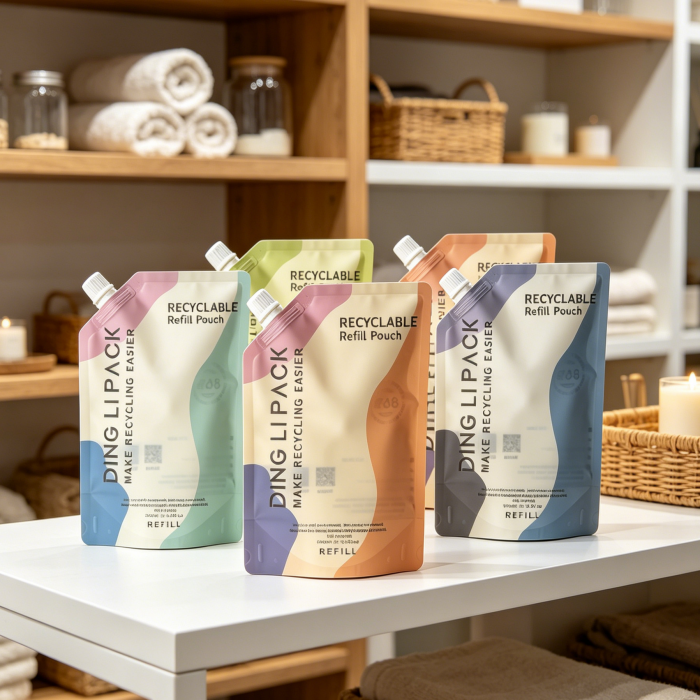
Beauty brands often update packaging for seasonal campaigns, gift sets, or new collections. In these situations, speed and design flexibility are important.
Digital printing works well when brands need customized packaging without committing to extremely large quantities.
Supplements and Wellness Products
Supplement brands usually need packaging that protects the product while creating a trustworthy appearance.
From protein powder bags to wellness product pouches, digital printing allows brands to combine functional packaging with strong visual branding. For products requiring extra safety features, options such as recyclable child resistant mylar bags can provide additional protection and compliance support.
Things Brands Should Know Before Choosing Digital Printing
Digital printing has solved many problems for modern brands, especially when it comes to flexibility and smaller order quantities. But after years of working with customers from different markets, we always tell buyers one thing: the right printing method depends on your product, design, and business stage.
Some designs that look beautiful on a computer screen may not produce the same result after printing. Understanding these details before production can save time, reduce unnecessary sample revisions, and help you get a packaging result closer to your expectation.
White Areas Are Not Printed With White Ink
This is one of the most common misunderstandings we see from first-time packaging buyers.
Standard CMYK digital printing uses four colors: cyan, magenta, yellow, and black. It does not automatically include white ink. Therefore, the white areas in your design usually show the color of the packaging material underneath.
For example, if you choose a white PE film or white PET structure, the white part of your artwork will look clean and bright because it comes from the white base material. But if you print the same design on natural kraft paper, those white areas may appear as the brown color of the paper instead.
This is not a printing mistake. It is simply how the material and ink interact.
If your design depends heavily on white graphics, we normally recommend choosing a white substrate or discussing alternative printing solutions before production.
Printing White Designs on Kraft Paper Requires Careful Planning
Many brands love kraft paper packaging because it gives a natural, handmade, and eco-friendly feeling. However, kraft paper also creates some limitations for digital printing.
Because the kraft paper background is brown, transparent CMYK inks will mix visually with the paper color. Light colors such as pastel pink, soft blue, mint green, or pale yellow may not appear exactly as expected.
For example, a light blue printed on brown kraft paper may look slightly greenish. A pale yellow may become closer to a warm earthy tone.
For brands that want both a kraft paper appearance and stable colors, a common solution is using a white base film and adding a kraft texture background through printing. This gives you the natural look while keeping better control over color consistency.
Light Colors and Pastel Designs Need Extra Attention
Bright and dark colors usually perform well in digital printing because they contain stronger color density. Black, dark green, navy blue, and deep brown normally create good contrast and stable results.
Pastel colors are more sensitive. Because lighter shades use less ink coverage, small differences in material, printing conditions, and viewing environment can become more noticeable.
If your brand identity relies on soft colors, we recommend testing samples before bulk production. This is especially important for beauty, skincare, and premium lifestyle products where color accuracy affects brand perception.
Small Text, Shadows, and Gradients Can Show Printing Details
Digital printing creates images through tiny ink dots. Under normal viewing distance, this looks smooth. However, very small text, thin lines, and complicated shadow effects may show more printing characteristics when viewed closely.
For important information such as brand names, ingredients, barcodes, and legal labels, we usually recommend keeping the text size practical. Extremely thin fonts or very small details may lose clarity after printing.
Our suggestion is simple: do not design packaging only for a computer screen. Think about how customers will see it in real life — in their hands, on a shelf, or in an online product photo.
Vector Artwork Gives Better Printing Results
For packaging production, vector files are always preferred.
Files such as AI, EPS, and vector PDF formats allow logos, text, and graphic elements to stay sharp even when resized. Pixel-based files like JPEG or low-resolution images may become blurry or show jagged edges after enlargement.
If your design includes product photos or realistic images, we recommend using high-resolution files, ideally 300 DPI at the final printing size.
A good artwork file is not only about visual beauty. It also helps the factory produce your packaging more accurately and avoid unnecessary delays.
How DINGLI PACK Helps Brands Prepare for Digital Printing
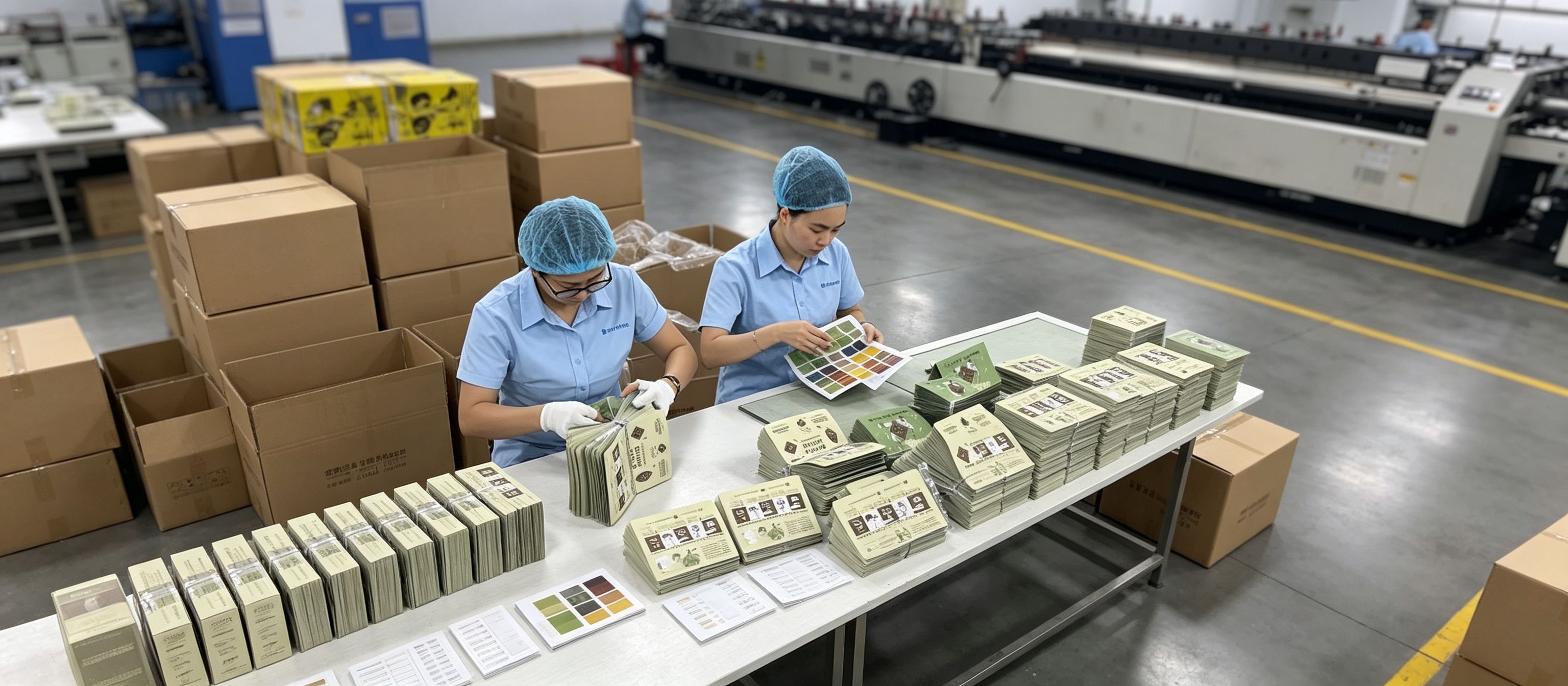
Many customers come to us with finished designs and expect the factory to print immediately. In reality, a little preparation before printing can prevent many production issues.
Before making samples, our team reviews the artwork and checks important details such as:
• Color mode and printing compatibility
• Bleed area and cutting position
• Font conversion and text clarity
• Barcode placement
• Material and color matching
• Special printing requirements
This service is not about changing your creative idea. Our goal is to make sure your design works well in actual manufacturing.
For brands focusing on environmentally responsible packaging, we also provide solutions such as PPWR packaging solutions to help companies understand recyclable packaging options and prepare for changing European packaging requirements.
Digital Printing vs Gravure Printing: Which One Should You Choose?
This is one of the most common questions we receive from customers.
The answer depends on your order quantity, product plan, and how often you change designs.
| Comparison | Digital Printing | Gravure Printing |
|---|---|---|
| Setup cost | Lower, no printing plate required | Higher due to cylinder cost |
| MOQ | Better for smaller quantities | Better for large-volume orders |
| Design changes | Easy and flexible | More expensive when changing designs |
| Best for | Startups, multiple SKUs, testing | Stable high-volume production |
If you are launching a new product, testing different packaging designs, or managing many SKUs, digital printing is often the more practical option.
If you already have a successful product selling millions of units with the same packaging design, gravure printing may provide better long-term cost advantages.
How to Choose the Right Digital Printed Packaging Manufacturer?
Choosing a packaging supplier is not only about finding the lowest price. In our experience, many problems happen because brands select a supplier based only on quotation numbers and do not consider production experience, communication, and quality control.
A good packaging partner should understand both sides: your brand goals and the reality of manufacturing. A beautiful design is important, but it also needs to be produced consistently, shipped safely, and perform well after customers start using the product.
Before working with a digital printing packaging manufacturer, we recommend checking several key points.
1. Experience With Different Packaging Structures
Not every packaging factory has the same experience. Some suppliers are good at simple bags, while others can handle more complex structures, different barrier requirements, and special accessories.
For example, coffee packaging may require a one-way valve, liquid products may need a spout and stronger sealing performance, and supplement packaging may need better moisture protection.
A manufacturer that understands materials can help you avoid choosing a packaging structure that looks good but does not work well for your product.
2. Clear Communication During Artwork and Sampling
Packaging production involves many small details. A simple misunderstanding about size, color, material, or finishing can affect the final result.
A reliable supplier should ask the right questions before production instead of simply accepting every file and starting immediately.
At DINGLI PACK, we spend time checking artwork, confirming specifications, and discussing practical solutions with customers. This may take a little extra time at the beginning, but it usually saves much more time later.
3. Strong Quality Control Process
Packaging is directly connected to your product reputation. A printing problem, sealing issue, or material mistake can create customer complaints and unnecessary costs.
Professional factories normally check:
• Printing color consistency
• Film quality and thickness
• Bag dimensions
• Sealing strength
• Zipper or accessory performance
• Final appearance before shipment
A good supplier should not only produce packaging but also help you reduce risks before your products reach the market.
Final Thoughts
Digital printed packaging has changed the way many brands approach product launches. It gives companies more flexibility, especially when they need multiple designs, lower order quantities, and faster market testing.
But good packaging is not created by printing alone. The material, artwork, manufacturing process, and supplier experience all matter.
A reliable packaging partner will not only tell you what is possible. They will also tell you what may cause problems before production starts.
If you already have a packaging design, or even just an idea that is still being developed, our team can help you evaluate the right material, printing method, and production approach.
We can support you from the early design stage to final production, including artwork checking, sampling, and customized packaging manufacturing.
Talk with our packaging experts today and let’s turn your packaging concept into a product ready for the market.
DINGLI PACK FAQ
Digital Printed Packaging Questions Brands Ask Before Ordering
Before starting your packaging project, here are the questions we receive most often from brand owners, purchasing teams, and product managers.
ONE-STOP PACKAGING SOLUTION - From Concept to Shelf in 7 Days
At DINGLI PACK, we know how stressful packaging can be for small brands, store owners, and startups. That’s why we focus on making it simple, reliable, and tailored to your needs. From stand up pouches, coffee bags with valves, flat bottom bags, spout pouches, shrink sleeves...
Our team provides hands-on support—from free package design and material advice to practical OEM guidance—making sure your product looks great and stays protected. Want to see us in action? Check our Video Center.
With a 5,000 m² workshop and 24/7 support, we deliver fast replies, consistent quality, and peace of mind. Stay updated with our tips and stories in the News Section, or explore all our solutions on the Products Page.
We’re more than a supplier—we’re a partner who understands the challenges of growing a brand and is ready to make your packaging shine.
Explore More Packaging Solutions & Insights
Discover packaging options and expert guides to help your brand make better decisions.
Recommended Products
Sustainable pouch solutions for brands looking for lightweight and eco-conscious packaging.
Designed for brands moving toward recyclable mono-material packaging structures.
Protect coffee freshness with sustainable packaging options.
Recommended Reading
Learn how recyclable mono-material structures support future packaging goals.
A practical guide for companies preparing for European packaging regulations.
Key factors brands should check before selecting a packaging partner.
Address
Block B-29,
VanYang Crowd Innovation Park ,
No 1 ShuangYang Road,
YangQiao Town, BoLuo District,
HuiZhou City, 516157, China
Phone
Support: +86 13410678885
Hours
Monday-Friday: 9am to 6pm
Saturday, Sunday: Closed


Post time: Aug-10-2026