
What if the packaging supplier you choose today becomes the reason your products cannot enter the European market tomorrow?
This is a question more and more brand owners are asking us when we talk at trade shows or discuss new packaging projects. A few years ago, most buyers focused on price, printing quality, and delivery time. Those things still matter, of course, but the conversation has changed. Now many EU brands ask a different question: "Can this packaging supplier help us stay compliant as packaging rules become stricter?"
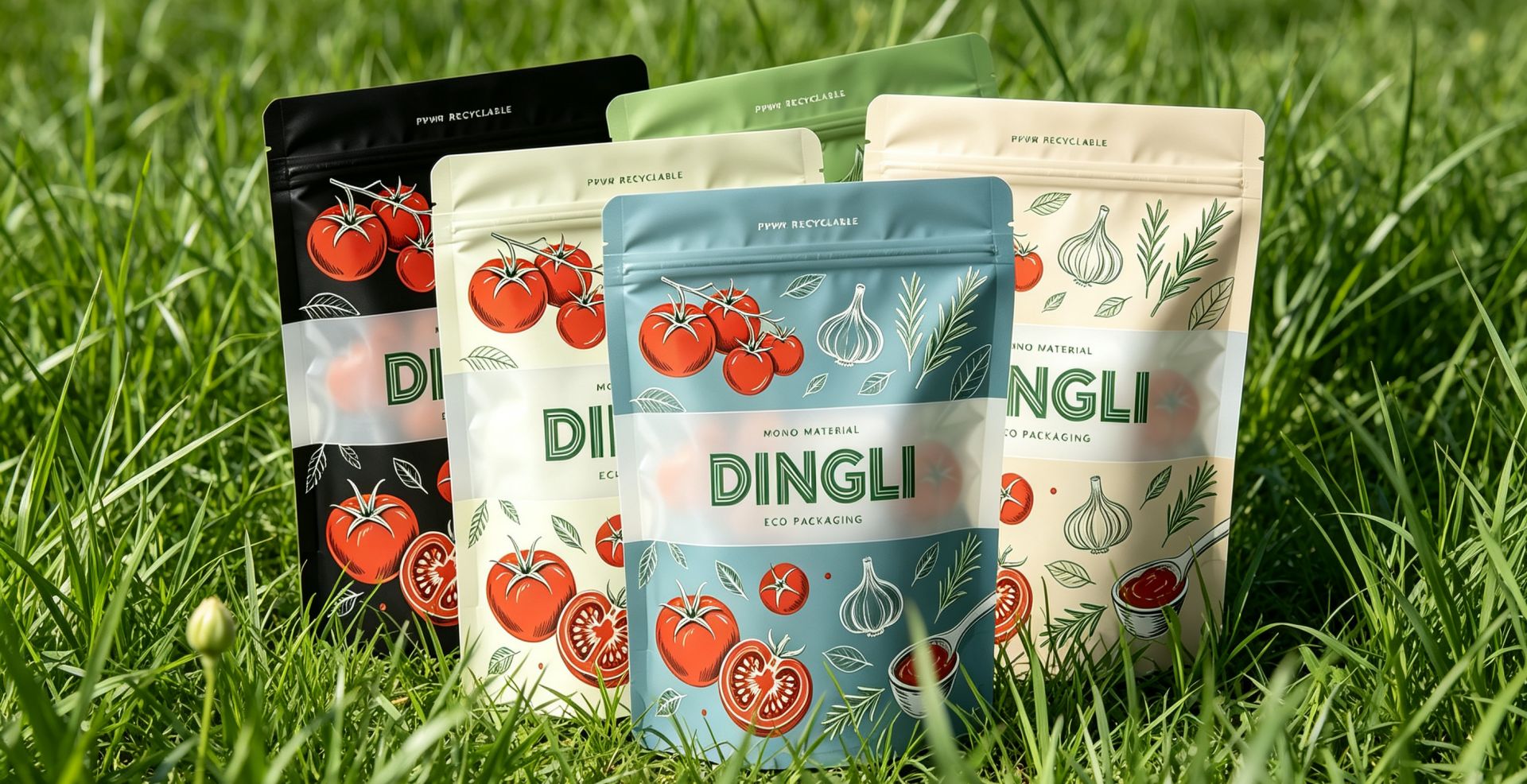
At DINGLI PACK, we work with brands that need more than just printed bags. They need a packaging partner who understands materials, production control, and the direction of European regulations. Our team helps brands develop custom sustainable stand up pouches for products that need a more future-ready packaging solution.
This guide shares the six things we believe every brand should check before choosing a PPWR-compliant packaging supplier. These are not just theory. They are the same points we discuss with customers before starting a packaging project.
Why Choosing the Right PPWR Packaging Supplier Matters

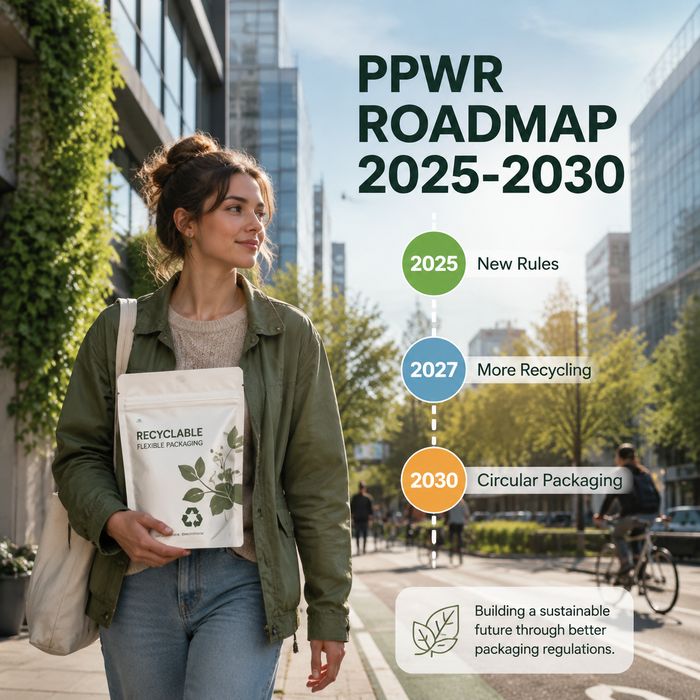
Many companies think PPWR is only a material issue. It is not. From our experience working with overseas brands, the bigger challenge is usually the supplier behind the packaging.
A supplier who only follows your artwork and produces bags may not be enough anymore. Brands need someone who can discuss material choices, recycling direction, testing documents, and possible problems before production starts.
The European Commission has been working on stricter packaging waste rules to reduce unnecessary packaging and improve recyclability. You can find more information directly from the European Commission packaging waste regulation information.
Risk 1 — Customs Problems and Market Entry Delays
One mistake we often see is that brands start checking compliance only after the packaging has already been produced. By then, changing the material structure can become expensive.
If packaging documents, material information, or testing files are incomplete, shipments may face additional checks or delays. For a small brand launching a new product, even a few weeks of delay can mean missed sales opportunities.
Risk 2 — Unexpected Compliance Costs
The cheapest packaging quote is not always the cheapest option.
We have seen customers choose suppliers based only on unit price and later spend more money fixing problems, changing materials, or replacing packaging. A few cents saved per bag can disappear quickly when thousands of printed bags cannot be used.
A good supplier helps you avoid these situations by discussing the right structure before mass production.
PPWR Is Changing Packaging — Is Your Supplier Ready?
Risk 3 — Supply Chain Disruption
Retail customers and distributors in Europe are paying closer attention to packaging information. If packaging does not match market expectations, brands may face pressure to update or replace it.
That is why choosing a packaging manufacturer is not only a purchasing decision. It is a supply chain decision.
Criterion 1 — Third-Party Material Safety Testing Capability
The first thing we recommend checking is simple: Can your packaging supplier provide real testing documents?
Many suppliers use words like “eco-friendly” or “safe materials” in marketing. But when you ask for test reports, things become unclear. For European brands, claims should always be supported by documents.
A reliable PPWR-focused packaging supplier should understand key material safety checks, including heavy metal testing and PFAS control.
Heavy Metal Testing Reports
Packaging materials should be tested for harmful substances such as:
- Lead (Pb)
- Cadmium (Cd)
- Mercury (Hg)
- Hexavalent chromium (Cr6+)
For compostable packaging projects, brands may also review standards such as EN 13432, which defines requirements for industrial compostable packaging.
PFAS Testing and Chemical Control
PFAS has become a bigger concern in packaging conversations, especially for food-related products.
A professional supplier should be able to explain how testing works instead of simply saying "our material is compliant."
Normally, the process includes:
- Total fluorine screening
- Further PFAS substance testing if needed
- Updated testing records connected with production materials
One detail many buyers miss is report timing. Testing documents should represent current materials and production conditions. An old report from several years ago may not tell you enough about today's production.
Check Laboratory Qualification
When reviewing supplier documents, always ask who completed the testing. Laboratories with ISO/IEC 17025 accreditation are widely recognized for testing competence and reliability.
At DINGLI PACK, we keep production records and material information organized because we know many customers need these files for internal approval, distributor communication, or market expansion.
Need A Packaging Partner, Not Just A Bag Supplier?
Criterion 2 — Recyclable Packaging Design Knowledge
A common misunderstanding is that sustainable packaging simply means using thinner material or adding a recycling symbol.
In reality, packaging design matters. The structure, material combination, and recycling pathway all affect whether packaging fits future requirements.
For many flexible packaging projects, brands are exploring solutions such as mono-material PE and mono-material PP structures because they can be easier to recycle compared with some traditional mixed-material laminates.
However, we also tell customers something important: mono-material packaging is not perfect for every product.
For example, products requiring extremely high oxygen or moisture barriers may need a more complex structure. The right choice depends on shelf life, filling process, transportation conditions, and recycling goals.
A good supplier should explain both advantages and limitations instead of pushing one material for every application.
DINGLI PACK provides recyclable packaging options including custom eco-friendly flat bottom bags with high barrier protection for products such as snacks, cereals, and seeds.
Criterion 3 — Digital QR Code Printing and Packaging Information Capability
Future packaging will need more transparency. Brands, retailers, and consumers want clearer information about materials, recycling instructions, and product details.
That is why packaging suppliers should have the ability to support digital printing solutions, including QR code printing and variable information management.
Depending on your product category, packaging may need:
- Batch information printing
- QR code integration
- Customized recycling instructions
- Traceable production information
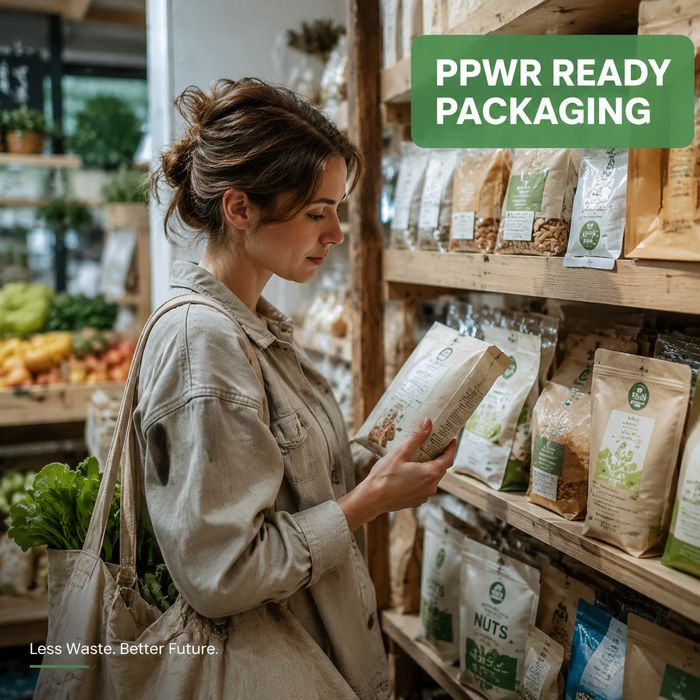
For brands selling products through retail channels, packaging is becoming part of the customer communication process, not just a protective layer.
Besides flexible pouches, DINGLI PACK also supports sustainable retail packaging projects such as custom eco-friendly kraft PDQ display boxes with bags for energy bars, powders, and tea products.
Criterion 4 — Complete Production Batch Traceability System
When brands ask us what separates a reliable packaging factory from an average supplier, we usually mention one thing: can the supplier explain what happened during production?
A professional packaging manufacturer should not only deliver finished bags. They should be able to track materials, production processes, and quality checks from the beginning to the final shipment.
This becomes especially important when brands grow. A small startup may order a few thousand bags today, but after entering supermarkets or international distribution channels, they need consistent quality across every production batch.
A reliable PPWR-ready packaging supplier should have records covering:
- Raw material supplier information
- Incoming material inspection records
- Production batch numbers
- Printing and lamination process records
- Finished product inspection reports
This is not just about passing an audit. It helps solve real problems. For example, if a customer reports a packaging issue months after delivery, a proper traceability system allows the factory to quickly check production details instead of guessing what happened.
At DINGLI PACK, we maintain production records and quality checkpoints throughout manufacturing. We understand that many overseas brands need documentation not only for compliance but also for their own customers and retail partners.
Criterion 5 — Reliable Manufacturing Capacity and Quality Control
A supplier may have attractive samples, but samples are only one small part of the story.
The real test comes when production reaches tens of thousands or hundreds of thousands of pieces. Can the supplier keep the same color, sealing strength, dimensions, and material performance?
This is where manufacturing experience matters.
Before working with a packaging factory, brands should check:
- Printing equipment and color management process
- Lamination technology and curing control
- Quality inspection procedures
- Production capacity during busy seasons
- Experience with similar product categories
We also believe a good supplier should be honest about limitations.
For example, some highly specialized barrier structures may require longer testing time. Some small-volume customized projects may not be suitable for traditional high-speed production lines. Explaining these points early helps customers avoid surprises later.
At DINGLI PACK, our production process includes raw material inspection, printing checks, lamination monitoring, pouch forming inspection, and final quality evaluation before shipment.
For products requiring additional protection, we provide packaging solutions such as ASTM certified child resistant recyclable stand up pouches designed for brands that need both safety features and sustainable packaging direction.
Criterion 6 — Long-Term Partnership Mindset Instead of One-Time Sales
A packaging supplier should not disappear after sending the invoice.
From our experience, the best customer relationships happen when both sides communicate early. Sometimes a customer comes with a design idea that looks good but is difficult to manufacture. Sometimes the material they request is not the best option for their product.
A responsible supplier should be comfortable saying:
“This structure may not be the best choice for your product. Let’s look at another option.”
That kind of conversation can save brands money and prevent packaging problems after launch.
Long-term packaging partners can support brands with:
- New packaging development
- Material upgrades
- Product line expansion
- Packaging cost optimization
- Sustainability transition planning
For example, a snack brand may start with traditional flexible packaging and later move toward recyclable structures as market demand changes. Having a supplier who already understands your products makes that transition much easier.
Why Choose DINGLI PACK as Your PPWR-Ready Packaging Partner
At DINGLI PACK, we know that European brands are looking for more than a packaging printing factory. They need confidence before placing large orders.
Our approach is simple: understand your product first, then recommend the packaging structure that makes sense.
We support brands with:
Recyclable and sustainable packaging solutions
Mono-material flexible packaging development
Custom printing and OEM production
Material documentation support
Quality control throughout production
Our Compliance-Focused Production Process
To help brands prepare for stricter packaging requirements, we focus on practical factory controls instead of only marketing claims.
Our quality management includes:
Incoming raw material inspection records to verify materials before production
Material separation control inside production areas to reduce contamination risks between different materials
Finished packaging inspection and sample retention system for quality tracking
Factory visit support so brand owners can personally review production and quality procedures
We believe transparency creates stronger partnerships. If a customer wants to understand how packaging is produced, we welcome factory discussions because long-term cooperation starts with trust.
Ready to Choose a Packaging Supplier?
The packaging industry is changing. Brands that prepare early will have more flexibility when entering European markets and working with retailers.
Choosing a PPWR-compliant packaging supplier is not about finding the cheapest factory. It is about finding a partner who understands materials, production, documentation, and your long-term business goals.
If you are planning new packaging projects or reviewing your current packaging structure, our team at DINGLI PACK is ready to discuss your requirements.
Contact DINGLI PACK for a packaging consultation and let’s discuss a solution that fits your product, market, and future sustainability goals.
You can also learn more about our complete packaging capabilities on our DINGLI PACK official website.
Frequently Asked Questions About PPWR-Compliant Packaging
Does PPWR compliant packaging increase the total packaging cost?
This is usually the first question we hear from brands preparing for the European market. The short answer is: it depends.
PPWR-ready packaging does not always mean a much higher cost. The final price depends on material structure, barrier requirements, printing method, and order quantity. Sometimes changing to a recyclable structure increases material costs, while better design can also reduce unnecessary layers and waste.
At DINGLI PACK, we review different options with customers before production. As a PPWR compliant packaging supplier, we focus on finding a practical solution that balances compliance, product protection, and your target budget.
Does a supplier compliance declaration have legal value under PPWR?
A supplier declaration is an important supporting document, but it should not be misunderstood as a complete replacement for the legal responsibilities of brands or importers.
A reliable packaging supplier should provide accurate material information, testing records, and production documentation to support your compliance process.
DINGLI PACK provides documentation support for customers using our sustainable packaging solutions, helping brands communicate more clearly with distributors, retailers, and internal compliance teams.
How can small businesses control PPWR compliance costs for low MOQ orders?
Many startups worry that compliance preparation is only possible for large companies. In reality, early planning often helps smaller brands avoid unnecessary costs.
For low-volume projects, we usually recommend starting with the right material selection, avoiding over-designed structures, and choosing suitable printing methods.
DINGLI PACK supports growing brands with flexible solutions such as recyclable stand up pouches, allowing customers to test markets while preparing for future packaging requirements.
How long is a PPWR packaging testing report valid?
The validity period depends on the testing type, material changes, and customer requirements. There is no single period that applies to every packaging project.
From our production experience, we recommend using test documents that match current materials and actual production conditions. Old reports may not represent updated materials or manufacturing processes.
As a professional custom flexible packaging manufacturer, DINGLI PACK keeps production information organized so customers can better manage documentation for different markets.
What should I check before choosing a PPWR packaging supplier?
Price matters, but it should not be the only factor. Many packaging problems happen because buyers choose suppliers without checking technical ability.
Before cooperation, we suggest reviewing material options, testing capability, production experience, quality control systems, and communication process.
DINGLI PACK works as an eco friendly packaging manufacturer for international brands, helping customers select packaging structures based on product requirements and market goals.
Can PPWR-compliant packaging work for food, supplements, and retail products?
Yes. PPWR-related packaging considerations apply to many industries, including food, supplements, coffee, pet food, and personal care products.
The important point is selecting the right structure based on shelf life, protection requirements, and recycling goals.
DINGLI PACK develops mono material packaging solutions for brands looking for recyclable flexible packaging with strong protection and professional printing performance.
Work with DINGLI PACK for sustainable, compliant packaging solutions.
ONE-STOP PACKAGING SOLUTION - From Concept to Shelf in 7 Days
At DINGLI PACK, we know how stressful packaging can be for small brands, store owners, and startups. That’s why we focus on making it simple, reliable, and tailored to your needs. From stand up pouches, coffee bags with valves, flat bottom bags, spout pouches, shrink sleeves...
Our team provides hands-on support—from free package design and material advice to practical OEM guidance—making sure your product looks great and stays protected. Want to see us in action? Check our Video Center.
With a 5,000 m² workshop and 24/7 support, we deliver fast replies, consistent quality, and peace of mind. Stay updated with our tips and stories in the News Section, or explore all our solutions on the Products Page.
We’re more than a supplier—we’re a partner who understands the challenges of growing a brand and is ready to make your packaging shine.
Address
Block B-29,
VanYang Crowd Innovation Park ,
No 1 ShuangYang Road,
YangQiao Town, BoLuo District,
HuiZhou City, 516157, China
Phone
Support: +86 13410678885
Hours
Monday-Friday: 9am to 6pm
Saturday, Sunday: Closed


Post time: Jul-21-2026