
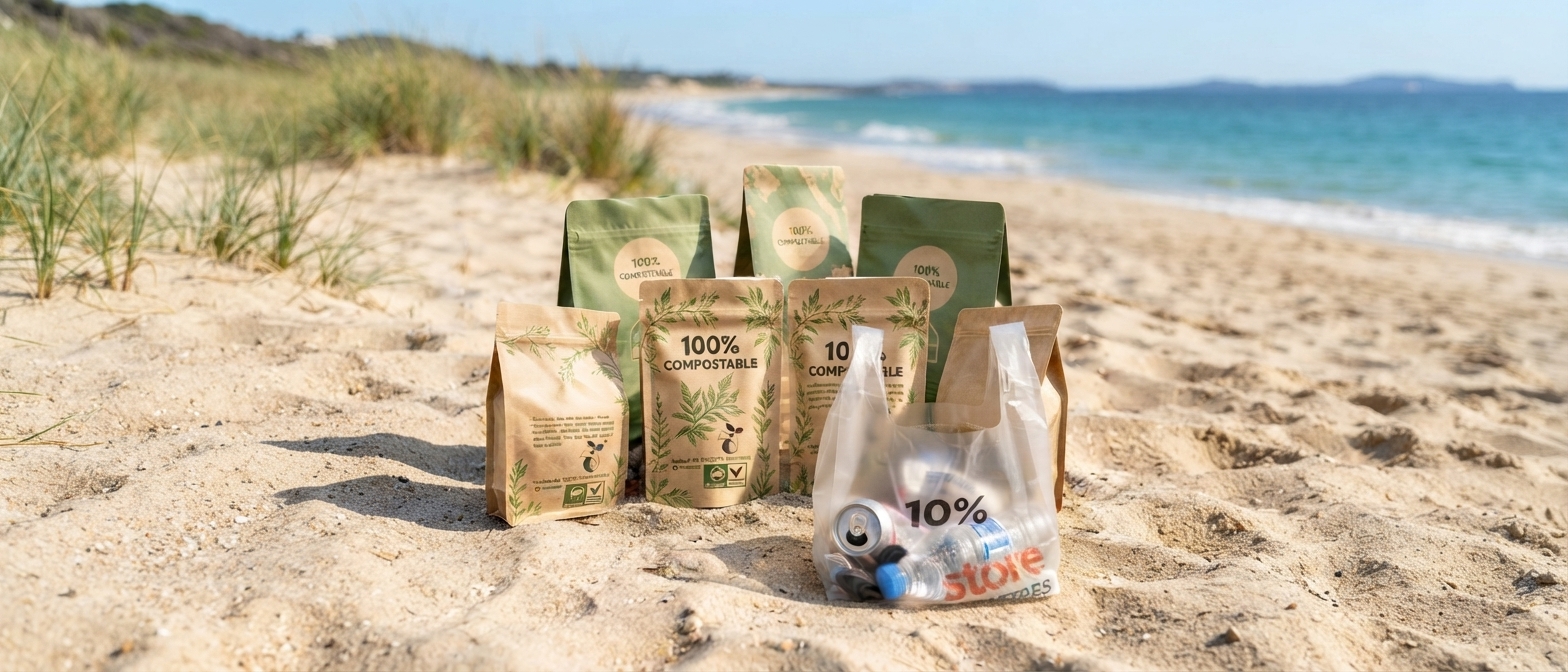
What if the plastic bag protecting your product today is actually creating a packaging problem for your brand five years from now?
We hear something similar from brand owners quite often. They tell us, “We want to get plastic out of our packaging.” We understand that. After working with overseas brands for more than a decade, we’ve seen the conversation change quite a lot. A few years ago, most buyers asked about price, thickness, printing and delivery time. Today, many of them also ask about recyclability, material structure, PPWR, recycled content and what happens to the package after the customer throws it away.
But here’s something we tell customers quite honestly: don’t change packaging just because the word “sustainable” sounds better. If the new bag cannot protect your product, costs twice as much, creates more product waste or has no realistic recycling route in your market, it may not be the better solution.
The real question is much more practical: which packaging gives your brand the right balance between product protection, cost, sustainability, appearance and future compliance?
Sustainable Packaging vs Traditional Plastic Bags: Which Is Better?

There isn’t one answer that works for every product.
Traditional plastic bags usually use materials such as PE, PP or PET, either on their own or combined with other layers. They have been around for a long time, and there is a good reason for that. They’re relatively light, strong, easy to print and can provide very good moisture, oxygen and light protection when the structure is designed properly.
For products that need a long shelf life, high barrier performance or good puncture resistance, traditional multilayer packaging can still be very practical. We would not tell a customer otherwise just to make a sustainability story sound better.
Sustainable packaging is a much wider term. It may include recyclable mono-material packaging, recycled-content packaging, compostable packaging, lightweight structures and other solutions designed to reduce material use or improve what happens at the end of the package’s life.
That means sustainable packaging does not automatically mean “paper,” and it certainly doesn’t always mean “no plastic.” A recyclable mono-PE pouch, for example, is still plastic. The difference is in the material structure and the intended recycling pathway.
For brands that want to move in this direction, custom recyclable pouches can be a practical option for many food, pet food, snack and consumer-product applications.
Recyclable, Compostable and Biodegradable Are Not the Same Thing
This is one area where we see a lot of confusion, especially when brands are comparing suppliers.
Recyclable means the packaging is designed so its material can potentially be collected, sorted and processed through an appropriate recycling system. That does not mean every recycling facility will accept it.
Compostable packaging is designed to break down under specified composting conditions. It doesn’t mean the bag will simply disappear in a landfill or in the ocean.
Biodegradable is also not a magic word. The rate and conditions of biodegradation matter.
This is why we always recommend looking at the complete packaging system rather than one attractive word printed on a product brochure.
Sustainable Packaging vs Traditional Plastic Bags: Key Differences
1. Environmental Impact
Traditional plastic is efficient in one very important way: you can use a relatively small amount of material to make a package that protects a product for months. That efficiency shouldn’t be ignored.
The bigger issue is what happens before and after use. Many conventional plastic packages depend on fossil-based raw materials, and some flexible packaging structures are difficult to recycle because several different materials are permanently bonded together.
Sustainable packaging tries to improve one or more parts of this lifecycle. It may reduce material consumption, simplify the structure, use recycled content, improve recyclability or use a compostable material where the local system supports it.
The U.S. EPA takes a similar lifecycle approach. Its sustainable materials management guidance looks at materials from raw-material extraction and manufacturing through use and end-of-life, rather than judging a package from one characteristic alone. EPA's sustainable materials management guidance is a useful reference for brands making these decisions.
2. Cost
Let’s be honest about this one. Sustainable packaging can cost more. Not always, but it can.
Newer materials, smaller production runs, special structures and certification requirements can all increase the price. If you’re ordering a very small quantity, the difference can be more noticeable.
Traditional plastic packaging benefits from a very mature supply chain. There are many raw-material suppliers, converters and factories producing it at large volumes, so the pricing is often competitive.
But unit price is not the whole story. A lighter package may reduce freight costs. A stronger pouch may reduce damaged goods. Better moisture protection may reduce product loss.
The EPA also notes that using more lightweight and efficient packaging can reduce waste while helping businesses save money. That’s why we usually encourage customers to look at total packaging cost, not only the price per bag.
3. Barrier Performance
This is where packaging gets technical, and it’s also where some “green packaging” discussions become too simple.
Coffee needs protection from oxygen and moisture. Protein powder can be very sensitive to humidity. Snacks need moisture and grease resistance. Some products need strong light protection. Others need aroma retention.
If a new sustainable bag cannot provide the barrier your product needs, don’t use it just for the marketing claim.
A package that saves a little material but causes your product to spoil earlier is not necessarily a better package. From a factory point of view, we would rather tell a customer that a certain structure isn’t suitable than sell them something that looks good in a quotation but causes trouble six months later.
4. Durability and Product Protection
A packaging bag has to survive more than a photo shoot.
It goes through filling, sealing, cartons, pallets, containers, warehouses, trucks, fulfillment centers and sometimes rough parcel delivery. Large pet food bags and heavy snack bags are particularly demanding.
Check puncture resistance, seal strength, tensile strength and overall construction before placing a large order.
Some sustainable materials work very well. Some don’t suit certain applications. It depends on the product and the structure, so testing samples before mass production is still the safest approach.
5. Shelf Appeal and Branding
There’s a common assumption that sustainable packaging has to look plain or “natural.” That’s no longer true.
Modern flexible packaging can still use strong graphics, matte or gloss finishes, transparent windows, resealable zippers, hang holes and high-quality printing.
For retail brands, this matters. Sustainability may get the customer’s attention, but the package still has to look like something people want to buy.
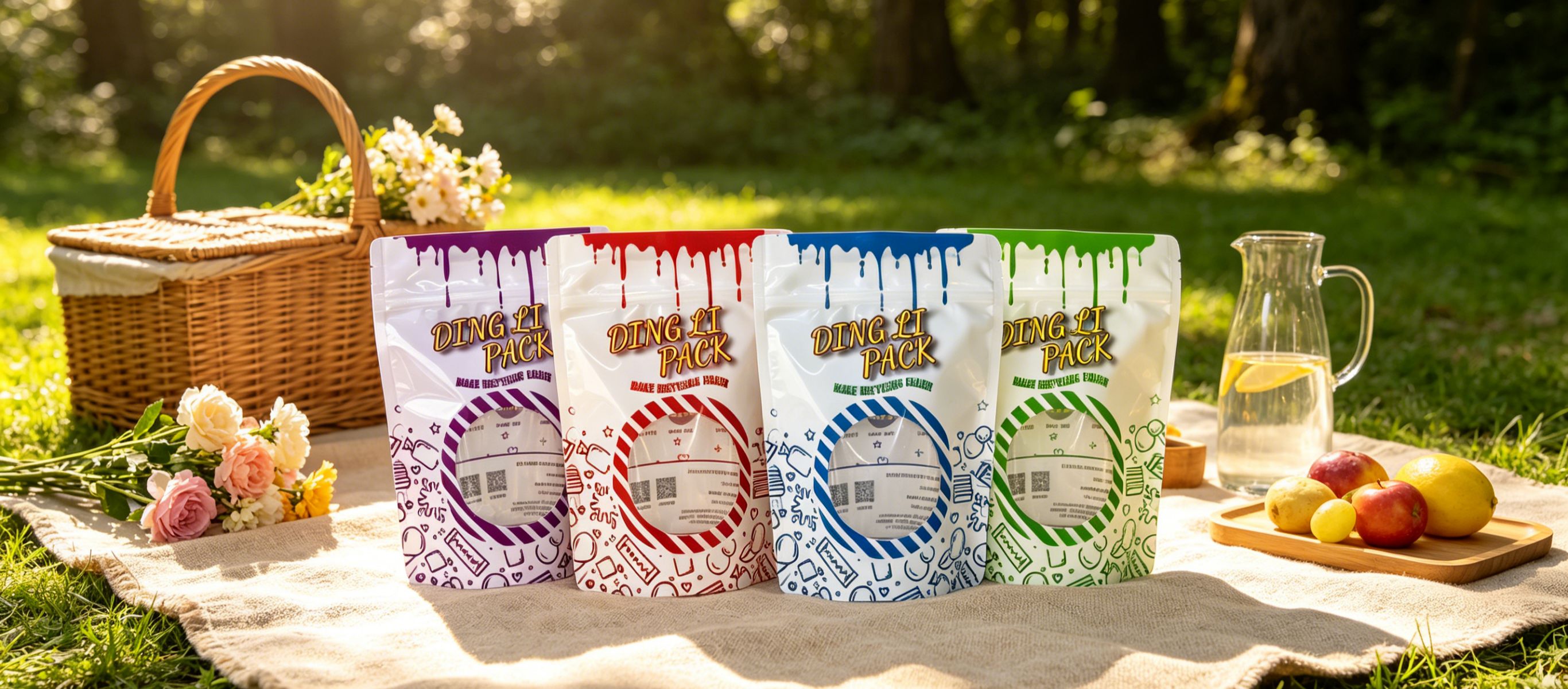
For example, recyclable stand-up pouches can combine a retail-friendly format with custom printing and practical features such as hang holes and resealable closures.
| Factor | Sustainable Packaging | Traditional Plastic |
|---|---|---|
| Environmental positioning | Generally stronger | More limited |
| Cost | Can be higher depending on material and volume | Usually mature and competitive |
| Barrier performance | Good when correctly engineered | Very mature |
| Durability | Depends on structure | Generally reliable |
| Branding | Highly customizable | Highly customizable |
| Recycling | Depends on structure and local infrastructure | Depends heavily on material and format |
Which Products Are Best Suited to Sustainable Packaging?
There isn’t one “best sustainable bag.” We normally start with the product and work backwards.
Coffee and tea need good oxygen and moisture protection, and coffee may also require a degassing valve. The material decision should come after those requirements are clear.
Snacks and cookies often need moisture and grease resistance, along with good shelf presentation. For brands in this category, custom recyclable cookie bags can be considered when the product requirements and local recycling route are suitable.
Pet food needs strength and reliable sealing. Bigger bags are especially important because a weak seal or easily punctured structure can turn into a real shipping problem.
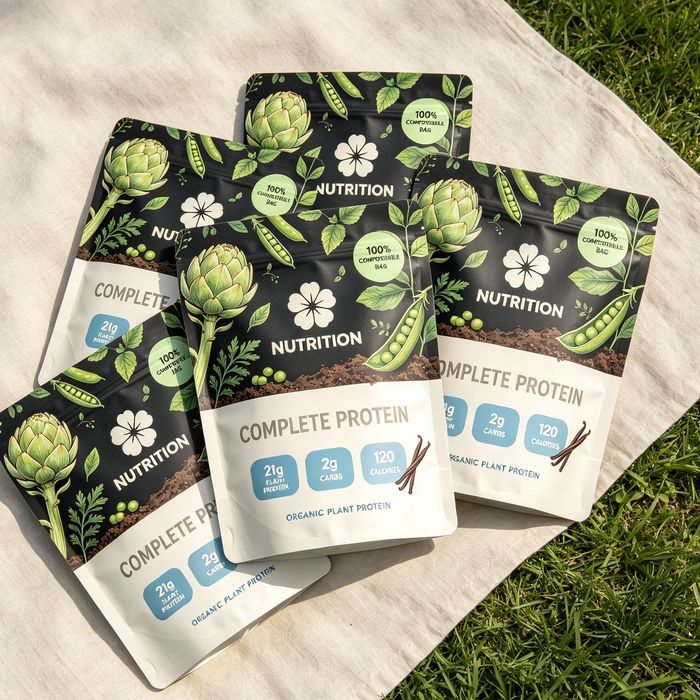
Protein powder and supplements are often moisture-sensitive. Don’t choose the structure just because it is labeled sustainable. Check the actual barrier requirements first.
For brands looking at compostability rather than recyclability, custom compostable packaging bags may make sense in the right market. But compostable packaging needs the right end-of-life conditions. If those conditions aren’t available to your customers, the environmental benefit may not be what you expect.
hen Traditional Plastic Packaging May Still Be the Better Choice
This is probably the part some packaging articles don’t like to talk about.
Sometimes traditional plastic is still the better technical choice.
If your product needs extremely high oxygen or moisture protection, a very long shelf life, strong puncture resistance or unusual temperature performance, you shouldn’t switch materials before testing.
The same goes for very cost-sensitive products where a small increase in packaging price has a major effect on the final retail price.
There is another issue: recycling infrastructure. A package can be technically recyclable and still have limited practical recycling options in a particular area. EPA's resources on recycling infrastructure show why collection, sorting and end markets all matter when evaluating what happens to packaging after use.
So if someone tells you that one material is always the most sustainable choice, be a little careful. Packaging is a system, not just a material.
2026 Packaging Trends European and American Brands Need to Watch
Carbon Reduction Is Pushing Packaging Up the Supply-Chain Agenda
More brands are now looking at packaging as part of their overall supply-chain strategy. They want to reduce material use, lower shipping weight, improve recyclability and prepare for changing customer and retailer expectations.
The idea is becoming less about “find an eco bag” and more about “how can we use the right amount of material and still protect the product?” That’s a much more useful conversation.
Lightweighting is one example. If you can reduce material without weakening the package, everybody benefits. Less material, less freight and potentially less waste. The EPA also identifies source reduction and lightweighting as important parts of sustainable materials management.
European Regulation Is Now a Real Packaging Procurement Issue
For companies selling in Europe, this is no longer just a future discussion.
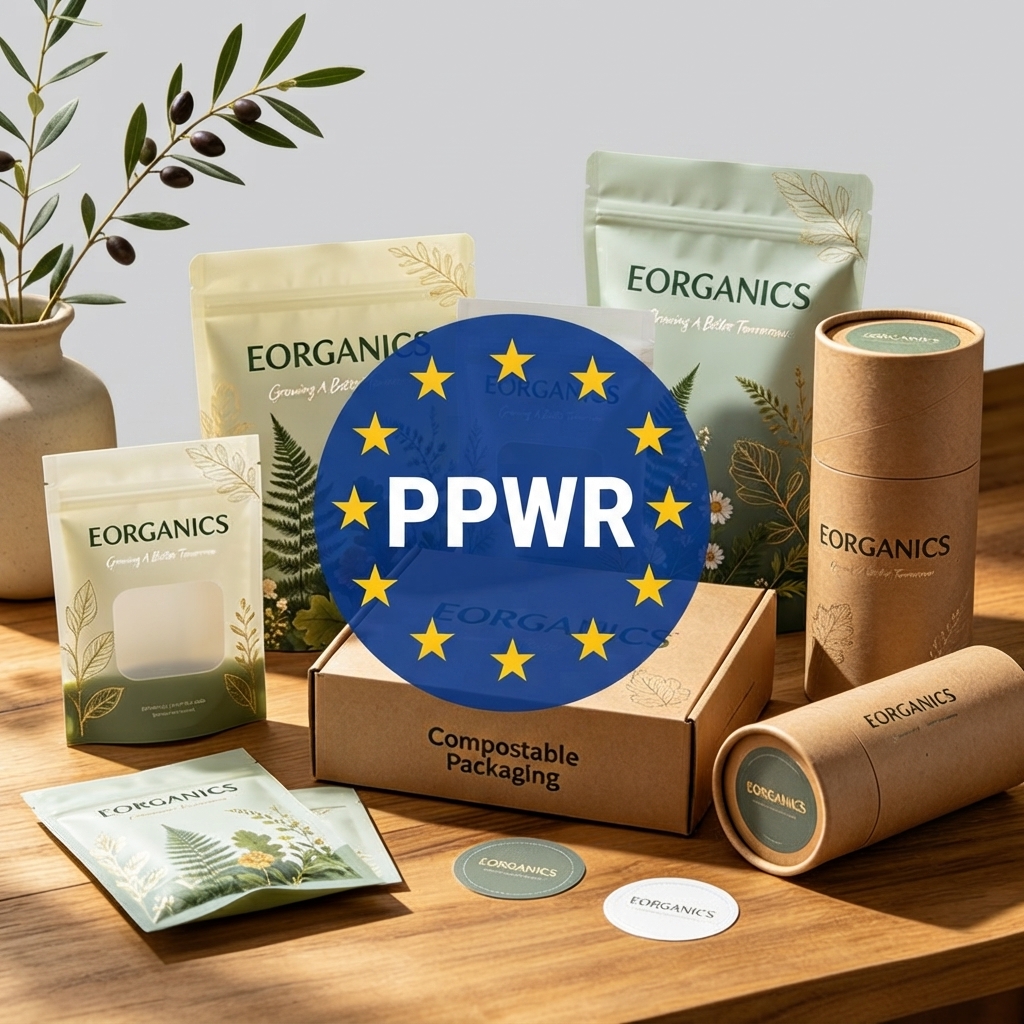
The EU's Packaging and Packaging Waste Regulation, known as PPWR, entered into application across the European Union on August 12, 2026. The European Commission says the regulation establishes a harmonized framework covering packaging and packaging waste, with objectives including reducing packaging waste and supporting a more circular economy.
You can check the latest information directly through the European Commission's latest PPWR update.
For European brands, this means packaging decisions need to be made earlier. Material structure, recyclability, packaging reduction and documentation should not be left until the last minute.
DINGLI PACK has also developed PPWR packaging solutions for brands that are reviewing their flexible packaging structures for the European market.
A Sustainable Package Still Has to Work in the Real World
This is probably the most important lesson we’ve learned from working with overseas customers.
A package can look great on a specification sheet. Then it gets filled, shipped across the ocean, stored in a hot warehouse, dropped during fulfillment and finally opened by the customer. That’s when you find out whether the package really works.
So before switching materials, ask a few basic questions. What shelf life do you need? What barrier performance does the product require? Where will the package be sold? What recycling or composting infrastructure is available there? What’s the MOQ? What’s the real landed cost?
And please, get samples first. A good packaging supplier should be comfortable with that.
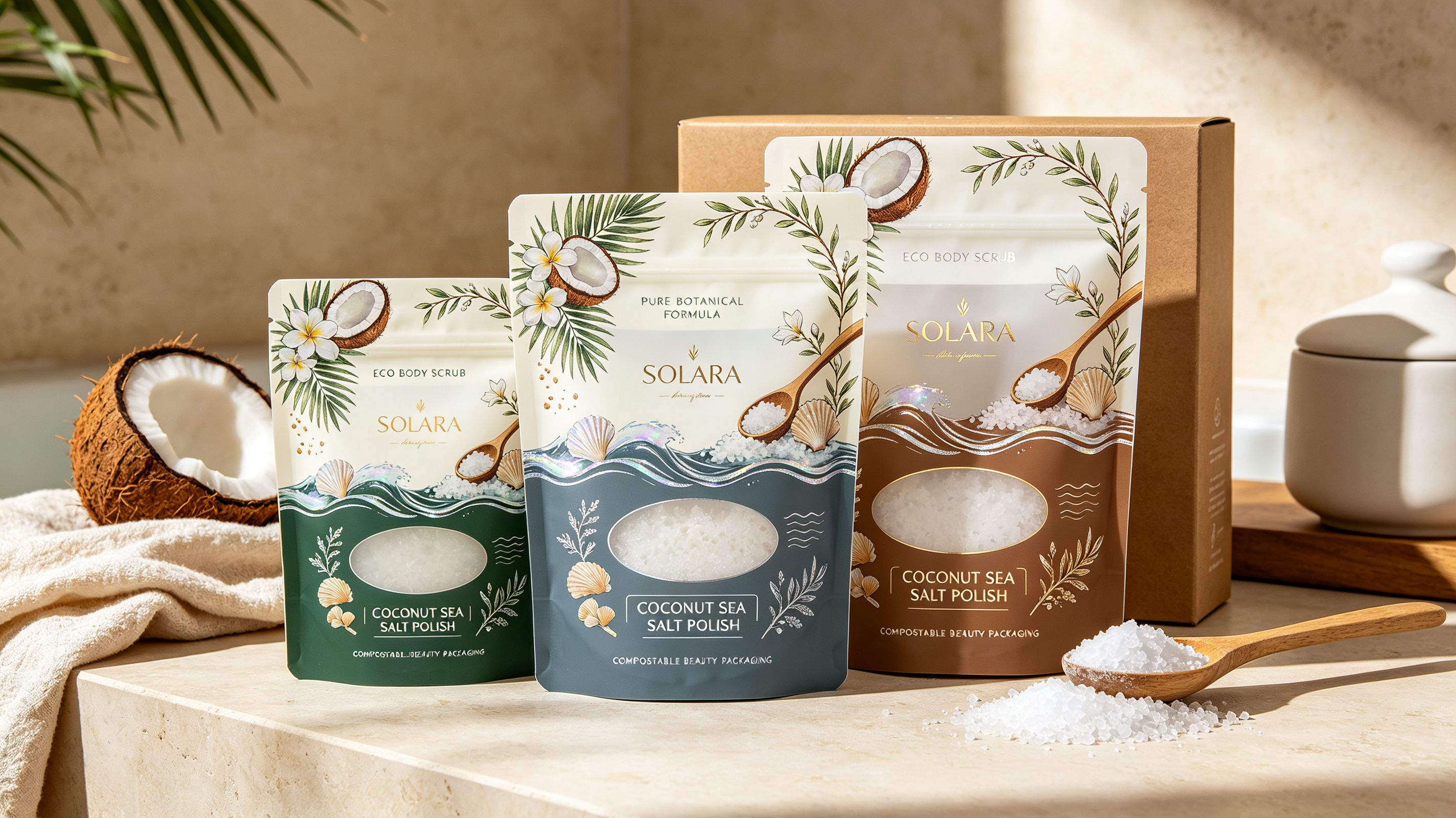
The Best Packaging Is the One That Balances Performance and Sustainability
So, should your brand move from traditional plastic to sustainable packaging?
Maybe. But don’t make the decision because another brand has done it, or because “eco-friendly” looks good on the front of a website.
Start with your product. Look at the shelf life, barrier requirements, filling process, transportation conditions and target market. Then look at the material options and what actually happens to the package after use.
Sometimes the answer will be a recyclable mono-material pouch. Sometimes it will be a lightweight traditional structure. In other cases, compostable packaging may be worth considering. There is no shame in choosing the technically correct option when the product genuinely needs it.
What matters is making a better packaging decision, not simply making a greener-sounding claim.
At DINGLI PACK, we’ve spent years working with overseas brands on flexible packaging, and this is usually how we approach a new project: first understand the product, then the market, then the packaging requirements. Only after that do we talk about material and price.
If you already know your product, bag size, filling weight and target market, you can contact our packaging team and send us the details. We can discuss the available structures, printing options, MOQ and samples before you make a large production decision.
The best sustainable packaging is not necessarily the package with the most impressive environmental claim. It’s the package that does its job well, uses materials responsibly and makes sense for the market where it will actually be used.
Packaging FAQs for Brands & Buyers
Practical answers to common packaging questions about materials, product fit, performance, specifications, compliance and B2B purchasing.
ONE-STOP PACKAGING SOLUTION - From Concept to Shelf in 7 Days
At DINGLI PACK, we know how stressful packaging can be for small brands, store owners, and startups. That’s why we focus on making it simple, reliable, and tailored to your needs. From stand up pouches, coffee bags with valves, flat bottom bags, spout pouches, shrink sleeves...
Our team provides hands-on support—from free package design and material advice to practical OEM guidance—making sure your product looks great and stays protected. Want to see us in action? Check our Video Center.
With a 5,000 m² workshop and 24/7 support, we deliver fast replies, consistent quality, and peace of mind. Stay updated with our tips and stories in the News Section, or explore all our solutions on the Products Page.
We’re more than a supplier—we’re a partner who understands the challenges of growing a brand and is ready to make your packaging shine.
Explore More Packaging Solutions & Insights
Discover packaging options and expert guides to help your brand make better decisions.
Recommended Products
Sustainable pouch solutions for brands looking for lightweight and eco-conscious packaging.
Designed for brands moving toward recyclable mono-material packaging structures.
Protect coffee freshness with sustainable packaging options.
Recommended Reading
Learn how recyclable mono-material structures support future packaging goals.
A practical guide for companies preparing for European packaging regulations.
Key factors brands should check before selecting a packaging partner.
Address
Block B-29,
VanYang Crowd Innovation Park ,
No 1 ShuangYang Road,
YangQiao Town, BoLuo District,
HuiZhou City, 516157, China
Phone
Support: +86 13410678885
Hours
Monday-Friday: 9am to 6pm
Saturday, Sunday: Closed


Post time: Aug-31-2026