
What if the packaging you choose today could actually help reduce your costs in the years ahead?
For many brands, packaging decisions still come down to one simple question: “How much does each bag or pouch cost?”
But in reality, the price on a supplier quotation is only one small part of the picture. The real cost of packaging includes material sourcing, production efficiency, inventory management, compliance requirements, recycling challenges, and even the impact on your brand image.
This is why more companies are starting to look beyond the initial unit price. Especially in Europe and North America, brands are facing increasing pressure to create packaging that is not only attractive and functional but also prepared for future sustainability standards.
Understanding new regulations such as PPWR packaging solutions is becoming an important part of long-term packaging planning. The brands that adapt early are often the ones that avoid expensive changes later.
What Is Mono Material Packaging?

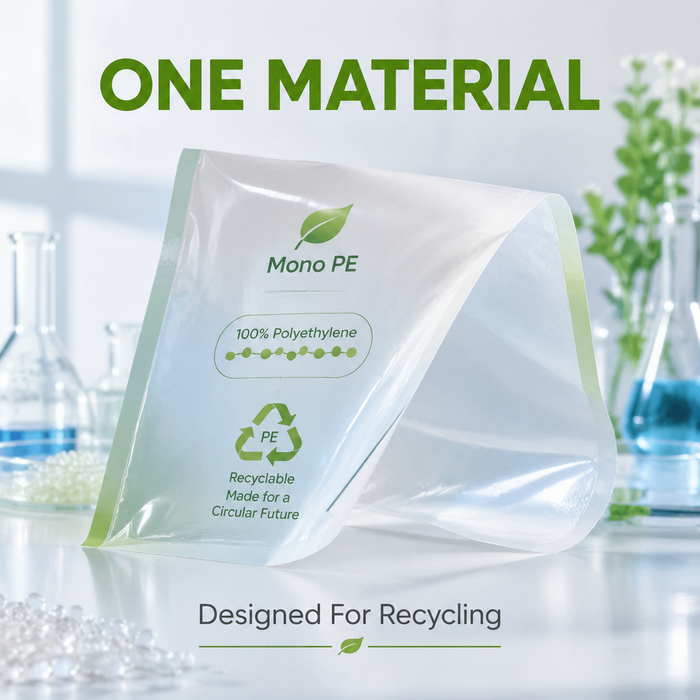
Mono material packaging refers to flexible packaging made mainly from a single type of polymer material, such as Mono PE or Mono PP.
Traditional flexible packaging often combines several different materials. For example, a common structure may include PET for strength, aluminum foil for barrier protection, and PE for sealing performance.
This type of structure has been widely used because it works extremely well for protecting products. Coffee stays fresh. Snacks maintain texture. Pet food remains protected during transportation.
However, there is another side of the story.
When different materials are bonded together, recycling becomes more complicated because each layer has different properties and needs different processing methods.
Mono material packaging takes a different approach. By reducing material combinations, it creates a simpler packaging structure that can fit better into modern recycling systems.
According to the circular economy principles promoted by The Ellen MacArthur Foundation, improving packaging design and keeping materials in circulation are important steps toward reducing waste.
Explore recyclable and sustainable packaging solutions designed for modern brands.
Mono Material Packaging vs Traditional Multi-Layer Packaging
| Comparison Factor | Traditional Multi-Layer Packaging | Mono Material Packaging |
|---|---|---|
| Material Structure | Multiple materials combined | Single polymer system |
| Recycling Difficulty | More complicated | Better recycling compatibility |
| Material Management | Complex sourcing process | Simplified management |
| Future Regulation Adaptation | More uncertainty | Better aligned with future trends |
| Sustainability Value | Moderate | Higher potential |
For brands developing new products or refreshing existing packaging, this difference matters.
The question is no longer only: “Which packaging costs less today?”
The more important question is: “Which packaging choice creates fewer problems and lower costs over the next several years?”
What Are the Hidden Long-Term Costs of Traditional Multi-Layer Packaging?
Traditional multi-layer packaging has played an important role in the growth of the food, beverage, pet food, and supplement industries. It offers excellent barrier protection and reliable product performance.
But as sustainability requirements become stricter, brands are starting to notice some hidden costs behind these structures.
1. Higher Material Purchasing Costs
A multi-layer package usually requires several different raw materials. PET film, aluminum foil, adhesives, and PE sealing layers all need separate sourcing and management.
For brands with multiple product lines, this can quickly become complicated. More materials mean more suppliers, more purchasing processes, and more time spent managing packaging components.
A simplified mono material structure helps brands create a more efficient purchasing system with fewer material variables.
2. Additional Processing Costs During Manufacturing
Multi-layer packaging requires several production steps, including lamination, adhesive application, curing, and quality inspections.
Every additional process adds another layer of cost.
More equipment usage, more energy consumption, and more production controls can all influence the final packaging cost.
By simplifying the structure, mono material packaging can help manufacturers improve production stability and reduce unnecessary processing complexity.
3. Quality Loss and Production Waste Risks
Packaging problems are expensive.
A failed batch caused by poor lamination, layer separation, or sealing issues does not only waste materials. It can also delay deliveries and affect customer satisfaction.
A well-designed mono material package creates a more consistent material system, helping reduce some production risks and improve quality control.
4. Increasing Compliance and Environmental Costs
Packaging regulations are changing quickly, especially in Europe.
The EU Packaging and Packaging Waste Regulation (PPWR) is pushing companies toward more recyclable packaging designs and better waste management practices.
For brands selling internationally, choosing packaging that may not meet future requirements can create additional expenses, including redesign costs, testing costs, and possible market limitations.
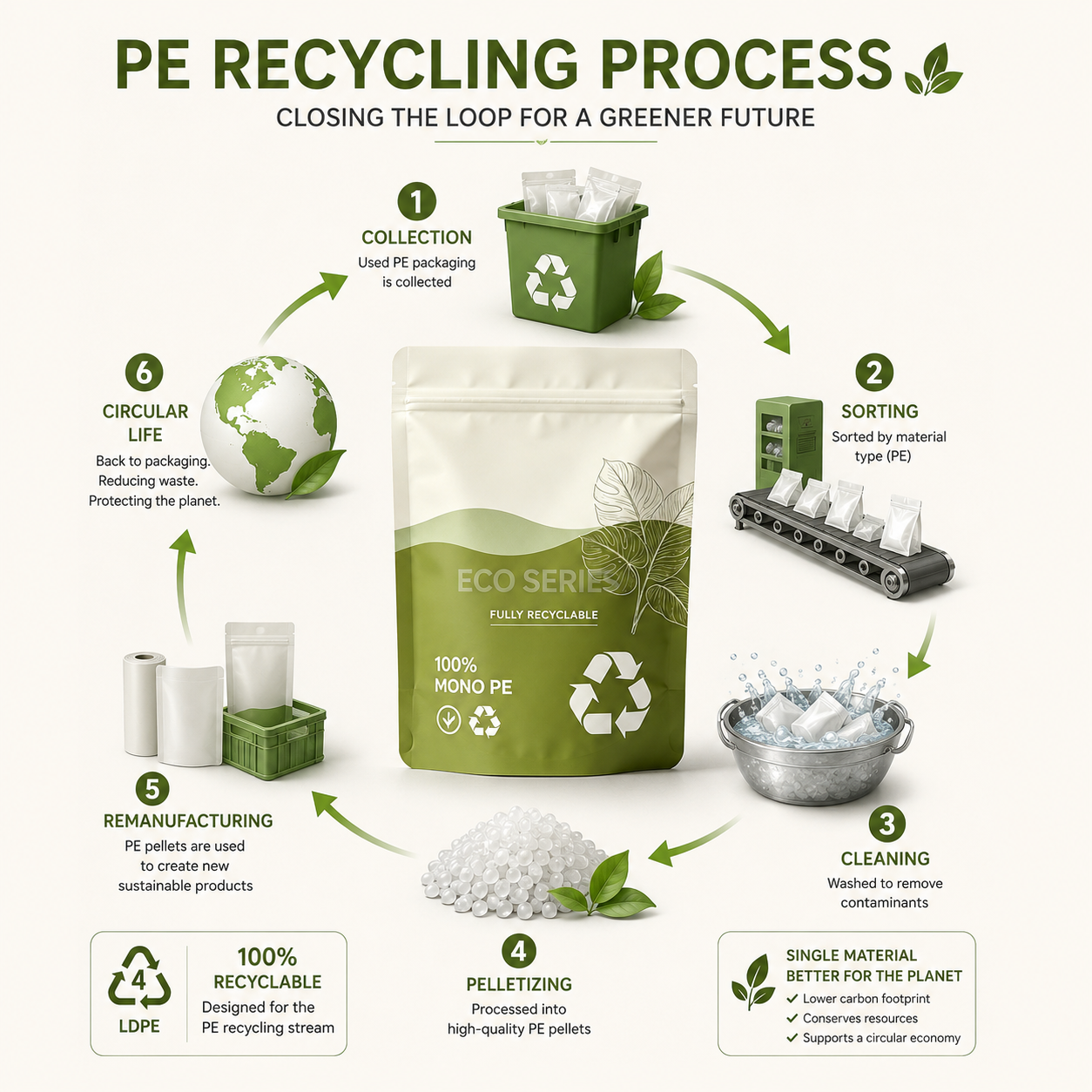
5. Higher Recycling and Waste Management Costs
Under many Extended Producer Responsibility (EPR) systems, packaging materials are evaluated based on their environmental impact and recyclability.
Packaging that is harder to recycle may create higher fees and additional waste management costs.
This is one reason why many companies are exploring recyclable flexible packaging solutions that support both sustainability goals and long-term cost control.
6. Inventory and Supply Chain Complexity
For growing brands, packaging management can become surprisingly complicated.
Different materials mean more inventory categories, more warehouse space, more supplier coordination, and more quality checks.
Simplifying packaging materials can make the entire supply chain easier to manage, especially for brands with many SKUs across different markets.
How Mono Material Packaging Helps Brands Reduce Long-Term Costs
The biggest advantage of mono material packaging is not always visible on the first purchase order. The real value appears over time — through simpler production, easier compliance management, and a packaging system that is ready for future market changes.
For brands that are planning long-term growth, packaging should not only protect the product inside. It should also support operational efficiency, sustainability goals, and customer expectations.
1. Reduce Future Environmental Compliance Risks
One of the biggest challenges facing global brands today is uncertainty around packaging regulations.
A package that works perfectly today may face new requirements tomorrow. This is especially true for companies selling in regions where recyclable packaging standards and environmental policies are developing quickly.
By choosing mono material packaging earlier, brands can build a packaging system that is more aligned with future sustainability expectations instead of making urgent and expensive changes later.
This is particularly important for companies operating across multiple markets. A packaging solution designed with recyclability in mind can help reduce compliance pressure while supporting a stronger sustainability story.
2. Simplify Production Processes and Improve Manufacturing Efficiency
Packaging production involves many small details that can affect final costs.
Material compatibility, production settings, quality inspection, and waste control all influence efficiency. When packaging structures become too complicated, even small issues can create delays or additional expenses.
Mono material packaging simplifies the structure by reducing unnecessary material combinations. This can help manufacturers achieve more stable production performance and improve quality consistency.
For brands, this means fewer packaging problems, smoother supply chain coordination, and a more predictable production process.
At DINGLI PACK, we help brands develop recyclable Mono PE packaging that balances sustainability requirements with practical production performance.
3. Optimize Supply Chain Management and Purchasing Efficiency
Many growing brands underestimate how much packaging complexity affects daily operations.
Imagine managing dozens of products, each requiring different packaging materials, suppliers, and inventory planning. Over time, those small differences create extra work and higher management costs.
A simplified mono material packaging system can help brands:
- Reduce the number of packaging material types
- Simplify supplier communication
- Improve inventory planning
- Reduce warehouse pressure
- Create a more consistent packaging strategy
For international brands, especially those selling across Europe and North America, supply chain simplicity can become a real competitive advantage.
4. Increase Brand Value and Create Business Opportunities
Cost reduction is not only about spending less money. Sometimes, it is also about creating more value from the same investment.
Today’s consumers pay closer attention to how products are made and packaged. A recyclable packaging solution can help brands communicate responsibility, innovation, and long-term commitment.
For retailers and distributors, sustainable packaging can also become an important factor when selecting suppliers and products.
A well-designed package does more than protect the product. It tells customers what your brand stands for.
Create custom sustainable packaging with the right materials, design, and performance.
Which Products Are Suitable for Mono Material Packaging?
Mono material packaging is becoming increasingly popular across different industries because it combines sustainability with the flexibility and convenience that modern brands need.
From food and beverages to pet care and wellness products, many applications can benefit from recyclable flexible packaging structures.
Food and Snack Packaging
Snack brands, coffee companies, and food manufacturers need packaging that provides product protection while supporting sustainability goals.
Options such as recyclable flat bottom pouches are ideal for products that require strong shelf presence, excellent stability, and reliable freshness protection.
For premium snack and confectionery brands, packaging appearance is equally important. Clear structures and modern sustainable designs can help products stand out on crowded retail shelves, such as eco flat bottom gusset bags for candy and chocolate packaging.
Pet Food and Nutrition Packaging
The pet food market continues to grow, and many brands are looking for packaging that reflects quality, safety, and environmental responsibility.
Durable recyclable pouches can provide excellent protection for dry pet food, supplements, and nutrition products while supporting a more sustainable brand image.
DINGLI PACK provides eco-friendly stand up pouch packaging for pet food and nutritional supplements with customized printing, flexible structures, and brand-focused packaging solutions.
Liquid, Refill, Beauty, and Wellness Products
The demand for refill packaging is also increasing as brands look for ways to reduce packaging waste while improving customer convenience.
Flexible solutions such as custom recyclable spout pouches provide an excellent option for liquid products, including beverages, sauces, personal care products, and refill applications.
For beauty, food, and supplement brands searching for lightweight alternatives, eco fin seal pouches for refill packaging offer a practical balance between design flexibility and sustainability.
Kraft and Natural-Looking Sustainable Packaging
Some brands want sustainability to be visible immediately through packaging appearance.
Natural textures, kraft paper finishes, and eco-inspired designs can help communicate a strong environmental message while maintaining premium shelf appeal.
For brands in pet food, grains, nuts, and organic products, kraft paper biodegradable packaging pouches can create a more natural and trustworthy product presentation.
Why Choose DINGLI PACK for Mono Material Packaging Solutions?
Switching packaging materials is not simply about choosing a different film. It requires experience in material selection, structural design, printing technology, and production management.
A packaging partner needs to understand both sustainability goals and real-world business requirements.
At DINGLI PACK, we work with global brands to develop flexible packaging solutions that combine performance, design, and sustainability.
Our capabilities include:
- Custom mono material packaging structures designed for different applications
- Recyclable flexible packaging solutions for food, pet food, wellness, and retail products
- Custom stand up pouches, flat bottom pouches, spout pouches, and specialty bags
- High-quality multi-color printing and packaging design support
- One-stop packaging service from material selection to mass production
Whether you are launching a new product or upgrading existing packaging, our team can help you evaluate the right structure based on your product requirements, market goals, and sustainability targets.
From material selection to mass production, we help brands create packaging that performs.
ONE-STOP PACKAGING SOLUTION - From Concept to Shelf in 7 Days
At DINGLI PACK, we know how stressful packaging can be for small brands, store owners, and startups. That’s why we focus on making it simple, reliable, and tailored to your needs. From stand up pouches, coffee bags with valves, flat bottom bags, spout pouches, shrink sleeves...
Our team provides hands-on support—from free package design and material advice to practical OEM guidance—making sure your product looks great and stays protected. Want to see us in action? Check our Video Center.
With a 5,000 m² workshop and 24/7 support, we deliver fast replies, consistent quality, and peace of mind. Stay updated with our tips and stories in the News Section, or explore all our solutions on the Products Page.
We’re more than a supplier—we’re a partner who understands the challenges of growing a brand and is ready to make your packaging shine.
Address
Block B-29,
VanYang Crowd Innovation Park ,
No 1 ShuangYang Road,
YangQiao Town, BoLuo District,
HuiZhou City, 516157, China
Phone
Support: +86 13410678885
Hours
Monday-Friday: 9am to 6pm
Saturday, Sunday: Closed


Post time: Jul-13-2026