
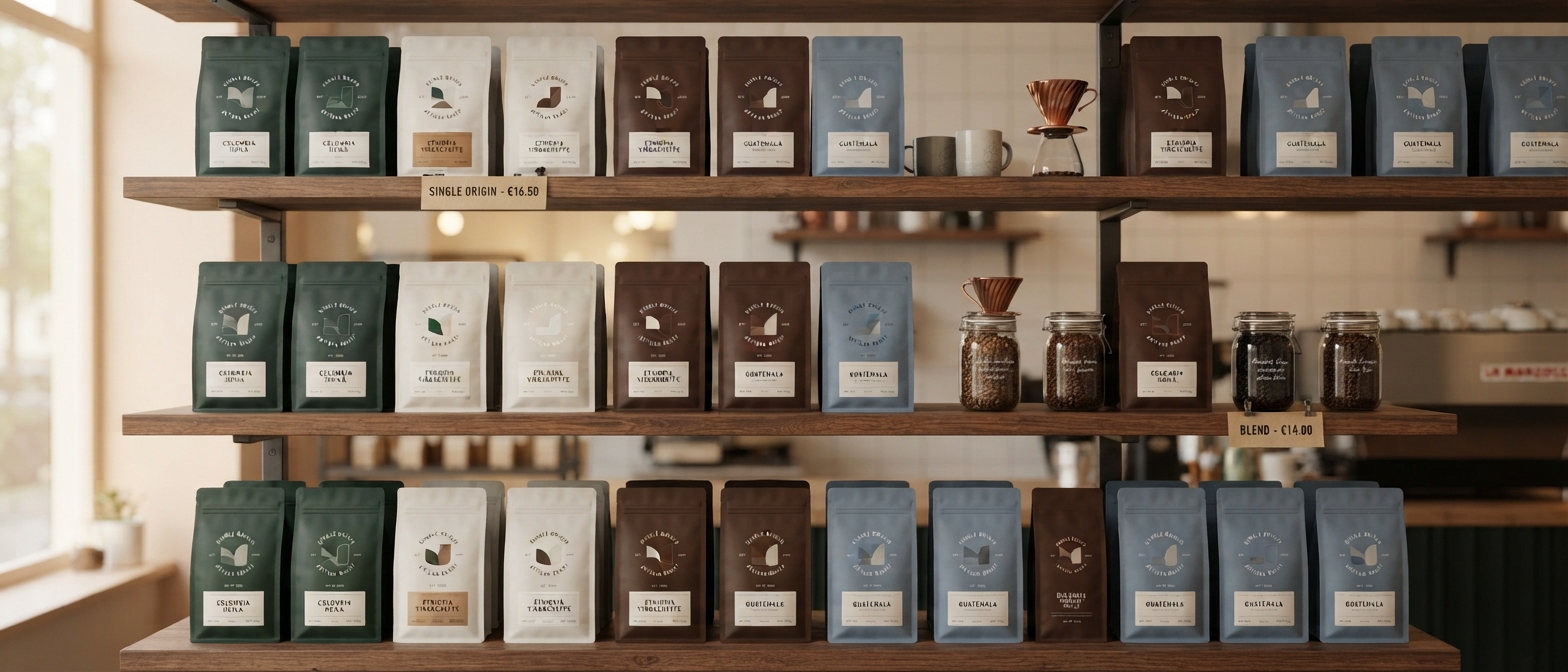
Are you choosing a pouch because it looks good in a sample, or because it actually makes sense for your product? This is something we see quite often when talking with coffee roasters, pet food brands, tea companies, and supplement businesses. Two bags can look almost the same in a photo, but once you talk about fill weight, filling machines, material usage and yearly volume, the cost and performance can be quite different. If you're looking at premium coffee packaging, certified compostable kraft paper flat coffee pouches may be worth considering. But don't assume a flat bottom bag is always the better choice. After working with overseas buyers for many years, my advice is simple: choose the bag based on the product and production, not just the appearance.
Below, I'll compare quad seal pouches and flat bottom pouches from a practical buyer's point of view. We’ll look at cost, shelf stability, printing, packaging materials, and where each format works better.
What Is a Quad Seal Pouch?

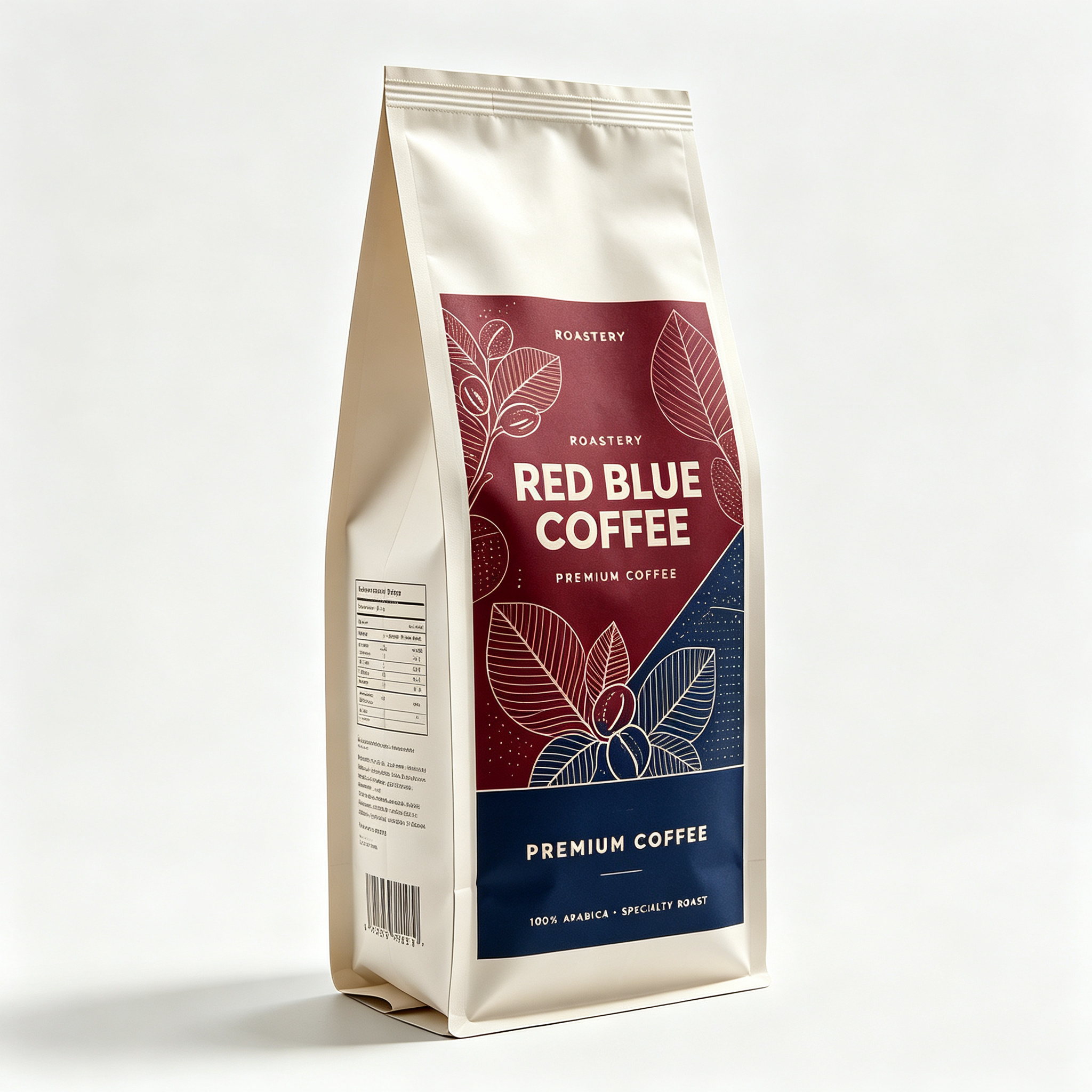
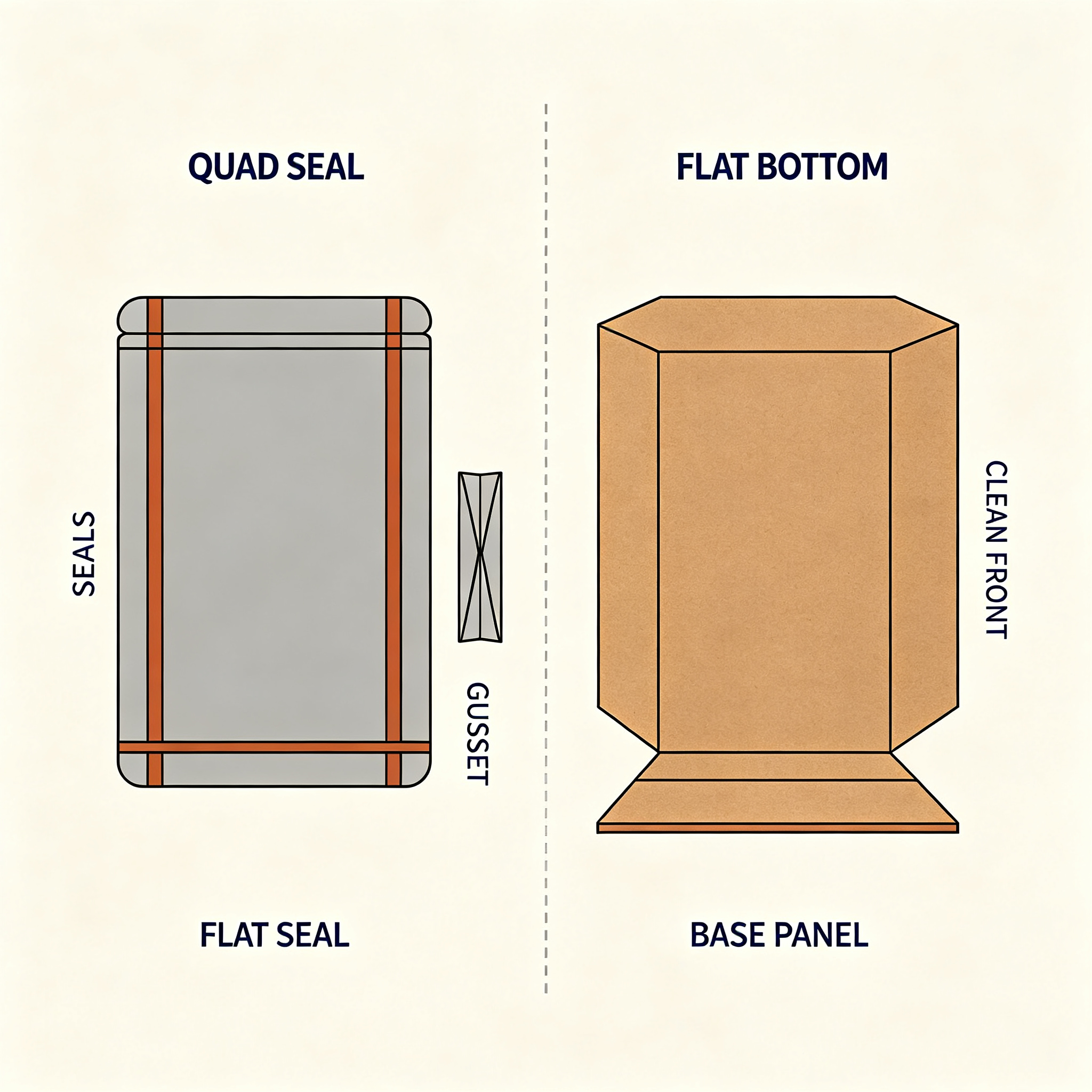
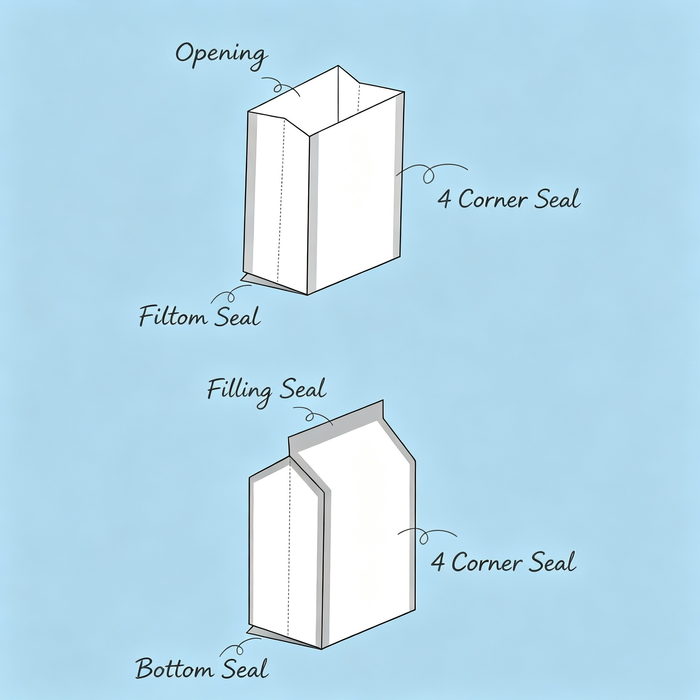
A quad seal pouch is made from flexible film that is folded into a box-like shape and sealed at four vertical corners. These four seals are what give the bag its square, fairly firm appearance.
You'll sometimes hear buyers call it a four-corner bag, box pouch, or quad seal bag. The names can vary from supplier to supplier, so when you're asking for a quotation, I strongly recommend sending a picture or drawing as well. It saves a lot of back-and-forth.
The front and back panels are normally used for the main artwork. The side panels are also available for printing, which is useful if you want to put brewing instructions, product information, ingredients, or a bit of brand story on the sides.
Common options include a zipper, one-way degassing valve, window, tin-tie and tear notch. For coffee, the valve is especially common. For larger bags of pet food, flour, grains and similar products, the structure is also quite practical.
One reason we often recommend quad seal bags for larger sizes is cost. Once the bag gets heavier, material usage and production efficiency become much more important. A premium-looking bag is nice, but if you're selling millions of units a year, a few cents per bag can become a serious number.
What Is a Flat Bottom Pouch?
A flat bottom pouch has a separate bottom structure that opens out when the bag is filled. The result is a flat base, so the package stands more like a small box than a soft pouch.
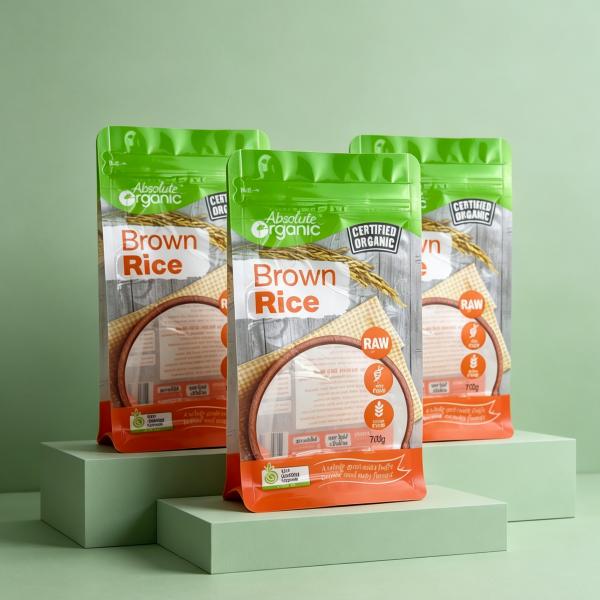
From the front, this is one of the main reasons brands like the format. There is no obvious vertical corner seal running through the main front artwork. You get a clean front panel, plus side and bottom areas that can also be used for printing depending on the construction.
For a premium product, that extra presentation can matter. A specialty coffee bag sitting straight on a shelf simply looks different from a softer package that leans to one side.
We've seen flat bottom pouches used a lot for specialty coffee, premium tea, high-end pet food, protein powder, nuts and other higher-value retail products.
For coffee brands, a custom printed flat bottom coffee bag with degassing valve is a popular setup because it combines a strong shelf presence with the features coffee actually needs.
Of course, flat bottom bags have a downside too. They usually cost more than a basic quad seal structure. If you're selling a large-volume, price-sensitive product, you should run the numbers before deciding that the more expensive bag is automatically worth it.
Why Are Quad Seal and Flat Bottom Bags Often Confused?
This is a common problem, especially when buyers are comparing suppliers from different countries.
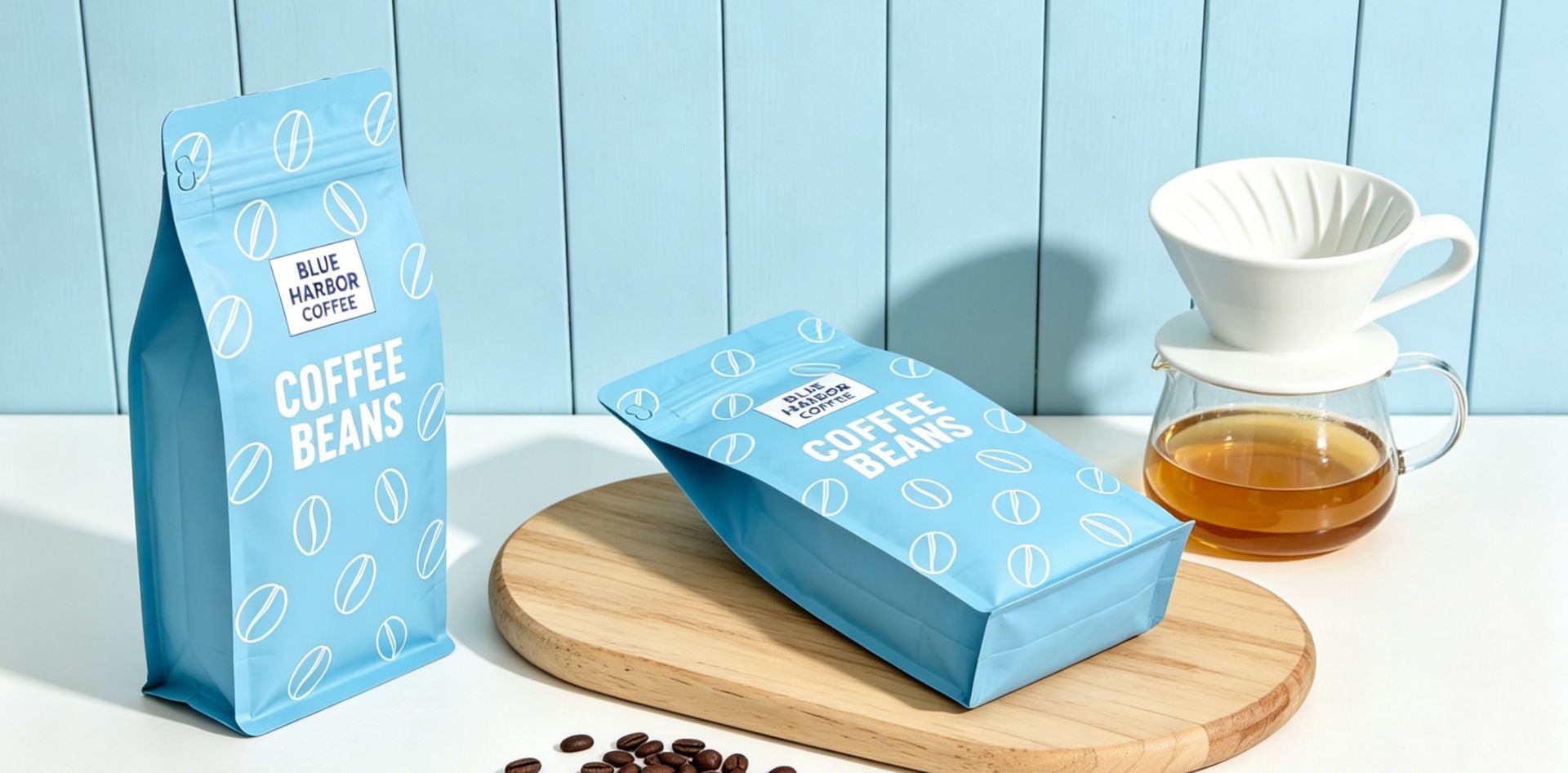
Both bags can have a square shape. Both can stand upright. Both can have zippers and valves. In a product photo, they can look almost identical.
The actual construction is different, though. The bottom design, seal positions, panel layout and manufacturing process all affect the finished bag.
So when you ask a factory for a “box pouch,” don't stop there. Send the supplier the size, fill weight, reference picture and, if possible, the packaging drawing. A good factory should be able to tell you which construction is more suitable rather than simply quoting whatever bag you first asked for.
Shelf Stability: Which One Stands Better?
Both can stand well when properly designed, but a flat bottom pouch normally has an advantage here.
Because it has a real flat base, the package has a wider and more defined footprint. That's useful for retail shelves, especially when you want several bags lined up neatly next to each other.
Quad seal bags are also stable, particularly once filled. Their four-corner construction gives the bag a fairly strong rectangular shape. For larger packages, this is one reason they continue to be widely used.
But don't make the mistake of thinking that bag type alone determines stability. Fill weight, product density, bag dimensions, film stiffness and filling accuracy all have an effect.
We've had customers send us a bag size that looked perfect on paper, only to find during sampling that the finished bag didn't stand the way they expected. That's why a physical sample is worth much more than a nice rendering.
Cost Comparison: Is a Flat Bottom Pouch More Expensive?
Now look at a 2 kg or 5 kg product that competes mainly on price. If you are shipping hundreds of thousands of bags, the difference can be very meaningful.
So the better question isn't “Which bag is cheaper?” It's “Which bag gives us the right total cost for this product?”
For a new project, we normally look at the bag size, annual quantity, film structure and filling method together. That's a much more useful way to quote.
In many cases, yes.
A flat bottom pouch has a more complicated structure and can use more material. Production can also involve more steps, so the unit price is often higher than a comparable quad seal bag.
But here's where buyers sometimes look at the wrong number. Don't compare only the pouch price.
Let's say a flat bottom bag costs a little more, but your product sells for $20 or $30 at retail and the package gives you a much stronger shelf presence. That extra packaging cost may be quite small compared with the selling price.
What About Environmental Impact?
This part needs a little honesty because there are too many simple claims in the packaging market.
A flat bottom bag isn't automatically more environmentally friendly than a quad seal bag, and a kraft-looking bag isn't automatically compostable.
The real picture depends on the complete structure: film layers, thickness, barrier requirements, inks, adhesives, zipper or valve, transportation, and what happens to the package after use.
If your brand wants to use environmental claims, make sure those claims can be supported. The FTC Green Guides provide guidance for environmental marketing claims in the U.S., including claims around compostability and recyclability.
For packaging intended for organic recycling, ISO 18606 is another useful reference. It covers packaging suitable for organic recycling and the requirements that need to be considered.
Food brands also need to pay attention to the materials that actually come into contact with food. The U.S. FDA food packaging guidance is a good starting point when reviewing food-contact packaging requirements.
From a factory point of view, we'd rather discuss the full material structure with a customer than simply tell them, “This bag is green.” Packaging claims should be based on what the package really is.
Quad Seal vs Flat Bottom: Pros and Cons
| Factor | Quad Seal Pouch | Flat Bottom Pouch |
|---|---|---|
| Shelf stability | Very good | Excellent |
| Premium appearance | Good | Very good |
| Printing area | Large | Large and clean |
| Typical cost | Often lower | Often higher |
| Large pack sizes | Excellent | Good |
| Premium retail | Good | Excellent |
There isn't a clear winner across every category. That's actually a good thing. It means you have more than one option depending on what you're trying to achieve
Coffee: Whole Beans and Ground Coffee
Coffee is probably the category where we get this question most often.
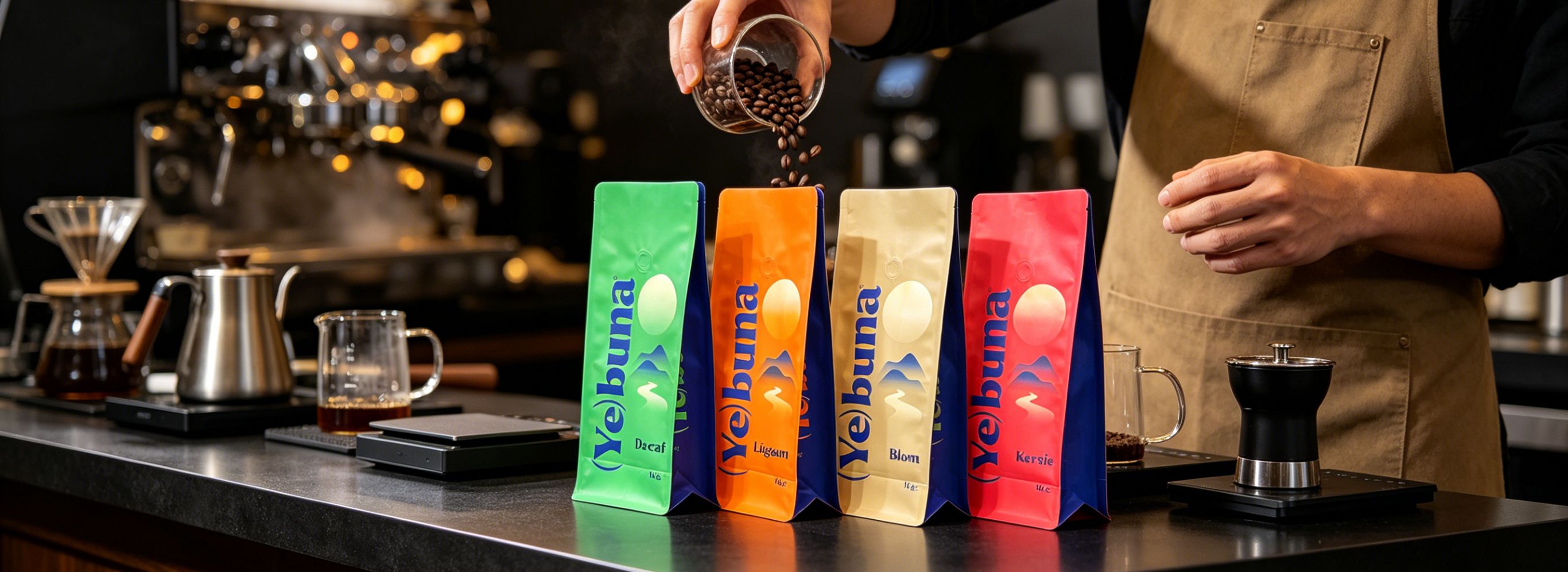
For specialty coffee in the 200 g–1 kg retail range, flat bottom bags are usually a strong option. The package gives the roaster plenty of room to show the brand, roast information, origin, tasting notes and other details without making the front look crowded.
A zipper is useful for resealing, and a one-way valve helps release gases from freshly roasted coffee. If you're building a premium coffee line, a flat bottom pouch can make the product feel more substantial on the shelf.
For 1 kg and larger bags, especially foodservice, refill and more price-sensitive products, quad seal bags can make more sense. The exact choice depends on your machine and target cost, but this is where the cost difference starts to matter more.
One important point: changing the bag shape does not make coffee fresher. The film barrier, oxygen transmission rate, moisture barrier, seal quality and valve performance are much more important. Don't let anyone tell you that a flat bottom bag alone will slow oxidation.
For brands that want a more customized premium presentation, a custom multi-color coffee flat bottom pouch with zipper and valve can be a good direction, especially when the packaging itself is part of the brand experience.
Pet Food and Treats
For pet food, the pack size makes a big difference.
Once you're talking about 2 kg or more, quad seal bags become quite attractive. The four-corner construction works well with heavier contents, and keeping the bag cost under control becomes more important.
For smaller premium pet food and freeze-dried treats, the story changes. If you're selling a high-margin product through specialty stores or online and the packaging needs to communicate quality, a flat bottom bag can justify the extra cost.
I'd still recommend testing the actual filled bag. Pet food can vary quite a lot in density, and two products with the same net weight may behave differently inside the same bag.
Tea
Tea is another good match for flat bottom pouches, especially loose-leaf tea, blended tea and herbal tea.
The product is relatively light, so the packaging doesn't have to deal with the same load as a large pet food bag. What matters more is shelf appearance, moisture protection and the amount of information you want to communicate.
A flat front gives premium tea brands plenty of space for origin, flavor profile, brewing instructions and brand storytelling.
For tea, though, don't focus too much on the pouch shape. Moisture barrier and seal performance are more important if your goal is to protect product quality.
Protein Powder and Dietary Supplements
For premium supplements below around 500 g, flat bottom pouches can work nicely. They look more like a retail package than a basic flexible bag, which can be useful for brands trying to move away from the typical supplement look.
For 1 kg or larger protein powder, quad seal packaging may be the more sensible option if keeping packaging costs down is important.
Powder products also need another check that is easy to miss: the seal area must stay clean during filling. Fine powder can get into the sealing area, and once that happens, you may see weak seals or leaks.
So before placing a large order, run the actual product through the filling process. A factory sample is not enough by itself.
Nuts, Granola and Baked Grains
For premium retail nuts and granola, flat bottom bags are often a good fit. They stand well and give smaller packs a stronger shelf presence.
For family-size bags, bulk products and value packs, quad seal bags can be more economical.
With oily nuts, there is another issue to think about. Oxygen and light can affect product quality, so the right barrier structure may be more important than the bag shape. Depending on the product and shelf-life target, a metallized or foil-containing structure may be considered.
In other words, don't try to solve a film-barrier problem by changing from one bag shape to another.
Powders and Non-Food Products
For detergent powders, garden products and other dry non-food materials, larger quad seal bags can be a practical choice.
These products often run at relatively high production volumes, so the packaging needs to work well with the filling equipment and keep the unit cost under control.
This is where we normally tell customers not to choose a bag from a picture alone. The pouch has to work on the machine. If you're running an automated filling line, the bag dimensions, opening, sealing area and material stiffness all need to be checked before mass production.
Which Pouch Should You Choose?
After years of working with overseas buyers, I don't think there is a “best pouch” in general. There is only a better pouch for a particular product and business model.
If you're selling large, heavy or price-sensitive products, start by looking at the quad seal option. It can give you a strong package without pushing the bag cost too high.
If you're selling specialty coffee, premium tea, high-end pet food or another product where shelf presentation directly supports the selling price, a flat bottom pouch is worth serious consideration.
And sometimes the best answer is to use both formats across different SKUs.
200–500 g specialty coffee: Flat bottom is often a strong choice.
1 kg premium coffee: Flat bottom or quad seal, depending on brand positioning and target cost.
1 kg+ foodservice coffee: Quad seal can be more economical.
2 kg+ pet food: Quad seal is often practical.
Premium small pet food: Flat bottom can provide better shelf presentation.
Premium tea: Flat bottom is often a good fit.
1 kg+ protein powder: Quad seal may offer better cost efficiency.
Premium nuts: Flat bottom works well for retail packs.
Large family-size nuts and grains: Quad seal is worth considering.
Conclusion: Let the Product Decide
Quad seal vs flat bottom is really a structural decision. And that structure affects your material cost, filling process, shelf appearance and overall packaging strategy.
Don't choose a bag just because another brand is using it. Their filling line, annual volume, product density and target price may be completely different from yours.
At DINGLI PACK, we work with overseas brands and packaging buyers on these details before production. If you're not sure which structure makes more sense, send us your product type, fill weight, sales channel, estimated annual volume, current filling method and target film structure.
We'll look at the project from both the packaging and production side and help you compare the two options. You can also learn more about our packaging solutions through DINGLI PACK flexible packaging solutions.
And if you're already preparing a new SKU, changing suppliers or simply want to compare your current packaging cost, contact DINGLI PACK with your bag size and requirements. A real comparison based on your actual product is much more useful than a generic price list.
At the end of the day, the cheapest pouch isn't always the cheapest packaging solution, and the most expensive pouch isn't automatically the best one. Get the structure right first. The rest becomes much easier.
Frequently Asked Questions
ONE-STOP PACKAGING SOLUTION - From Concept to Shelf in 7 Days
At DINGLI PACK, we know how stressful packaging can be for small brands, store owners, and startups. That’s why we focus on making it simple, reliable, and tailored to your needs. From stand up pouches, coffee bags with valves, flat bottom bags, spout pouches, shrink sleeves...
Our team provides hands-on support—from free package design and material advice to practical OEM guidance—making sure your product looks great and stays protected. Want to see us in action? Check our Video Center.
With a 5,000 m² workshop and 24/7 support, we deliver fast replies, consistent quality, and peace of mind. Stay updated with our tips and stories in the News Section, or explore all our solutions on the Products Page.
We’re more than a supplier—we’re a partner who understands the challenges of growing a brand and is ready to make your packaging shine.
Explore More Packaging Solutions & Insights
Discover packaging options and expert guides to help your brand make better decisions.
Recommended Products
Sustainable pouch solutions for brands looking for lightweight and eco-conscious packaging.
Designed for brands moving toward recyclable mono-material packaging structures.
Protect coffee freshness with sustainable packaging options.
Recommended Reading
Learn how recyclable mono-material structures support future packaging goals.
A practical guide for companies preparing for European packaging regulations.
Key factors brands should check before selecting a packaging partner.
Address
Block B-29,
VanYang Crowd Innovation Park ,
No 1 ShuangYang Road,
YangQiao Town, BoLuo District,
HuiZhou City, 516157, China
Phone
Support: +86 13410678885
Hours
Monday-Friday: 9am to 6pm
Saturday, Sunday: Closed


Post time: Sep-14-2026