
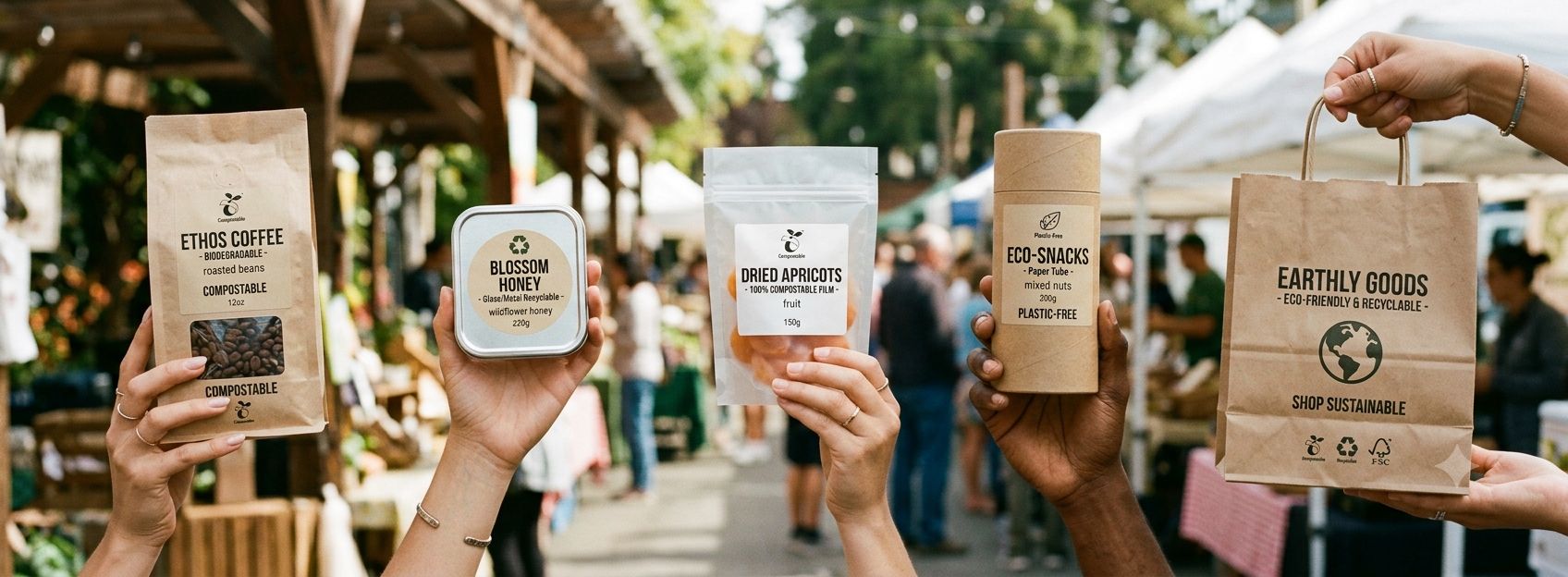
A few years ago, most customers came to us asking about price, printing colors, and delivery time. Today, many brand owners ask different questions:
“Can this packaging structure be recycled?”
“Will this material still be suitable for future EU requirements?”
“Does your factory already have experience with PPWR-related packaging changes?”
At DINGLI PACK, we started preparing earlier because we understand one thing: when a brand changes packaging, it is not just changing a bag. It affects production cost, shelf appearance, product protection, and customer trust.
In this article, we will take you inside our factory and share what we have actually changed to build more PPWR-ready packaging for global brands — and how these improvements can help reduce risks during your packaging transition.
For brands looking for a supplier that understands upcoming European packaging trends, you can also learn more about our PPWR packaging solutions.
1. Material Selection Changes: We Started With Packaging Structures

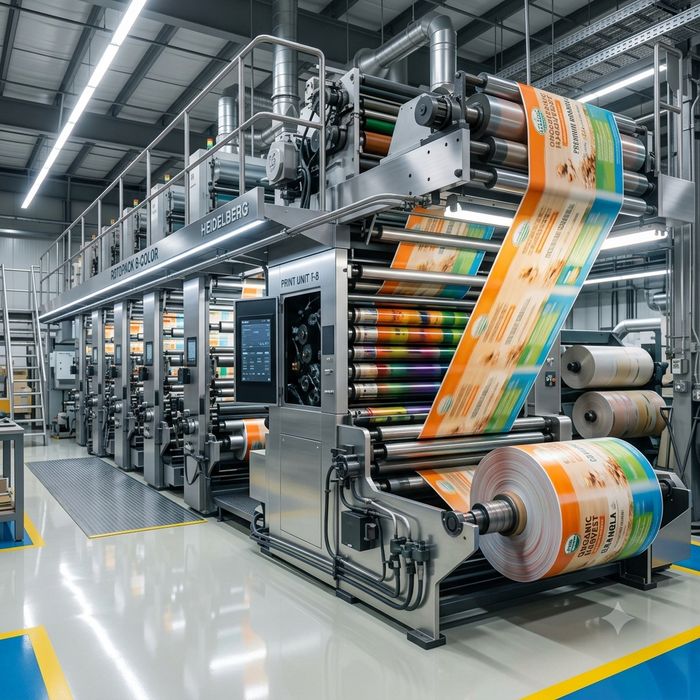
The first change happened before the machines started running.
It happened in the material room.
Traditional flexible packaging has always depended on multi-layer structures because they work well. For example, PET/AL/PE structures provide excellent barrier protection and are widely used for products that need protection from oxygen, moisture, or light.
To be honest, these structures are still useful for many applications. We do not believe every product should simply move to a new material because of a trend.
For example, some coffee, medical, or highly sensitive food products still need strong barrier performance. In these cases, removing layers too quickly may affect product quality.
But at the same time, we also see where the industry is going. More brands are looking for simpler structures that can better fit future recycling systems.
That is why we have invested more time in developing mono-material packaging and recyclable flexible packaging options.
Our engineers now evaluate packaging projects differently. Instead of asking only “Can we produce this pouch?”, we also ask:
- Is this material structure suitable for the product?
- Can we simplify the packaging design?
- Will it still protect the product during transportation and storage?
- Does it match the customer's target market?
For brands exploring recyclable alternatives, our recyclable mono PE stand up pouches are designed for companies that want to improve packaging sustainability while keeping the practical performance of flexible packaging.
Ready to Upgrade Your Packaging?
Explore recyclable, compostable and custom flexible packaging solutions designed for global brands.
2. Pre-Production Process Upgrade: Better Packaging Starts Before Printing
One lesson we have learned after many years in packaging manufacturing is this:
Most packaging problems are decided before production begins.
A beautiful design file does not always mean a successful packaging project.
We have received projects where customers already had artwork ready, but after checking the product requirements, we found the original material choice was not suitable.
Sometimes the problem is moisture protection. Sometimes it is sealing performance. Sometimes the packaging simply does not match the product's shelf life.
So we changed our workflow.
Before printing, our team now spends more time discussing:
- Product characteristics
- Storage conditions
- Transportation environment
- Required barrier performance
- Target market expectations
This approach helps brands avoid expensive redesigns later.
For beauty, food, and supplement companies looking for more practical sustainable packaging formats, we also provide eco fin seal pouches developed for refill and flexible packaging applications.
3. Printing Process Improvement: Maintaining Brand Quality With Sustainable Materials
Many customers have one concern when moving toward sustainable packaging:
“Will environmentally friendly packaging make my brand look less premium?”
This is a reasonable concern.
For consumer brands, packaging is not only protection. It is also the first salesperson standing on the shelf.
A customer may never see your factory, but they will see your packaging every day.
That is why we did not only focus on changing materials. We also improved how sustainable packaging is printed and finished.
Our production team pays more attention to:
- Color consistency between batches
- Ink adhesion performance
- Printing accuracy
- Surface appearance after lamination
Because in the real market, sustainable packaging still needs to sell. A package must look good, feel reliable, and represent the brand properly.
For brands requiring functional packaging with customized printing, we also develop custom printed spout pouches for cosmetics, skincare, and household applications.
4. Lamination Process Optimization: Improving Packaging Performance
Printing gets attention because customers can see it. But inside a flexible packaging factory, lamination is where many important things actually happen.
A pouch may look perfect from the outside, but if the lamination process is not stable, problems can appear later — peeling layers, weak sealing, poor barrier performance, or packaging failure during transportation.
Over the years, we have learned that sustainable packaging is not only about choosing a greener material. The manufacturing process behind that material matters just as much.
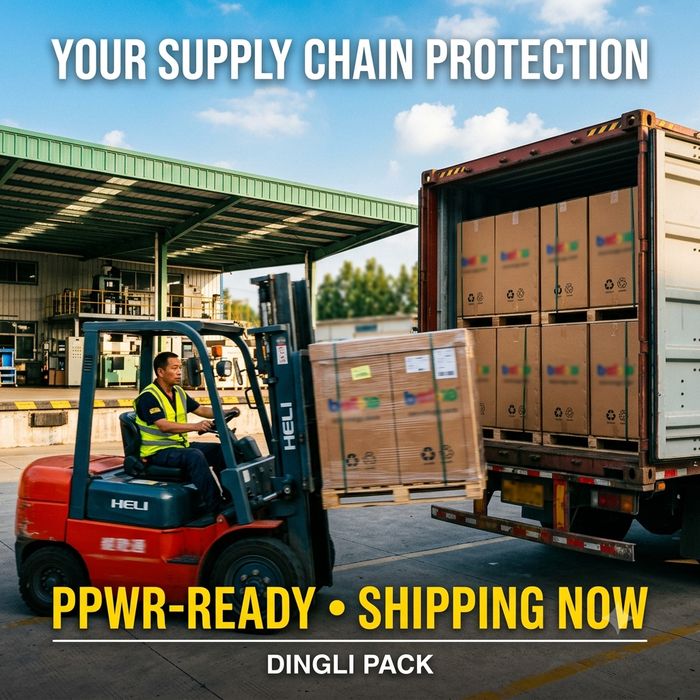
When developing more recyclable packaging structures, we pay closer attention to the relationship between different films, adhesive performance, and production conditions.
Our lamination process improvements focus on several practical areas:
- Better control of adhesive application
- More stable film bonding performance
- Improved curing management
- Consistent quality between production batches
One thing we always tell our customers: a packaging material can look great on a specification sheet, but it still needs to survive real production and real use.
That is why we test packaging structures based on actual applications instead of only following market trends.
For example, a refill pouch for household products may need different performance compared with a snack pouch. A supplement bag may require stronger moisture protection than a dry food package.
The right solution is not always the most expensive one. It is the one that matches the product.
For brands exploring natural-looking sustainable packaging, we also provide biodegradable kraft zipper pouches for organic food, superfood, and specialty product brands.
Need A Reliable Packaging Manufacturing Partner?
Work directly with an experienced flexible packaging factory for custom development and stable production.
5. Quality Inspection Upgrade: More Testing Before Products Reach Customers
In packaging manufacturing, quality problems are expensive.
A small issue during production can affect thousands of bags. For a growing brand, this can mean delayed launches, extra costs, or even damage to customer trust.
That is why we have strengthened our quality inspection process at different stages — not only checking the final products.
Raw Material Inspection
Before production starts, incoming materials are checked for specifications, appearance, and consistency.
This step is especially important for recyclable and compostable packaging because different film structures can behave differently during printing, lamination, and sealing.
Production Monitoring
During manufacturing, our team monitors key details including:
- Printing color stability
- Bag dimensions
- Sealing strength
- Overall appearance
Finished Product Testing
Before shipment, finished packaging goes through inspection to make sure the products meet customer expectations.
For us, being a reliable packaging supplier is not about saying “we can make it.” It is about making sure every production batch performs the way customers expect.
6. Production Planning Changes: Reducing Waste During Manufacturing
When people talk about sustainable packaging, they often focus on the final package.
But from a factory perspective, sustainability also happens during production.
Every roll of film, every printing process, and every production adjustment affects material usage.
Over time, we have worked on improving production planning to reduce unnecessary waste while maintaining product quality.
Some practical improvements include:
- Improving material utilization during production planning
- Reducing avoidable setup waste
- Optimizing production scheduling
- Improving batch consistency
Of course, no factory can achieve zero waste. Anyone who promises that is not being realistic.
Printing and packaging production always involve some level of material loss. The important thing is continuously finding ways to reduce unnecessary waste and improve efficiency.
This is also why we believe sustainable packaging is not only a product choice. It is a manufacturing mindset.
7. Our Factory Is Moving Toward a More Flexible Packaging Future
After working with brands from different markets, we have noticed one important change:
Customers are no longer looking for just a packaging supplier. They are looking for someone who can help them make better decisions.
A good packaging partner should understand more than printing and production. They should understand the product, the market, and the challenges brands may face in the future.
At DINGLI PACK, we continue improving our capabilities in:
- Recyclable flexible packaging development
- Compostable packaging solutions
- Custom pouch manufacturing
- Production quality management
We know that not every brand needs the same packaging solution.
Some companies need recyclable packaging for EU markets. Some need compostable options for a specific product category. Others simply need a reliable factory that can improve their existing packaging.
Our job is not to push one solution to everyone. Our job is to understand your product and find the packaging structure that makes sense.
From recyclable pouches to compostable alternatives, we continue working with brands that want packaging solutions built for today’s market and tomorrow’s challenges.
If you are planning a packaging upgrade, entering the EU market, or looking for a more suitable material structure, our team can help you evaluate your options.
Every product is different. Sometimes recyclable packaging is the right choice. Sometimes compostable packaging makes more sense. The key is choosing the solution based on real product needs.
Contact DINGLI PACK to discuss your packaging requirements and explore a suitable solution: Contact Our Packaging Experts
Learn more about our manufacturing capabilities and custom packaging solutions: DINGLI PACK Flexible Packaging Manufacturer
Questions Brands Ask
At DINGLI PACK, we focus on practical packaging improvements that help brands reduce risks and prepare for future requirements. |
What is PPWR compliant packaging and why does it matter?PPWR is changing how brands evaluate packaging materials and structures in Europe. It encourages better recyclability and more responsible packaging design. At DINGLI PACK, we help brands develop PPWR compliant packaging by reviewing material choices, production methods, and product requirements before manufacturing. Is recyclable packaging suitable for food and consumer products?Not every product requires the same structure. Some foods need stronger barriers, while other products can use simpler designs. We evaluate product protection, shelf life, and transportation conditions before recommending recyclable packaging that fits the application. How can brands choose the right sustainable packaging supplier?A reliable supplier should understand materials, printing, production limitations, and export requirements. With years of manufacturing experience, DINGLI PACK works as a sustainable packaging manufacturer helping brands select practical packaging solutions instead of simply following trends. What is the difference between recyclable and compostable packaging?Recyclable packaging is designed for recycling systems, while compostable packaging is designed to break down under suitable composting conditions. The right choice depends on your market and product requirements. We provide compostable packaging bags for brands exploring alternative material options. Can sustainable packaging still have premium printing quality?Yes. Sustainable packaging does not mean sacrificing brand appearance. With proper printing control and production experience, brands can achieve strong shelf appeal. Many companies choose our custom printed pouches when they need both attractive design and sustainable packaging direction. What should brands prepare before changing packaging?Before changing packaging, brands should understand product protection needs, filling equipment, target market requirements, and expected order quantity. Our team helps customers develop suitable custom flexible packaging solutions based on real production conditions. |
Your Next Packaging Project Starts Here
Tell us your product requirements and get professional packaging recommendations from DINGLI PACK.
ONE-STOP PACKAGING SOLUTION - From Concept to Shelf in 7 Days
At DINGLI PACK, we know how stressful packaging can be for small brands, store owners, and startups. That’s why we focus on making it simple, reliable, and tailored to your needs. From stand up pouches, coffee bags with valves, flat bottom bags, spout pouches, shrink sleeves...
Our team provides hands-on support—from free package design and material advice to practical OEM guidance—making sure your product looks great and stays protected. Want to see us in action? Check our Video Center.
With a 5,000 m² workshop and 24/7 support, we deliver fast replies, consistent quality, and peace of mind. Stay updated with our tips and stories in the News Section, or explore all our solutions on the Products Page.
We’re more than a supplier—we’re a partner who understands the challenges of growing a brand and is ready to make your packaging shine.
NEXT PACKAGING STEP
Find The Packaging Solution That Fits Your Brand
Every product has different requirements. Material structure, barrier performance and end-use application all influence the right packaging choice.
Learn More About The Future Of Packaging
Explore materials, regulations and packaging trends shaping global brands.
Need Help Choosing Your Next Packaging Structure?
Our packaging team can help evaluate materials, applications and production requirements before manufacturing.
Address
Block B-29,
VanYang Crowd Innovation Park ,
No 1 ShuangYang Road,
YangQiao Town, BoLuo District,
HuiZhou City, 516157, China
Phone
Support: +86 13410678885
Hours
Monday-Friday: 9am to 6pm
Saturday, Sunday: Closed


Post time: Jul-28-2026