
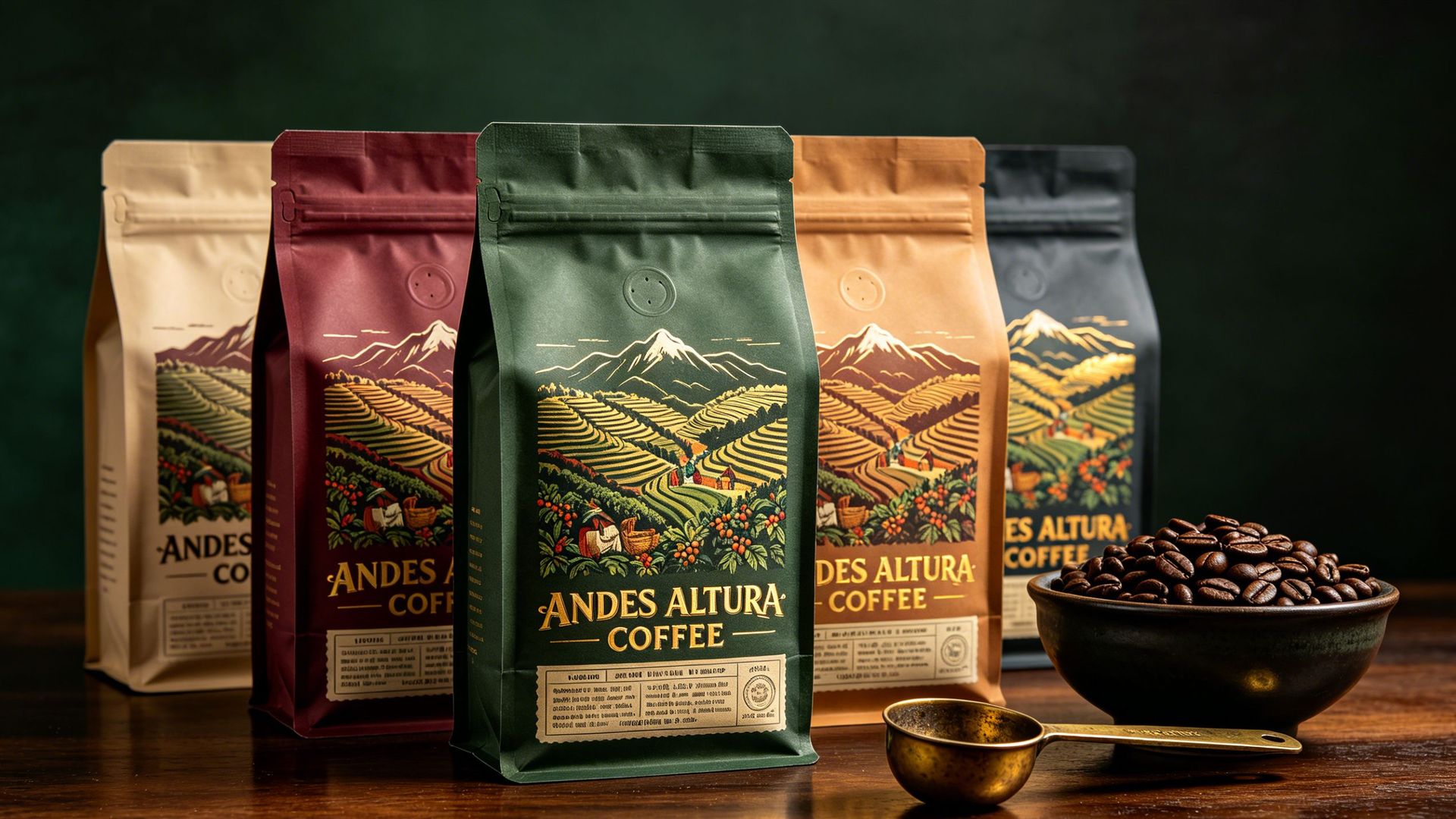
Have you ever packed a fresh batch of coffee, everything looks perfect, and then a few days later the bags start to go soft, collapse, or even feel like they are slowly “breathing out” air?
It sounds like a small packaging issue, honestly. But in real B2B production, it’s usually not small at all. Coffee bag leakage can quietly turn into flavor loss, customer complaints, and even full batch rejection if you don’t catch it early.
At DINGLI PACK, we’ve seen this situation more times than we can count. And most of the time, the root cause isn’t just one thing—it’s a mix of sealing, material, and handling issues working together in the wrong way.
In fact, many premium roasters we work with eventually switch to a more stable structure like custom flat bottom coffee bags with one-way valve simply because consistency matters more than anything else at scale.
1. How to Know If Your Coffee Bags Are Actually Leaking

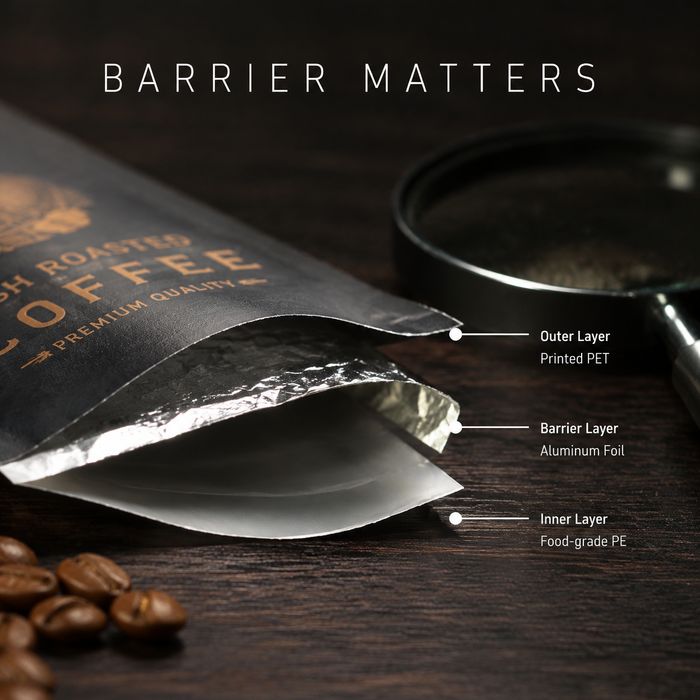
Not every soft or slightly inflated bag means something is wrong. Coffee is alive in a sense—it releases CO₂ after roasting. So there is a normal “breathing phase”.
The tricky part is telling the difference between normal degassing and real leakage.
Here’s a simple way to think about it: if the bag stabilizes after a few days, you’re fine. But if it keeps losing pressure, or the aroma drops noticeably, then you’re likely dealing with a seal or barrier failure.
We often see this especially in formats like custom printed coffee packaging bags, where brands focus heavily on design but sometimes underestimate technical sealing consistency.
Stop Coffee Bag Leakage Before It Costs Your Brand
Stable sealing starts from the right packaging structure — not guesswork.
2. The Real Reasons Coffee Bags Leak Air
Let’s get into the actual production side. Most leakage issues fall into a few repeatable categories. Once you understand them, it becomes much easier to control.
2.1 Weak heat sealing (this is the big one)
If the sealing process is not stable, everything else fails. Temperature fluctuates just slightly—maybe ±5°C—and suddenly you get weak zones along the seal line.
Or pressure is too low, and the film looks sealed but is not actually fused. We call this a “false seal” in production. It holds… until it doesn’t.
This becomes even more critical when working with high-barrier structures like aluminum foil packaging bags, where sealing behavior is less forgiving than standard films.
2.2 Material barrier is not strong enough
Sometimes the problem is not sealing—it’s the film itself. Low barrier materials allow oxygen to slowly pass through. You don’t notice it on day one, but over time the coffee just feels “flat”.
This is why many brands move toward more stable structures like eco friendly packaging bags, which balance sustainability with barrier performance.
For stronger protection, some roasters still rely on mylar bags because they offer very stable oxygen resistance in long-distance shipping.
2.3 One-way valve issues
The valve is a small component, but it carries a lot of responsibility. If it’s poorly welded or blocked, gas either cannot escape properly—or worse, air slowly gets in.
This is especially important in premium roastery packaging like flat bottom coffee bags for roasters, where valve performance directly affects brand reputation.
2.4 Micro defects and pinholes
You can’t always see them, but they exist. Tiny pinholes caused during production or handling can slowly compromise the entire bag.
2.5 Transport and compression damage
Even perfect packaging can fail after it leaves the factory. Heavy stacking, sharp carton edges, or long-distance vibration can create stress points.
We’ve seen cases where everything passed QC, but failed after logistics. That’s why structure matters just as much as sealing.
Your Coffee Packaging Should Not Fail in Transit
From sealing precision to barrier structure — we help brands eliminate weak points at scale.
3. How DINGLI PACK Helps Brands Reduce Leakage to Near Zero
At DINGLI PACK, we don’t treat leakage as a single defect. We treat it as a system problem—material, machine, structure, and process all at once.
That’s also why many brands eventually choose us as their long-term partner instead of switching suppliers every year.
3.1 Custom packaging solutions
We design based on roast level, gas release rate, filling machines, and even shipping conditions. It’s not one-size-fits-all, and it shouldn’t be.
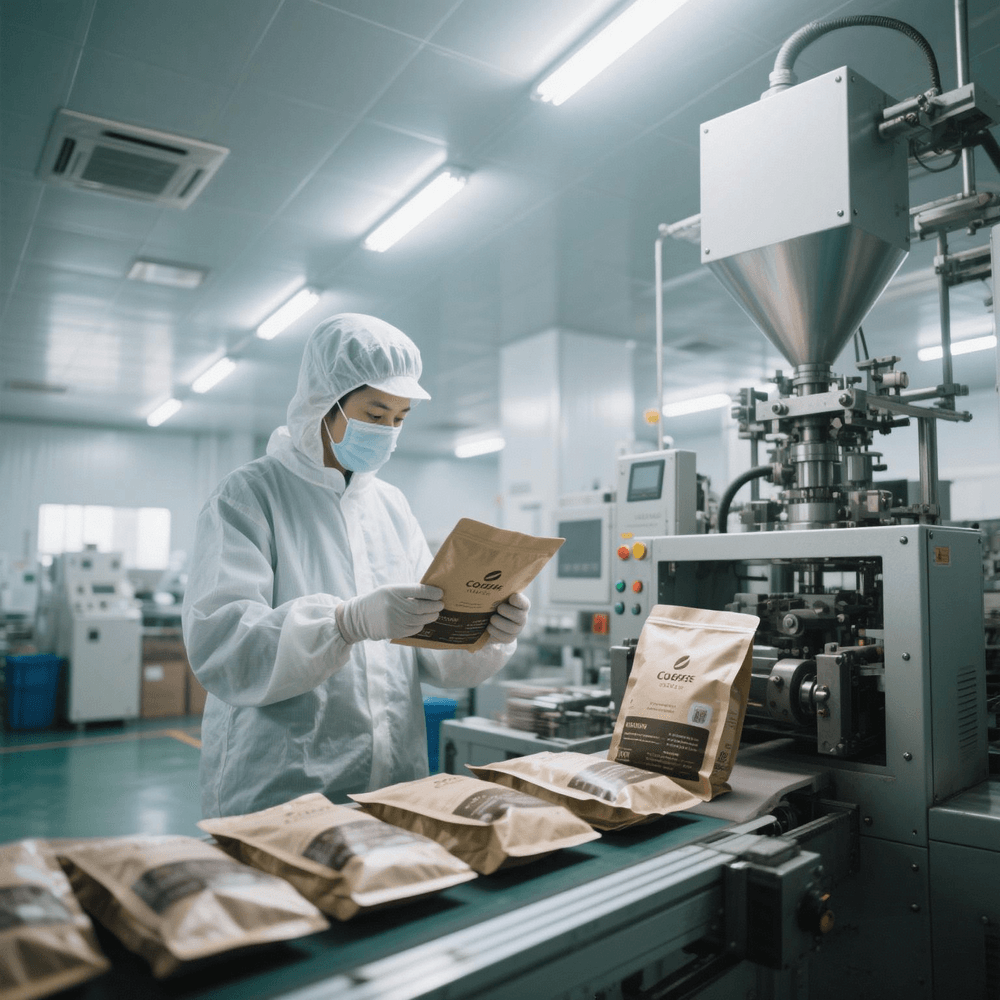
3.2 Strict quality control
Every batch goes through sealing tests, pressure testing, and full inspection systems. Nothing is left to chance.
We also work under international quality frameworks aligned with organizations like ISO standards, which many global brands already require.
3.3 Real technical support
We don’t just ship bags. We help adjust sealing parameters, support machine setup, and even troubleshoot production issues remotely or on-site when needed.
And for export-focused brands, we always keep compliance in mind with guidelines from authorities like the U.S. FDA, especially for food-contact packaging.
Final Thought
Coffee bag leakage rarely comes from a single mistake. It’s usually a chain reaction—small issues stacking up until the bag fails.
The good news is that once you understand the system behind it, it becomes very manageable.
And if you ever feel like your packaging line is “almost there but not stable yet”, that’s exactly the point where engineering support makes the biggest difference.
You can always reach out through contact DINGLI PACK or explore more solutions on our official website.
Frequently Asked Questions About Coffee Bag Air Leakage
A: This is usually caused by creep failure. The seal may look perfect initially, but internal CO₂ pressure gradually stresses weak bonding zones. Over time, micro-cracks appear and cause leakage. In many cases involving custom coffee packaging bags wholesale, we see issues related to low sealing temperature, unstable valve bonding, or microscopic film defects. We recommend 7-day and 30-day stability testing before shipment approval.
Q1: Why do coffee bags seem fine right after production but start leaking air later?
A: Not necessarily. Fresh coffee releases CO₂ naturally, especially within the first days after roasting. That’s why structures like one-way valve coffee bags supplier solutions are essential. However, if the bag continuously deflates or loses aroma, it indicates real oxygen ingress rather than normal degassing.
Q2: Is air inside coffee bags always a sign of leakage?
A: The most common issue is inconsistent heat sealing. When sealing temperature, pressure, or dwell time is not stable, weak bonding areas form. In production of aluminum foil coffee packaging bags wholesale, even a ±5°C fluctuation can create micro-leak channels that are not visible during inspection.
Q3: What is the most common cause of coffee packaging leakage?
A: Yes, but material selection is critical. Modern eco friendly coffee packaging bags OEM structures can achieve strong oxygen and moisture resistance when correctly engineered. The key is balancing recyclability with multilayer barrier design, especially for export markets with long transit times.
Q4: Can eco-friendly coffee bags maintain good barrier performance?
A: A faulty valve may allow oxygen backflow or fail to release CO₂ efficiently. This often appears as uneven bag swelling or aroma loss. In flat bottom coffee bags manufacturer solutions, valve integration quality is as important as the valve itself. Improper welding or contamination is the most common root cause.
Q5: How do I know if the one-way valve is failing?
A: Yes. Compression, vibration, and stacking pressure during logistics can damage seals or create micro pinholes. We often see this in large-scale shipments of mylar coffee packaging bags bulk. Structural reinforcement and carton design are essential to avoid post-production failure.
Q6: Can transportation cause coffee bag leakage?
A: A pinhole is a micro-defect in the film itself, while a seal leak occurs at the bonded edge. Both can cause oxygen ingress, but pinholes are harder to detect. In high-barrier custom printed coffee packaging supplier systems, both require separate inspection methods like pressure decay testing and visual scanning.
Q7: What is the difference between a pinhole and a seal leak?
A: Yes, structurally they are more stable and distribute pressure evenly across all panels. This reduces stress concentration on seals. Many roasters choose flat bottom coffee bags wholesale packaging because it improves both shelf stability and transport durability.
Q8: Do flat bottom coffee bags reduce leakage risk?
A: This usually indicates oxygen permeation through low-barrier materials rather than visible leakage. Some films used in coffee packaging bags manufacturer solutions are not designed for long shelf life, especially under fluctuating temperature conditions.
Q9: Why does aroma fade even when the bag looks sealed?
A: At DINGLI PACK, we combine material engineering, sealing optimization, and full inspection systems to minimize failure risk. For custom coffee packaging OEM supplier solutions, we also provide machine parameter guidance, sampling validation, and 24-hour technical support to ensure stable mass production with extremely low leakage rates.
Q10: How does DINGLI PACK help prevent coffee bag leakage at scale?
Build Coffee Packaging That Actually Holds Up
Work directly with a factory that understands leakage, sealing, and real production pressure.
ONE-STOP PACKAGING SOLUTION - From Concept to Shelf in 7 Days
At DINGLI PACK, we know how stressful packaging can be for small brands, store owners, and startups. That’s why we focus on making it simple, reliable, and tailored to your needs. From stand up pouches, coffee bags with valves, flat bottom bags, spout pouches, shrink sleeves...
Our team provides hands-on support—from free package design and material advice to practical OEM guidance—making sure your product looks great and stays protected. Want to see us in action? Check our Video Center.
With a 5,000 m² workshop and 24/7 support, we deliver fast replies, consistent quality, and peace of mind. Stay updated with our tips and stories in the News Section, or explore all our solutions on the Products Page.
We’re more than a supplier—we’re a partner who understands the challenges of growing a brand and is ready to make your packaging shine.
Address
Block B-29,
VanYang Crowd Innovation Park ,
No 1 ShuangYang Road,
YangQiao Town, BoLuo District,
HuiZhou City, 516157, China
Phone
Support: +86 13410678885
Hours
Monday-Friday: 9am to 6pm
Saturday, Sunday: Closed


Post time: Jul-06-2026