
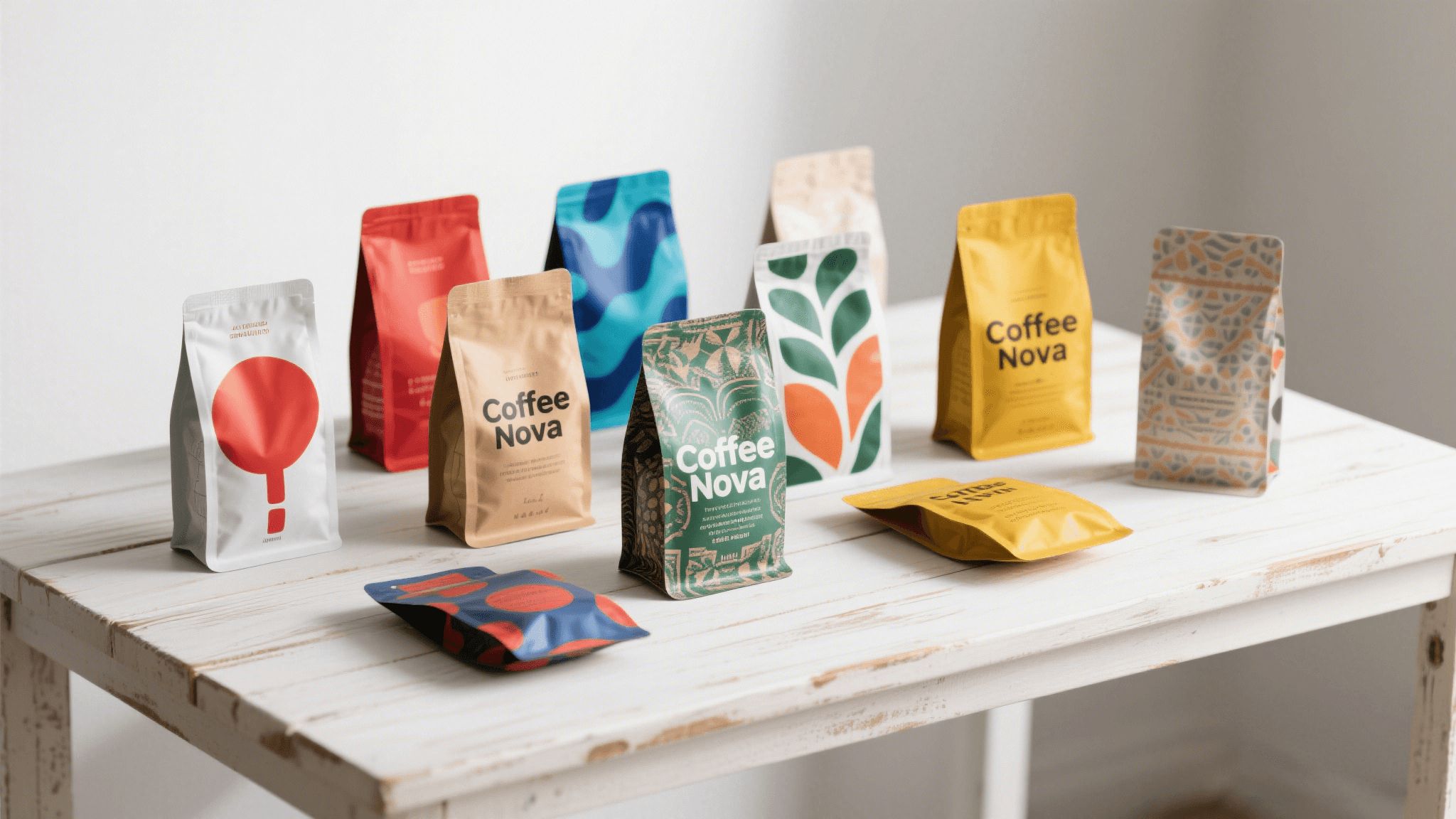
Have you noticed how packaging requirements suddenly feel… stricter than they used to be? Especially if you’re selling food, coffee, pet products or anything that crosses into the EU or US market. The truth is, it’s not just a trend. It’s regulation catching up with chemistry. PFAS-free packaging has moved from a “nice-to-have” to something closer to a market entry condition. And if you’re already dealing with compliance pressure like PPWR, you’ll find this connects directly with PFAS-free and EU packaging compliance solutions .
PFAS stands for Per- and Polyfluoroalkyl Substances. These are synthetic chemicals widely used in packaging because they resist grease, water, and oil. Sounds useful, right? The problem is they don’t break down easily, not in nature, not in the human body either. That’s why “PFAS-free packaging” simply means packaging materials that avoid intentionally added PFAS compounds while still maintaining functional barriers through safer alternatives.
If you want a more technical definition, PFAS-free packaging refers to materials designed for food contact and industrial use without fluorinated chemical coatings. Instead, they rely on alternative barrier systems such as water-based coatings or mono-material structures. It’s a shift in material science, not just a labeling change.
Why PFAS Is Being Restricted Globally

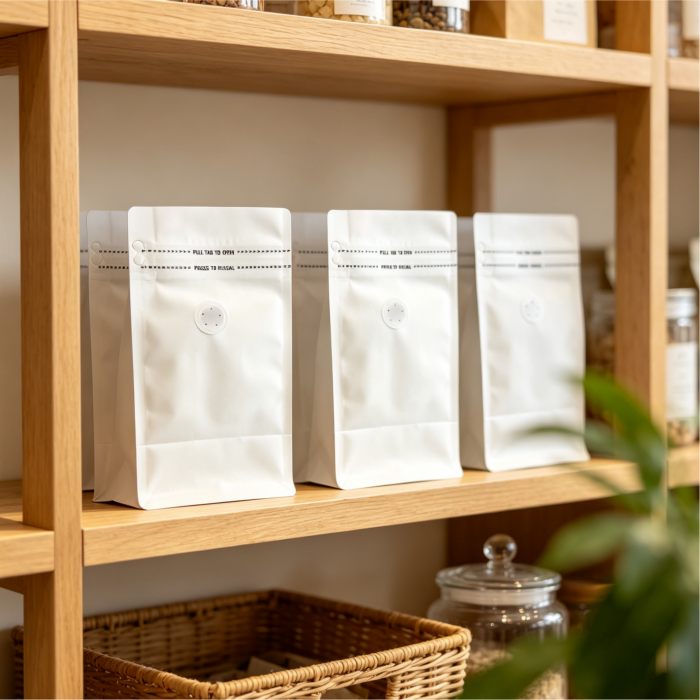
The restriction didn’t happen overnight. It’s been building for years. Research kept pointing to the same issue: PFAS doesn’t go away. Once it enters water systems or soil, it can persist for decades. Some studies even call them “forever chemicals,” which is a bit dramatic but not far from reality.
Health concerns are a big part of the regulatory shift. The International Agency for Research on Cancer (IARC) has evaluated certain PFAS compounds in relation to potential carcinogenic risks. You can explore their classification framework here: IARC cancer research classification . Findings have linked long-term exposure to possible effects on immune response, thyroid function, and other biological systems. Nothing is framed as absolute certainty, but the risk profile is enough to push regulators into action.
Environmentally, it gets even more complicated. PFAS compounds have been detected in groundwater and drinking water systems across multiple countries. The US Environmental Protection Agency has been actively tightening guidelines around PFAS contamination: EPA PFAS regulatory overview . Once these substances spread into ecosystems, removal is extremely expensive and technically difficult, which is why prevention is now the priority.
PFAS-Free Packaging vs Traditional Packaging
It’s easy to think traditional packaging is “good enough” because it works. And in many ways, it does. But when you compare the two systems side by side, the trade-offs become clearer.
PFAS-based packaging usually performs well in grease resistance, especially for fast food or oily products. However, PFAS-free alternatives achieve similar functionality through different material design, not chemical coatings. The difference shows up in recyclability and long-term environmental impact.
In practical terms: PFAS packaging often scores higher in short-term performance but lower in compliance readiness. PFAS-free packaging tends to be slightly more expensive but significantly more future-proof. For brands exporting to regulated markets, that trade-off is becoming increasingly hard to ignore.
How PFAS-Free Packaging Is Actually Made
This is where things get more interesting. Because removing PFAS doesn’t mean removing functionality. It just means changing the engineering approach behind the barrier layer.
One common method is water-based coatings. Instead of fluorinated chemicals, manufacturers use water-based formulations to create grease resistance. Another approach is PLA-based bio coatings, which come from renewable resources and are increasingly used in food packaging.
Then there’s mono-material PE structure design. This is especially important for recyclability. Instead of mixing multiple plastic layers that are hard to separate, mono-material systems focus on single-polymer structures that fit into existing recycling streams. You can see an example here: mono-material recyclable packaging solutions .
In many cases, PFAS-free solutions are already being used in coffee, tea, pet food, and bakery packaging. These are high-demand categories because they deal with oil, moisture, and aroma protection at the same time. For example: eco-friendly coffee packaging bags for roasters .
Why Brands Are Switching Now
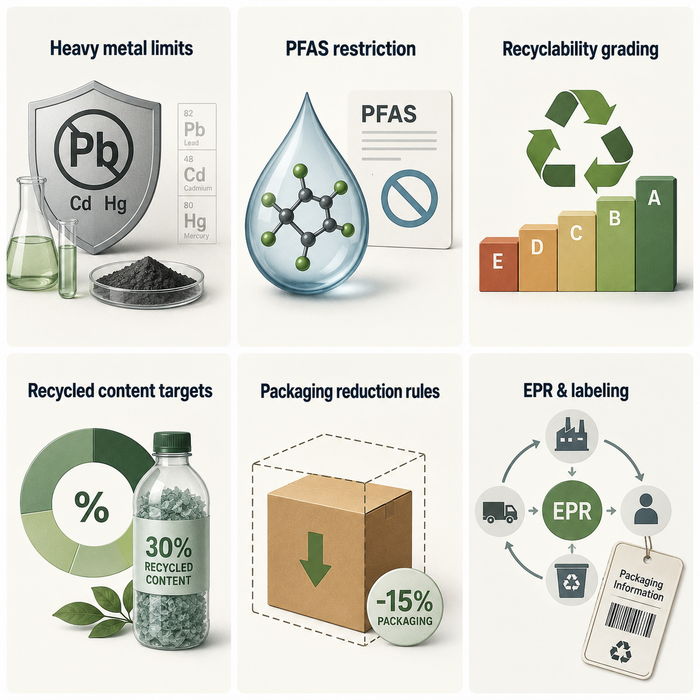
There are three main drivers behind the shift, and they all reinforce each other. First is regulation. The EU Packaging and Packaging Waste Regulation (PPWR) is pushing for stronger material accountability. Second is consumer expectation. People are paying attention to what packaging is made of, even if they don’t always say it directly. Third is export risk management.
In a way, PFAS-free packaging is less about “being green” and more about staying commercially safe in regulated markets.
Choosing a PFAS-Free Packaging Supplier
This part often gets underestimated. Not all suppliers use the same definition of PFAS-free, and not all can provide proper documentation. At minimum, brands should look for test reports, regulatory compliance with FDA and EU food-contact standards, and a clear material traceability system.
At DINGLI PACK, PFAS control is integrated into the entire production system rather than treated as a single test step. Every batch goes through third-party verification, including SGS testing, ensuring compliance with EU and US requirements. If you want to discuss specific packaging needs, you can reach us directly here: contact DINGLI PACK packaging team .
More broadly, our sustainable packaging systems cover recyclable structures, compostable materials, and mono-material solutions designed for export markets. You can explore the full range on our official packaging solutions .
Final Thoughts
PFAS-free packaging is not really a packaging trend anymore. It’s becoming part of the baseline expectation for global trade. Some brands are still in the transition phase, others have already moved fully into compliant systems. The gap between the two is closing faster than most people expect.
If there’s one practical takeaway, it’s this: packaging decisions today are no longer just about cost or appearance. They’re about whether your product can enter the market tomorrow without friction.
Frequently Asked Questions (FAQ) About PFAS-Free Packaging
PFAS-free packaging refers to packaging materials without intentionally added fluorinated chemicals used for grease and water resistance. In global B2B trade, PFAS-free packaging has become a core requirement for eco-friendly packaging supplier solutions targeting food and retail exports to the EU and US.
1. What is PFAS-free packaging?
Regulatory pressure in the EU and US is increasing due to environmental and health concerns. Many brands are shifting toward PFAS-free packaging as part of their long-term green packaging compliance strategy for export markets.
2. Why is PFAS-free packaging required in global markets?
Yes. PFAS-free packaging is tested under FDA and EU food-contact standards to ensure safety. It is widely used in sustainable packaging product solutions for coffee, snacks, and pet food industries.
3. Is PFAS-free packaging safe for food contact?
Food, coffee, bakery, fast food, and pet food industries rely heavily on PFAS-free packaging due to grease and moisture exposure. DINGLI PACK supports global brands with custom green packaging product manufacturing solutions for export markets.
4. Which industries need PFAS-free packaging the most?
PFAS-free packaging uses water-based coatings, PLA bio-based layers, and mono-material PE structures. These are widely adopted in modern green packaging supplier systems focused on recyclability and reduced environmental impact.
5. What materials are used in PFAS-free packaging?
It can be slightly more expensive due to advanced material technology, but many brands consider it a long-term investment in compliance. DINGLI PACK supports scalable PFAS-free packaging solutions for B2B buyers focused on sustainable procurement.
6. Is PFAS-free packaging more expensive than traditional packaging?
Always request third-party test reports such as SGS or Intertek. Professional PFAS-free packaging manufacturers provide full documentation as part of certified B2B export packaging services.
7. How can I verify if packaging is truly PFAS-free?
Yes, especially mono-material structures designed for recycling systems. Many eco-friendly packaging product lines are optimized for both performance and circular economy compatibility.
8. Can PFAS-free packaging be recyclable?
PFAS-free packaging focuses on chemical safety, while compostable packaging focuses on end-of-life biodegradability. Both play important roles in modern green packaging product strategies for global brands.
9. What is the difference between PFAS-free and compostable packaging?
You can contact a professional manufacturer for OEM/ODM customization and export support. DINGLI PACK provides full PFAS-free packaging manufacturing services for global B2B food, coffee, and retail brands.
10. How can I order PFAS-free packaging for my brand?
ONE-STOP PACKAGING SOLUTION - From Concept to Shelf in 7 Days
At DINGLI PACK, we know how stressful packaging can be for small brands, store owners, and startups. That’s why we focus on making it simple, reliable, and tailored to your needs. From stand up pouches, coffee bags with valves, flat bottom bags, spout pouches, shrink sleeves...
Our team provides hands-on support—from free package design and material advice to practical OEM guidance—making sure your product looks great and stays protected. Want to see us in action? Check our Video Center.
With a 5,000 m² workshop and 24/7 support, we deliver fast replies, consistent quality, and peace of mind. Stay updated with our tips and stories in the News Section, or explore all our solutions on the Products Page.
We’re more than a supplier—we’re a partner who understands the challenges of growing a brand and is ready to make your packaging shine.
Address
Block B-29,
VanYang Crowd Innovation Park ,
No 1 ShuangYang Road,
YangQiao Town, BoLuo District,
HuiZhou City, 516157, China
Phone
Support: +86 13410678885
Hours
Monday-Friday: 9am to 6pm
Saturday, Sunday: Closed


Post time: Jun-30-2026