

PPWR is not asking brands to buy the most expensive packaging on the market. The goal is to push companies toward better packaging decisions — less unnecessary material, better recyclability, and more responsible packaging structures.
A smart packaging upgrade does not always mean spending more. Sometimes it means choosing a better material structure, reducing unnecessary layers, or working with a supplier who understands both production and EU market requirements.
At DINGLI PACK, we help growing brands move toward more sustainable solutions, including custom compostable packaging bags for different industries. Our job is not simply to sell a greener material. We help brands find a practical balance between sustainability, product protection, and real production costs.
What Is PPWR and Why Should Small Brands Care?

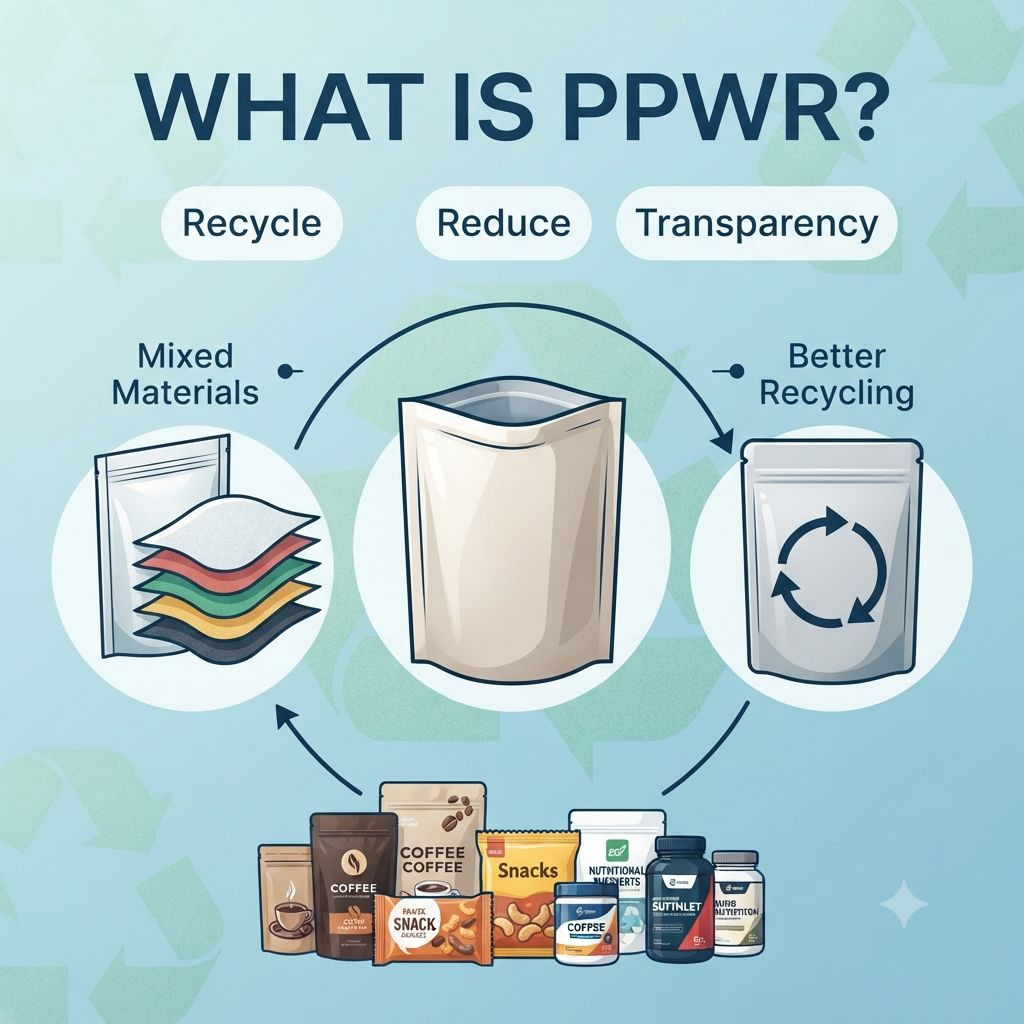
PPWR stands for Packaging and Packaging Waste Regulation. It is a new European Union regulation designed to reduce packaging waste, improve recycling systems, and encourage more sustainable packaging choices.
You can check the official information from the European Commission here: EU Packaging and Packaging Waste Regulation .
From our experience working with overseas customers, many small businesses misunderstand PPWR at the beginning. They often think:
- “Do I need to change all my packaging immediately?”
- “Will sustainable packaging make my product much more expensive?”
- “Do I need the same packaging solution as a large multinational brand?”
The answer is usually no.
Large brands and small brands have different packaging strategies. A global company may invest heavily in complete packaging redesigns, but a small business needs a more flexible approach.
For many small brands, the better solution is to upgrade step by step. Start with your best-selling products, improve the packaging structure, and then expand the changes when the timing and budget are right.
This is also why choosing the right packaging supplier matters. A supplier who only focuses on production price may not help you avoid future compliance problems.
Key PPWR Requirements Every Small Brand Should Know
You do not need to become a packaging regulation expert. But before choosing your next packaging order, there are three areas every brand owner should understand.
1. Packaging Must Become More Recyclable
One major focus of PPWR is improving packaging recyclability.
For many years, flexible packaging has used multi-layer structures because they provide excellent protection. Materials like PET/AL/PE are popular because they protect products from oxygen, moisture, and light.
However, the challenge is that mixed materials can be harder to recycle. This is why more brands are looking into mono-material recyclable packaging.
Mono-material does not mean it is perfect for every product. Some products with extremely high barrier requirements may still need advanced structures. For example, coffee, oily foods, or products sensitive to oxygen need careful testing before changing materials.
But for many snacks, dry foods, and everyday products, recyclable mono-material solutions can be a practical direction.
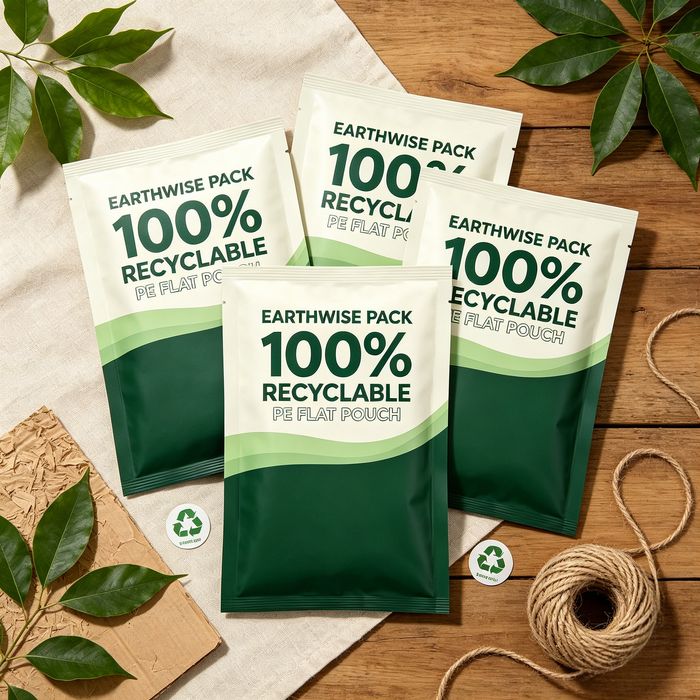
DINGLI PACK provides options such as mono material recyclable flat pouches, helping brands simplify packaging structures while keeping good printing quality and product protection.
2. Reduce Excess Packaging Materials
Another important PPWR goal is reducing unnecessary packaging.
This is actually something many small brands can improve without increasing their budget.
Sometimes customers come to us asking for a “more sustainable” package, but after checking their current design, we find the bigger issue is not the material. The pouch size is too large, the structure has unnecessary layers, or the packaging uses more material than the product really needs.
A smaller and smarter package can help reduce:
- Material usage
- Shipping weight
- Storage space
- Total packaging cost
Sustainability is not always about adding new features. Sometimes it is simply about removing what is unnecessary.
3. More Transparency About Packaging Materials
Another change small brands should prepare for is better packaging information.
In the future, brands will need a clearer understanding of what materials are used, whether packaging can enter recycling systems, and what documentation their suppliers can provide.
This is where many businesses realize that packaging suppliers are not only manufacturers anymore. A good supplier should also help with material selection, production advice, and compliance preparation.
At DINGLI PACK, we work with brands to choose suitable packaging based on their product, market, and budget instead of simply recommending the most expensive option.
Does PPWR Mean Higher Packaging Costs for Small Brands?
This is probably the biggest concern we hear from small brand owners: “If I need more sustainable packaging, will my packaging cost increase a lot?”
The honest answer is: it depends.
Some sustainable packaging options do cost more, especially when they require special materials, new production processes, or additional testing. For example, compostable materials usually have a higher cost compared with traditional plastic structures because the raw materials and manufacturing process are different.
But PPWR compliance does not mean every brand needs to choose the most expensive option.
In many cases, the biggest cost comes from making the wrong decision too early. We have seen brands order completely new packaging for every product before understanding their real market needs. Later, they discover some products could have used a simpler structure with lower costs.
A better approach is to look at your products one by one:
- What level of barrier protection does the product actually need?
- Does the customer value compostability, recyclability, or simply a lower environmental impact?
- Which products sell enough volume to justify a packaging upgrade?
For example, a premium organic snack brand may benefit from compostable packaging because sustainability is part of its brand story. But for a standard dry food product, a recyclable mono-material pouch may provide a better balance between cost and environmental performance.
The right packaging choice is not about choosing the “greenest” material. It is about choosing the right solution for your product and your customers.
How Small Brands Can Achieve PPWR Compliance Without Overspending
After working with brands from Europe, North America, and Australia, we found that the companies who handle sustainability upgrades well usually follow a simple rule:
Do not change everything at once. Improve your packaging step by step.
Strategy 1: Start With Your Highest Volume Products
For small brands, budget is always a practical issue. You do not need to replace every package in your product range in one order.
A smarter way is to start with your best-performing products.
For example:
- Top-selling products: Upgrade these first because they have the biggest market impact.
- New product launches: Use your new packaging strategy from day one instead of changing it later.
This approach reduces financial pressure and allows you to test customer feedback before investing in a full packaging transition.
Many growing brands we work with follow this method. They first upgrade their main products, collect feedback from customers, and then gradually expand the new packaging across their product lines.
Strategy 2: Choose Cost-Effective Sustainable Materials
Not every sustainable packaging solution works for every brand. The best choice depends on your product, shelf life requirements, branding goals, and budget.
Option 1: Mono-Material Recyclable Packaging
For many brands, mono-material recyclable packaging is one of the most practical options when preparing for future packaging requirements.
Compared with traditional multi-layer structures, mono-material solutions are designed with recycling compatibility in mind. They are widely used for products such as snacks, dry foods, pet treats, and supplements.
However, we always tell customers to check the product requirements first. If your product needs extremely high oxygen or moisture protection, the material structure needs professional evaluation.
DINGLI PACK offers recyclable mono-material packaging options for brands looking to improve recyclability while keeping flexible packaging advantages.
Option 2: Compostable Packaging
Compostable packaging is becoming more popular among brands that want a stronger sustainability message.
It can be a good choice for organic products, natural brands, specialty foods, and businesses whose customers actively care about environmental impact.
But there is something many packaging articles do not mention: compostable packaging is not automatically the best choice for everyone.
It usually requires more specific conditions for disposal, and the cost can be higher than recyclable alternatives. If your customers do not have access to proper composting systems, the environmental benefit may not be as strong as expected.
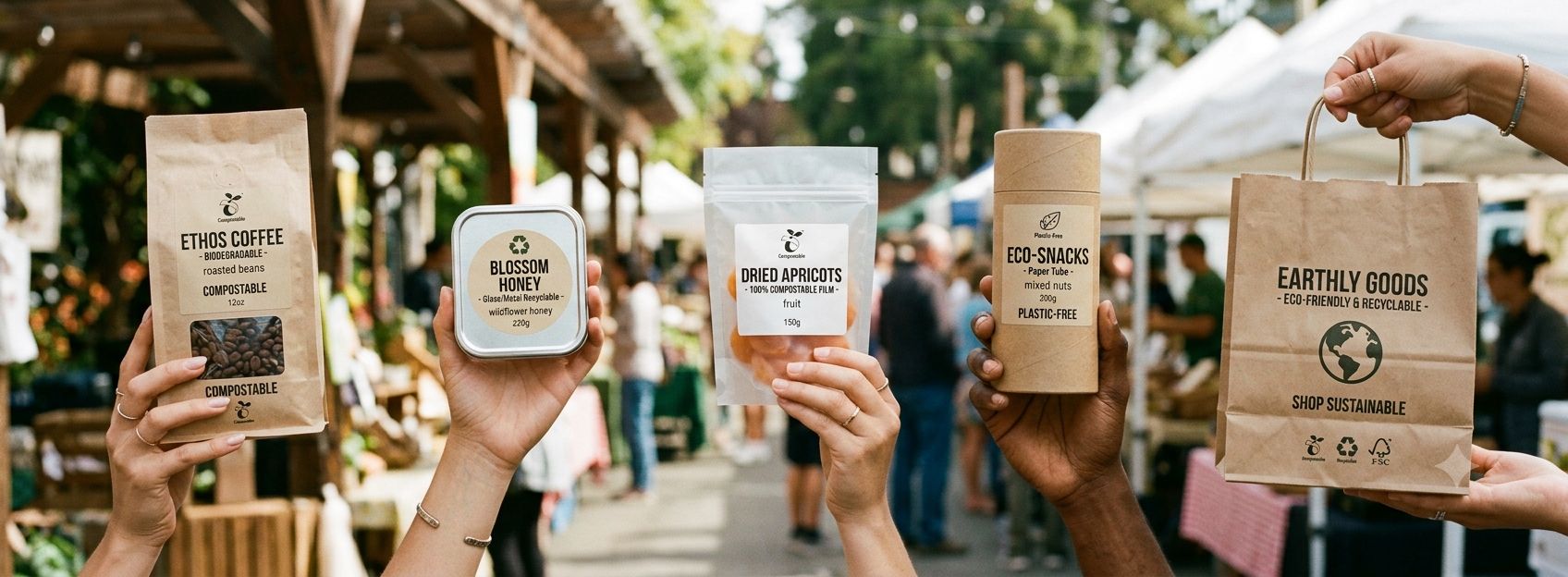
For brands that have a clear sustainability positioning, DINGLI PACK provides solutions such as custom printed compostable stand up pouches and PFAS free compostable stand up zipper pouches.
Option 3: Lightweight Flexible Packaging
Sometimes the easiest sustainability improvement is reducing material usage.
Flexible packaging already has advantages compared with many rigid packaging formats:
- Less material consumption
- Lower transportation weight
- Smaller storage footprint
For small brands, this can also mean better cost control.
A well-designed pouch can protect the product, improve shelf appearance, and reduce unnecessary packaging waste at the same time.
Option 4: Combine Testing for Similar Packaging Structures
This is a practical point many small brands do not know.
If several products use the same material structure, same colors, and similar packaging design, it may be possible to organize testing more efficiently instead of treating every SKU as a completely separate project.
For example, if you have five snack flavors using the same pouch structure but different artwork, you may not need to approach compliance preparation five completely different ways.
The exact requirements depend on regulations, testing standards, and market conditions, so brands should confirm with their supplier and testing organization before making decisions.
This type of planning can help reduce unnecessary time and cost during packaging upgrades.
Choosing Packaging Based on Your Product Category
Different products have different packaging needs. There is no single “perfect” sustainable package.
For example:
- Coffee requires strong aroma protection, so material selection is critical.
- Snacks often need moisture and oxygen barriers.
- Herbal products may focus more on branding and sustainability positioning.
For coffee brands, DINGLI PACK also provides compostable coffee bags for roasters designed for brands looking for sustainable alternatives.
For snack and herbal product businesses, we also offer compostable stand up pouches for snacks and herbal products.
How to Choose a PPWR-Ready Packaging Supplier
The packaging supplier you choose can make your PPWR transition easier or much more complicated.
A good supplier should not only provide a lower price. They should understand materials, production limitations, and international market requirements.
Before placing an order, ask your supplier:
- Can you recommend suitable materials for my product?
- Can you provide technical information about the packaging structure?
- Have you worked with EU or US brands before?
- Can you support small batch testing before large production?
At DINGLI PACK, we work with brands that need customized flexible packaging solutions, from material selection and printing to final production support.
Final Conclusion: PPWR Compliance Is About Making Smarter Packaging Decisions
For small brands, PPWR may look complicated at first. But after you understand the basics, the goal becomes much clearer.
You do not need to completely rebuild your packaging overnight. You need a practical plan:
- Understand which products need upgrading first.
- Choose materials based on real product requirements.
- Avoid paying extra for solutions that do not fit your market.
- Work with a supplier who can guide you through the process.
Sustainable packaging is not only about meeting regulations. For many brands, it is also a chance to build trust with customers and create a stronger market position.
Ready to Upgrade Your Packaging for PPWR?
Whether you need recyclable mono-material pouches, compostable packaging, or customized sustainable solutions, DINGLI PACK can help you find the right balance between compliance, performance, and cost.
Talk with our packaging team and get advice based on your product, market, and budget.
More PPWR Questions Small Brands Ask Before Updating Packaging
Practical answers from DINGLI PACK based on real packaging projects with international brands.
ONE-STOP PACKAGING SOLUTION - From Concept to Shelf in 7 Days
At DINGLI PACK, we know how stressful packaging can be for small brands, store owners, and startups. That’s why we focus on making it simple, reliable, and tailored to your needs. From stand up pouches, coffee bags with valves, flat bottom bags, spout pouches, shrink sleeves...
Our team provides hands-on support—from free package design and material advice to practical OEM guidance—making sure your product looks great and stays protected. Want to see us in action? Check our Video Center.
With a 5,000 m² workshop and 24/7 support, we deliver fast replies, consistent quality, and peace of mind. Stay updated with our tips and stories in the News Section, or explore all our solutions on the Products Page.
We’re more than a supplier—we’re a partner who understands the challenges of growing a brand and is ready to make your packaging shine.
Address
Block B-29,
VanYang Crowd Innovation Park ,
No 1 ShuangYang Road,
YangQiao Town, BoLuo District,
HuiZhou City, 516157, China
Phone
Support: +86 13410678885
Hours
Monday-Friday: 9am to 6pm
Saturday, Sunday: Closed


Post time: Aug-03-2026