
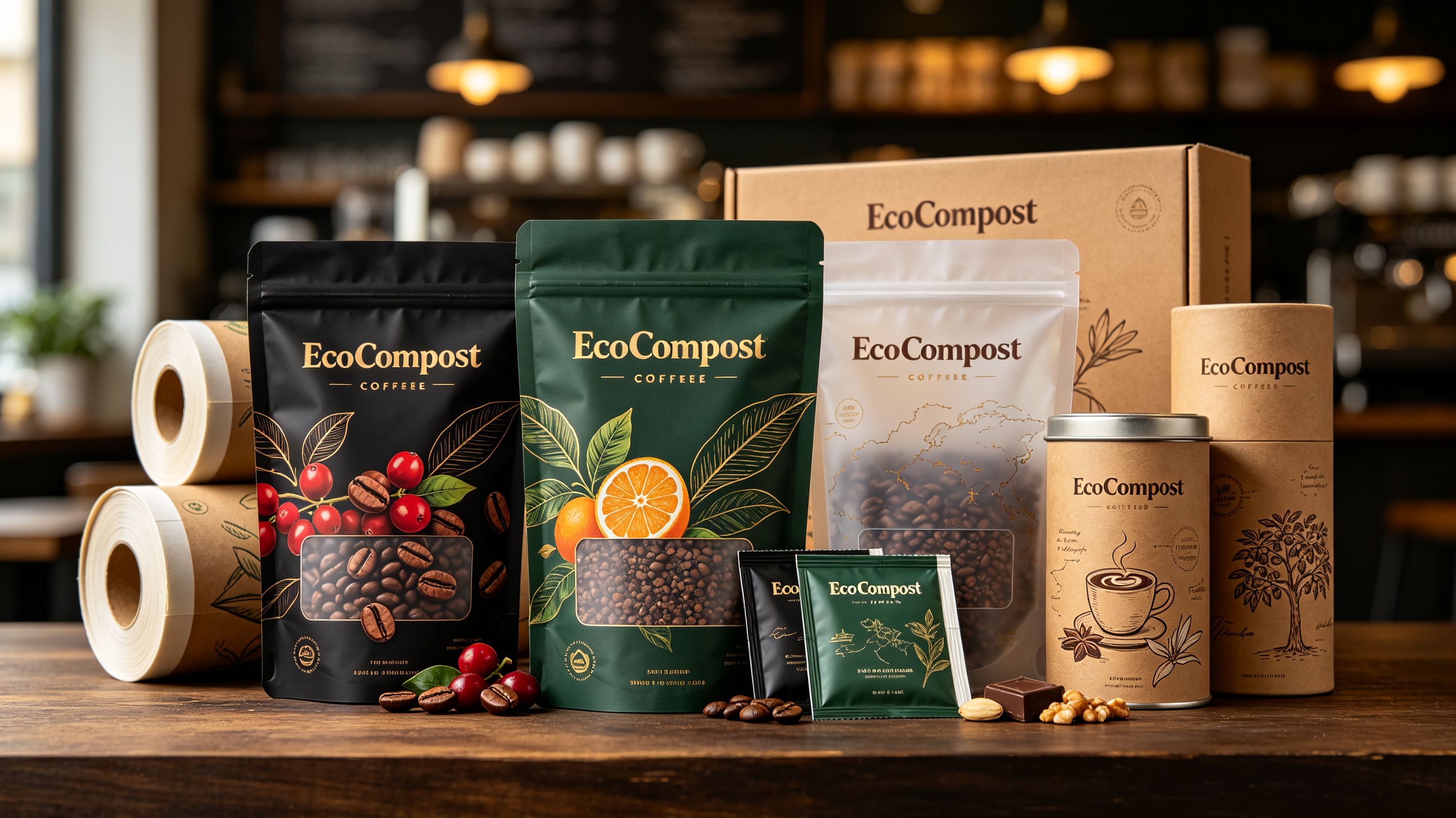
Consumers are paying closer attention to what happens after they finish a product — not just what happens when they open it. A coffee bag, pet food pouch, or refill pack now carries a bigger question: can it protect the product today and fit into a better recycling system tomorrow?
For brands, creating sustainable packaging is no longer about adding a green label and calling it done. The real work happens behind the scenes: choosing the right material structure, keeping the necessary barrier performance, and making sure the package still looks premium on the shelf.
At DINGLI PACK, we help brands develop custom recyclable pouches that balance product protection, brand presentation, and recyclability goals. Because the best packaging solution is not always the thinnest one — it is the one designed with the entire product journey in mind.
Quick Overview: What You’ll Learn in This Guide
This guide explains how brands can design recyclable packaging, reduce unnecessary material complexity, and increase recycled content without sacrificing product protection or shelf appeal.
- Why heavy packaging structures are difficult to recycle
-
What makes packaging truly recyclable:
- Choosing mono-material structures
- Balancing barrier performance and recyclability
- Avoiding design features that affect recycling
- How to increase recycled content with PCR materials
- How to design packaging according to market recycling requirements
- Sustainable packaging solutions from DINGLI PACK
Why Heavy Packaging Is Difficult to Recycle

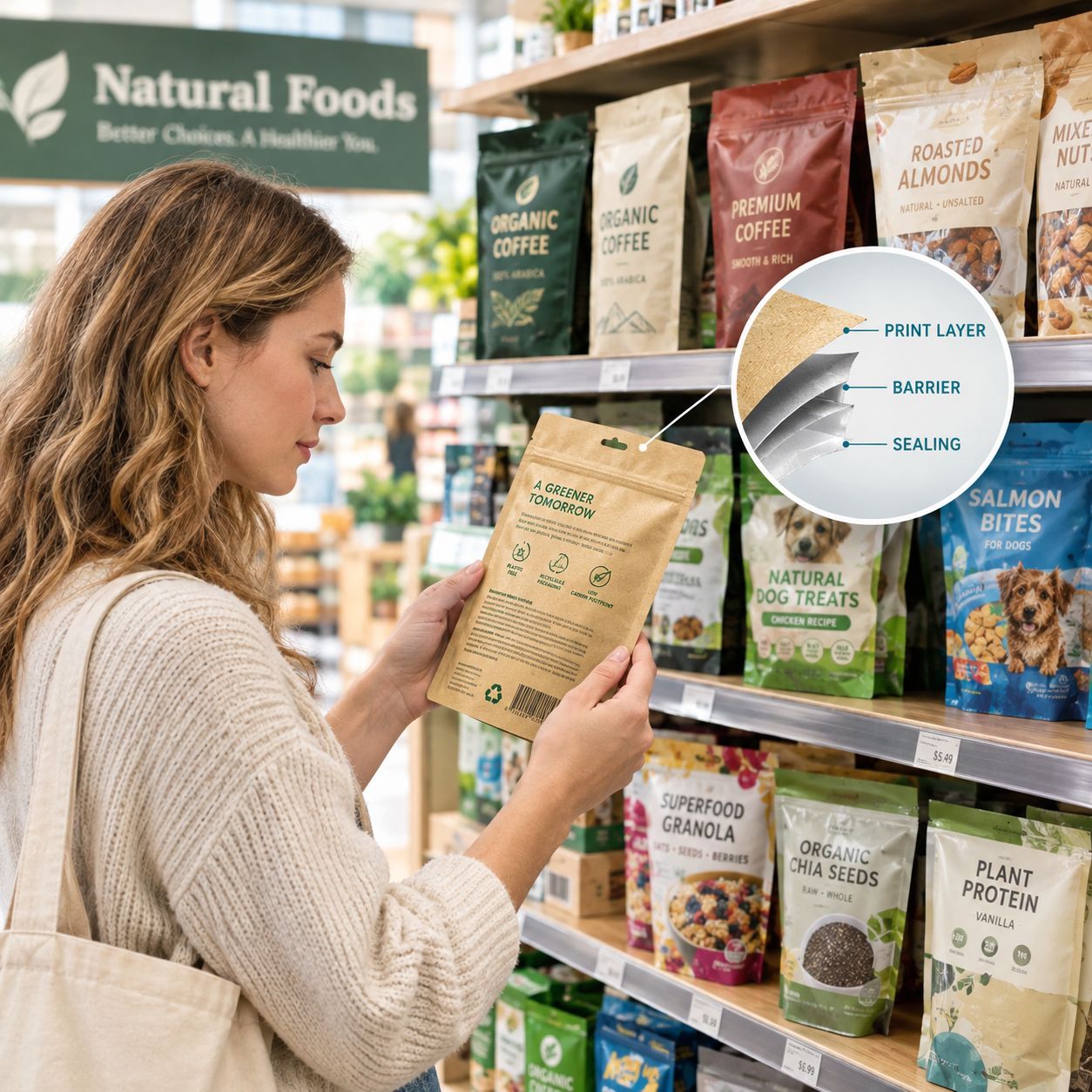
A thicker package often feels safer. It feels stronger. And sometimes, it is exactly what the product needs.
A 5kg pet food bag, a large grain pouch, or a high-barrier coffee package needs to survive transportation, storage, and daily handling. The challenge starts when strength comes from too many different materials.
Traditional flexible packaging may combine layers such as PET, PE, aluminum foil, and nylon. Each layer has a purpose:
PET helps with stiffness and print quality.
Nylon improves puncture resistance.
Aluminum provides strong oxygen and light protection.
PE supports sealing and flexibility.
The problem? These materials work well together during use, but they can become difficult to separate during recycling.
Think of it like a toolbox — having the right tools matters, but if every tool is locked together permanently, repair becomes much harder.
That is why more brands are reviewing their packaging structures and exploring options such as:
- Mono PE packaging
- Mono PP packaging
- PCR recycled content solutions
- Simplified flexible packaging structures
However, there is no universal formula. A snack pouch and a liquid detergent refill pouch do not face the same challenges. Good packaging design starts with understanding the product first.
What Makes Packaging Truly Recyclable?
A package is not recyclable simply because it looks sustainable.
A kraft paper appearance, a recycling symbol, or an eco-focused message on the front panel cannot replace proper material engineering.
A truly recyclable package needs to consider several factors:
- Material compatibility
- Barrier requirements
- Local recycling systems
- Printing and finishing choices
- End-market regulations
The practical question brands should ask is simple:
“After the consumer throws this package away, does it have a realistic path into the recycling stream?”
Choose Mono-Material Structures Whenever Possible
One of the most effective ways to improve recyclability is reducing unnecessary material combinations.
Mono-material packaging uses one primary material family throughout the structure. This makes the package easier to identify, collect, and process within compatible recycling systems.
Common options include:
- Mono PE recyclable packaging
- Mono PP recyclable packaging
Compared with traditional multi-layer structures, these solutions can simplify recycling while maintaining the flexibility that brands need.
But there is an important point: not every product can immediately move to a mono-material structure.
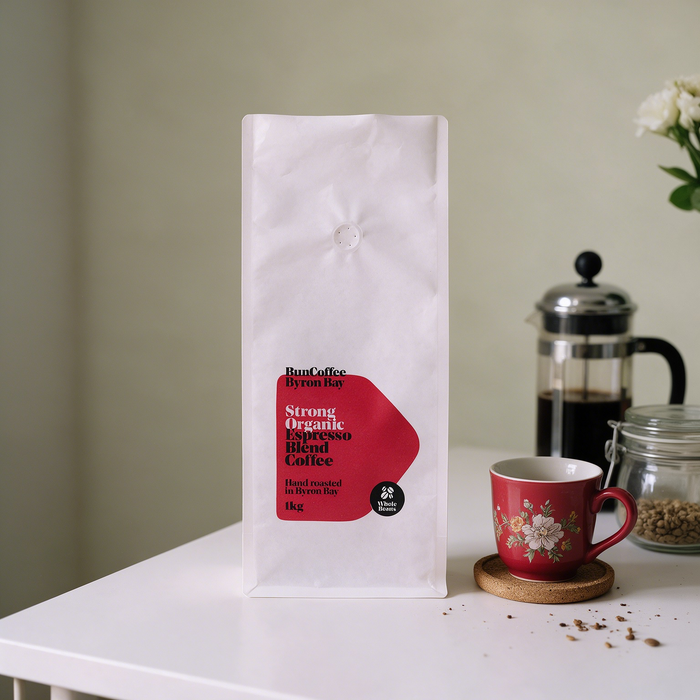
A coffee package that needs strong aroma protection or a pet food bag that needs high puncture resistance may require additional engineering. The goal is not to remove materials blindly — it is to remove unnecessary complexity.
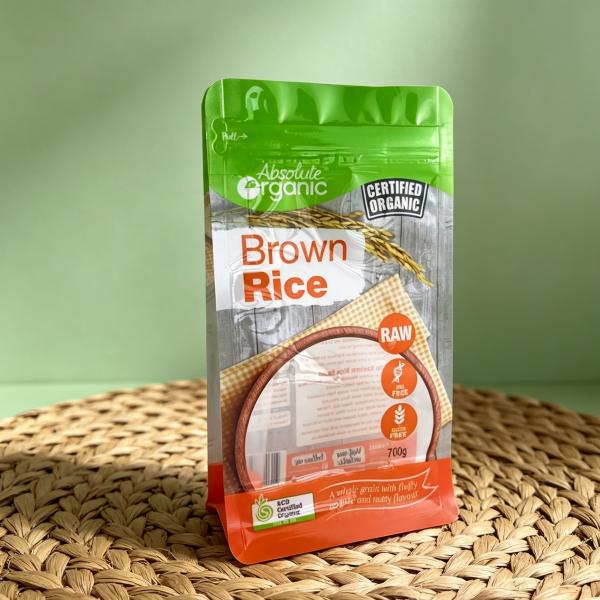
For dry food brands selling rice, cereals, and roasted grains, a well-designed structure can provide both shelf appeal and functional performance. Options like custom recyclable flat bottom pouches help brands create a practical balance between strength, storage convenience, and sustainability goals.
Balance Barrier Performance and Recyclability
Recyclability matters — but packaging still has one primary job: protecting the product.
A package that allows moisture, oxygen, or light to damage the product may create another environmental problem: unnecessary product waste.
Before changing your packaging structure, ask:
- Does the product need oxygen protection?
- Does it require moisture resistance?
- How long should the shelf life be?
- Will the package face shipping pressure or repeated handling?
A coffee bag, a supplement pouch, and a shampoo refill pouch all tell different packaging stories.
For liquid products, brands often need reliable sealing and leak resistance while reducing material complexity. custom mono PE recyclable spout pouches are one option brands can explore when developing refill packaging with recyclability in mind.
Avoid Packaging Features That Prevent Recycling
Even when a packaging structure is designed with recyclable materials, small details can affect the final recycling result.
Sometimes the problem is not the main material — it is the extra elements added along the way.
Common challenges include:
- Too many material layers that cannot be separated easily
- Non-compatible coatings or adhesives that affect recycling processes
- Unnecessary mixed components that increase material complexity
This does not mean sustainable packaging needs to look plain.
Brands can still create premium shelf appeal through thoughtful choices — such as high-quality printing, controlled finishing effects, and cleaner artwork designs.
A recyclable pouch does not have to look like a compromise. It just needs smarter design decisions behind the scenes.
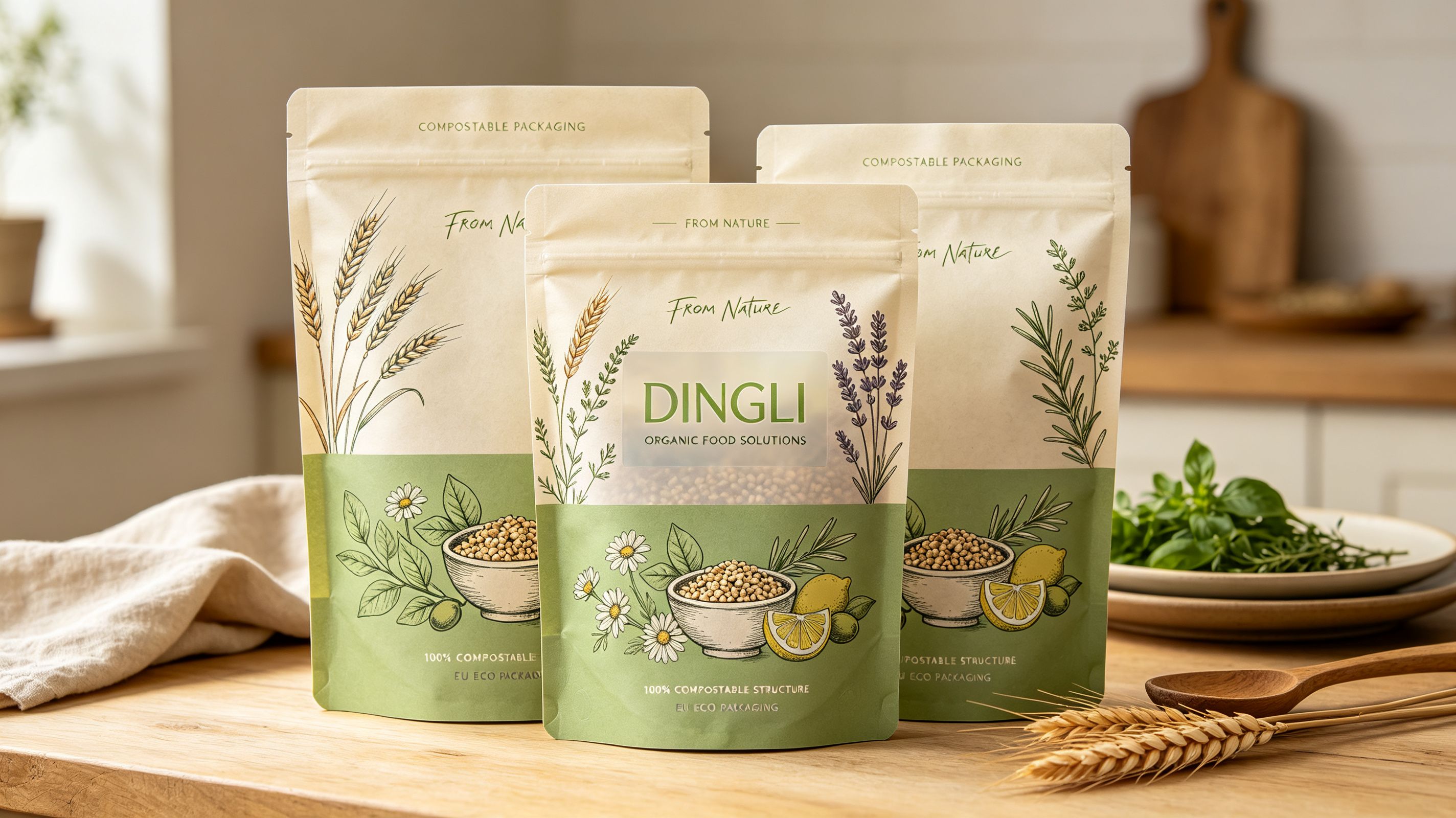
How to Increase Recycled Content in Packaging Design
Recyclability is only one part of sustainable packaging. The next question many brands ask is:
“How can we use more recycled materials without affecting packaging performance?”
Increasing recycled content sounds simple, but packaging design always involves trade-offs.
More recycled content may influence:
- Material appearance
- Strength and durability
- Printing consistency
- Regulatory requirements
- Product protection performance
The goal is not to chase the highest recycled percentage number. The goal is to find the right balance for your product, your market, and your customers.
Understanding PCR (Post-Consumer Recycled) Materials
PCR (Post-Consumer Recycled) materials come from plastic products that consumers have already used, collected, cleaned, processed, and turned into new raw materials.
Unlike production scrap recycling, PCR supports a more circular approach — giving used materials another opportunity instead of sending them directly into the waste stream.
For brands, adding PCR content can support sustainability goals by:
- Reducing reliance on virgin plastics
- Supporting environmental reporting goals
- Communicating responsible material choices to consumers
However, PCR is not a one-size-fits-all solution.
A premium cosmetic pouch and a heavy-duty pet food bag may require different PCR levels because their performance expectations are different.
Start With the Barrier Layer When Designing Recyclable Heavy-Duty Bags
For stronger packaging formats, the barrier layer often determines whether the package can move toward a recyclable structure.
Many traditional heavy bags use nylon because it provides excellent toughness and puncture resistance. That performance is valuable — but nylon can also make a structure more difficult to classify as mono-material.
A better approach is to review the entire structure:
- Which layer provides strength?
- Which layer protects against oxygen or moisture?
- Can a compatible material replace a more complex layer?
The answer depends on the product. Some applications can move toward simpler recyclable structures, while others may need additional barrier solutions.
Good packaging design is not about removing every layer. It is about making every layer earn its place.
Check Recycling Rules in Your Target Market
A packaging solution that works in one region may not automatically meet recycling expectations in another.
Before finalizing your packaging, consider:
- Your main sales markets
- Local recycling infrastructure
- Packaging labeling requirements
- Future regulatory changes
For brands selling in Europe, evolving packaging regulations such as PPWR are becoming an important factor in packaging decisions.
DINGLI PACK helps brands review packaging structures and explore solutions aligned with changing requirements through our PPWR packaging solutions.
Clearly Communicate Recyclability and Recycled Content
A recycling symbol alone does not tell the whole story.
Consumers, retailers, and business partners increasingly want clearer information:
- Is this package recyclable?
- What material is it made from?
- How much recycled content does it contain?
Clear communication helps your packaging story match the actual material design.
A sustainable claim should be supported by a real packaging solution — not just printed on the front of the bag.
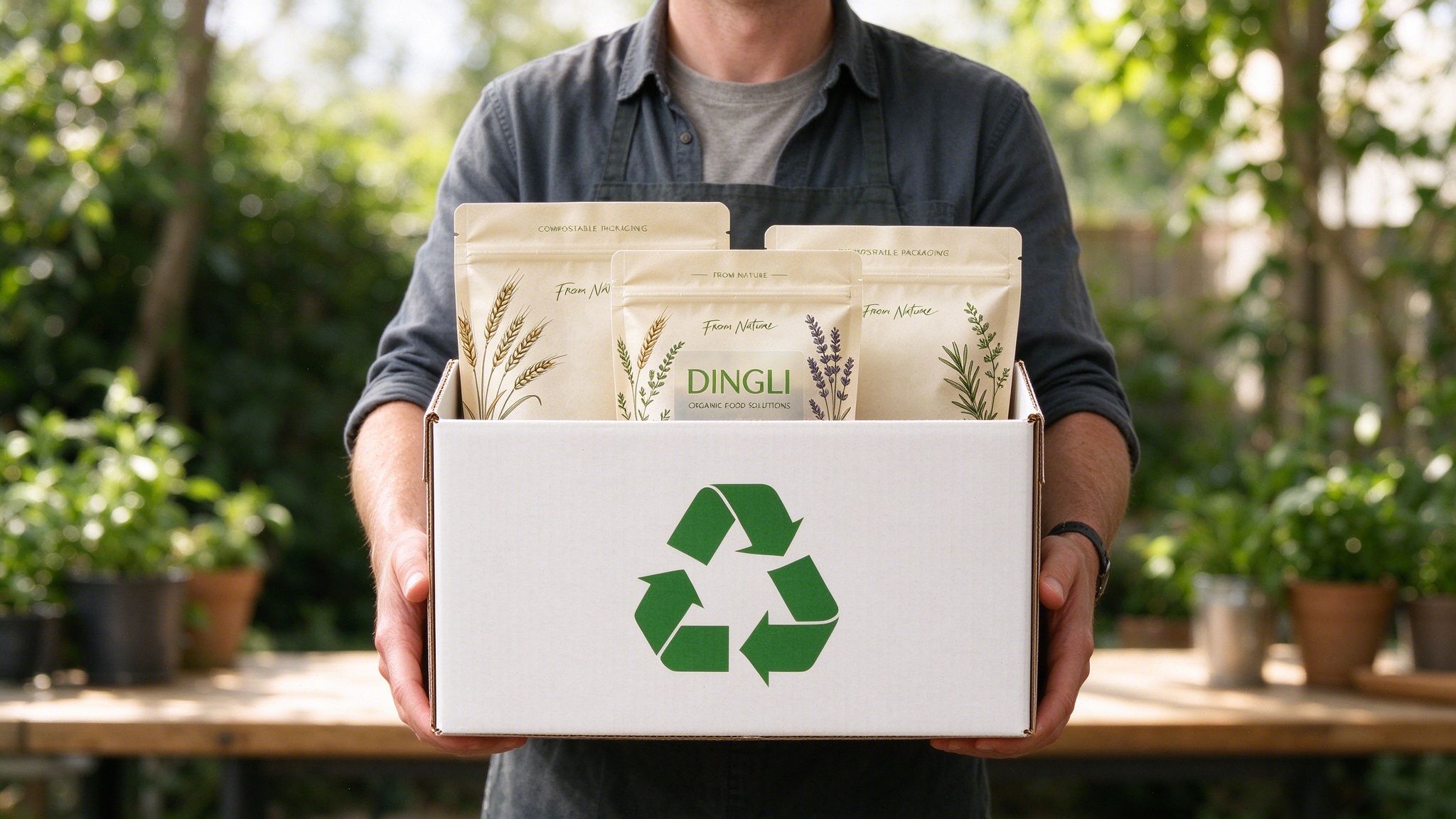
Sustainable Packaging Solutions from DINGLI PACK
Creating recyclable packaging requires more than choosing an “eco” material from a supplier list.
Every product brings different challenges.
A coffee brand may need aroma protection. A pet food company may need stronger seals. A personal care brand may need a refill pouch that is convenient for daily use.
At DINGLI PACK, we work with brands to evaluate:
- Material structures
- Barrier performance
- Printing requirements
- Production feasibility
- Recyclability goals
Our flexible packaging solutions cover recyclable pouches, rollstock films, stand-up pouches, spout pouches, and customized packaging formats for different industries.
For brands using automatic filling equipment, our custom printed recyclable rollstock film provides a flexible option for building more sustainable packaging lines while maintaining brand consistency.
For brands exploring alternative sustainable materials, solutions such as PLA biodegradable kraft paper flat bottom stand up pouches offer another direction for specific applications.
Final Thoughts: Better Recycling Starts With Better Packaging Decisions
Recyclable packaging is not created by adding a sustainability message after production.
It starts earlier — when brands choose materials, define performance requirements, and design the package structure.
The right packaging strategy should consider:
- Product protection
- Material compatibility
- Recycled content goals
- Consumer expectations
- Regional recycling requirements
The future of packaging is not about choosing between sustainability and performance.
It is about creating packaging that works on the shelf, during shipping, in the consumer’s hands — and ideally, after use.
If you are planning to upgrade your packaging structure or explore recyclable material options, contact DINGLI PACK to discuss a solution based on your product requirements.
Learn more about our packaging capabilities and customized solutions at DINGLI PACK.
Frequently Asked Questions
Practical answers about recyclable packaging solutions, materials, and ordering.
01 Is recyclable packaging more expensive?
The cost of recyclable packaging depends on material structure, printing requirements, size, and order quantity. In some cases, recyclable materials may have a higher initial cost, but they can also help brands reduce unnecessary material use and prepare for future sustainability requirements. At DINGLI PACK, we help customers compare different sustainable packaging solutions based on product protection, market needs, and budget goals.
02 How can brands start switching to recyclable packaging?
Brands usually start by reviewing their current package structure, product requirements, and target market regulations. The next step is selecting suitable materials, testing performance, and confirming production feasibility. DINGLI PACK supports businesses moving toward custom recyclable pouches by evaluating barrier needs, sealing performance, printing options, and recyclable material compatibility.
03 Is aluminium-laminated stand-up pouch recyclable?
Traditional aluminium-laminated stand-up pouches usually contain multiple layers, such as PET, aluminium foil, and PE, which can make recycling more challenging because the layers are difficult to separate. For brands seeking recyclable options, DINGLI PACK can help explore alternative stand-up pouch packaging structures, including mono-material solutions where suitable. However, the best choice depends on the product’s barrier requirements, shelf life, and local recycling systems.
04 What packaging options are suitable for different products and storage needs?
Different products require different packaging structures. Coffee needs aroma protection, pet food needs strength and freshness retention, while liquid refills need leak resistance and reliable sealing. DINGLI PACK provides flexible packaging solutions including flat bottom pouches, stand-up pouches, rollstock films, and spout pouches with options for zippers, valves, and customized closures to match product storage requirements.
05 What is the MOQ for custom recyclable packaging orders?
DINGLI PACK supports flexible ordering options, with our standard MOQ starting from around 500 pieces for many customized packaging projects. The final quantity depends on bag style, material structure, printing method, and production requirements. We work with startups, growing brands, and established companies to find a practical balance between order volume, unit cost, and inventory planning.
06 How do you ensure packaging quality, food contact safety, and compliance?
DINGLI PACK understands that packaging must protect both the product and the brand reputation. We focus on material selection, printing accuracy, sealing performance, and production inspection to support different industry requirements. For food and supplement brands, our food grade packaging bags are designed with attention to applicable food contact standards and storage conditions.
ONE-STOP PACKAGING SOLUTION - From Concept to Shelf in 7 Days
At DINGLI PACK, we know how stressful packaging can be for small brands, store owners, and startups. That’s why we focus on making it simple, reliable, and tailored to your needs. From stand up pouches, coffee bags with valves, flat bottom bags, spout pouches, shrink sleeves...
Our team provides hands-on support—from free package design and material advice to practical OEM guidance—making sure your product looks great and stays protected. Want to see us in action? Check our Video Center.
With a 5,000 m² workshop and 24/7 support, we deliver fast replies, consistent quality, and peace of mind. Stay updated with our tips and stories in the News Section, or explore all our solutions on the Products Page.
We’re more than a supplier—we’re a partner who understands the challenges of growing a brand and is ready to make your packaging shine.
Related Sustainable Packaging Solutions
Explore more recyclable and eco-conscious packaging options designed for food, retail, and consumer brands.
Kraft Paper Stand Up Bags for Spices & Seasonings
A natural-looking packaging option for spice, seasoning, and dry food brands that need shelf appeal with sustainable material choices.
View Packaging Solution →Recyclable Back Seal Flat Pouches for Candy & Snacks
Designed for snack brands looking for practical packaging formats with recyclable structures, reliable sealing, and customized printing.
View Packaging Solution →Kraft Paper Zipper Pouches Wholesale
Flexible zipper pouch solutions for brands needing convenient resealing, attractive presentation, and sustainable packaging options.
View Packaging Solution →Related Packaging Insights
Learn more about materials, printing methods, and sustainable packaging trends before choosing your next package design.
Laminated vs Non-Laminated Pouches: Which Is Best?
Understand how pouch structures affect barrier performance, durability, and packaging selection.
Read Article →Which Pouch Printing Method Fits Your Needs?
Compare different printing options and find the right solution for your brand appearance and order requirements.
Read Article →Europe’s Top Eco-Friendly Packaging Manufacturers
Explore sustainable packaging trends and what brands should consider when selecting packaging suppliers.
Read Article →
HuizhouDingli Packaging Products Co.Ltd.


Post time: Oct-12-2026