
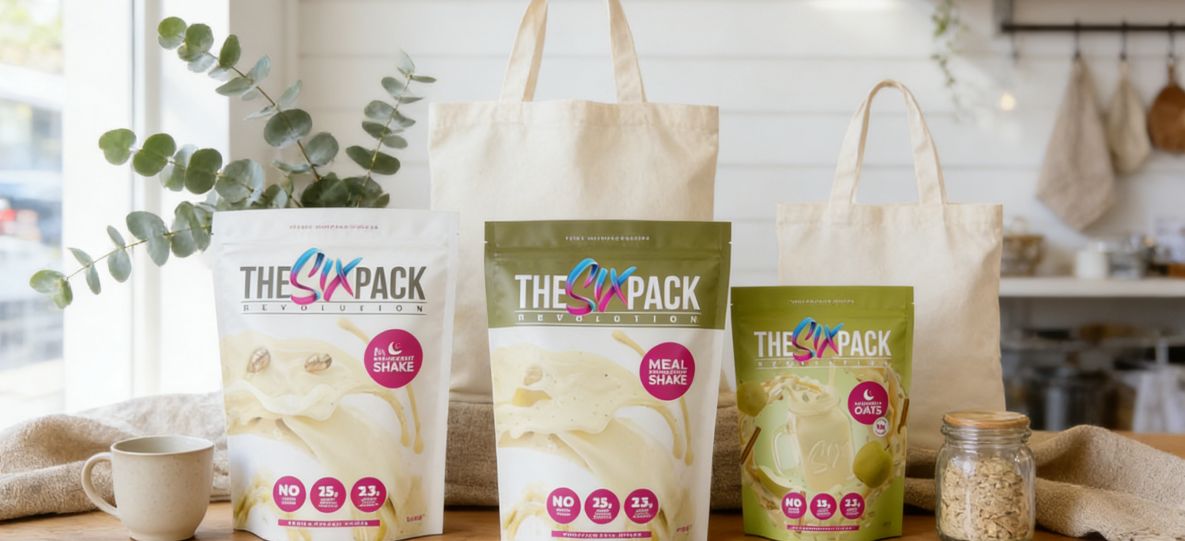
When you’re launching a startup, packaging usually feels like a trade-off. You either go cheap and look average, or go sustainable and assume your budget will explode.
But here’s what we see after working with 1000+ brands: that trade-off is mostly a misunderstanding. If you choose the right structure early, recyclable packaging can actually stay within startup budgets—and sometimes even reduce total cost per unit.
One practical example you can directly evaluate is this structure: recyclable stand up spout pouches. This is often the first choice for startups because it replaces bottles, reduces shipping cost, and avoids unnecessary tooling complexity.
Why recyclable packaging is becoming a baseline requirement

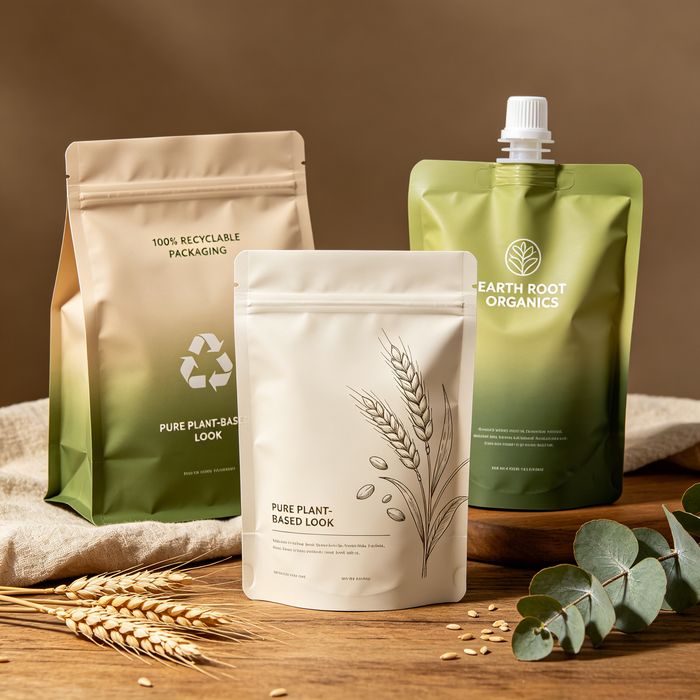
If you’re launching in Europe, you probably already feel this shift. Regulations are tightening fast. The EU Packaging and Packaging Waste Regulation (PPWR) is pushing brands toward full recyclability by 2030. It’s not a future concept anymore, it’s already shaping sourcing decisions today.
You can read more about the official framework here: EU Packaging Waste Regulation. The direction is clear: simpler structures, recyclable materials, and less dependency on mixed plastics.
Even beyond regulations, consumer behavior is shifting. Sustainable packaging is now tied directly to brand trust. In fact, Wikipedia’s overview of sustainable packaging highlights how mono-material and recyclable structures are gradually replacing traditional composites: sustainable packaging.
So for startups, the question is no longer “should we adopt eco packaging?” It’s more like “how do we do it without breaking the budget?”
The 3 budget mistakes most startups still make
1. Thinking eco packaging is always expensive
This one is persistent. Many founders assume recyclable automatically means premium pricing. In reality, it’s structure complexity—not sustainability—that drives cost up. When brands switch to optimized mono-material structures, costs often drop instead of rising.
2. Overdesigning packaging structures
There’s a tendency to “overbuild” packaging early on. Multi-layer laminations, heavy coatings, unnecessary complexity—it all adds cost and makes recycling harder. Simpler recyclable formats often perform better in both cost and branding.
For example, many brands are now shifting toward sustainable box pouch packaging, which keeps shelf impact strong while simplifying material usage.
3. Believing low MOQ is impossible
This is outdated thinking. Modern production systems—especially digital printing—have changed the game. You don’t need 10,000 units to start anymore. In many cases, 500 units is enough to validate a product in the market before scaling.
How to control packaging cost without sacrificing sustainability
Packaging cost is usually shaped by five things: materials, printing, tooling, MOQ, and logistics. Once you understand this structure, cost control becomes less intimidating.
Material choice matters, but not as much as most people think. Mono-PE, kraft paper, and PCR materials all sit in a similar cost range depending on volume. The bigger lever is printing. Reducing colors or switching to digital printing can significantly lower early-stage costs.
Here’s where things get practical: using standard recyclable formats instead of fully custom structures. For example, EU-compliant compostable stand-up pouches allow brands to enter the sustainable packaging space without overengineering their design.
Step 1 — Decide if you actually need “high-end packaging”
Before talking about materials, ask this simple question:
Is your packaging meant to win retail shelf battles or validate a product online first?
If you are pre-scale (most startups are), your goal is NOT premium over-engineering. Your goal is:
✔ test market demand
✔ keep MOQ low
✔ avoid inventory risk
That immediately eliminates expensive options like rigid boxes, multi-layer laminations, or complex structures.
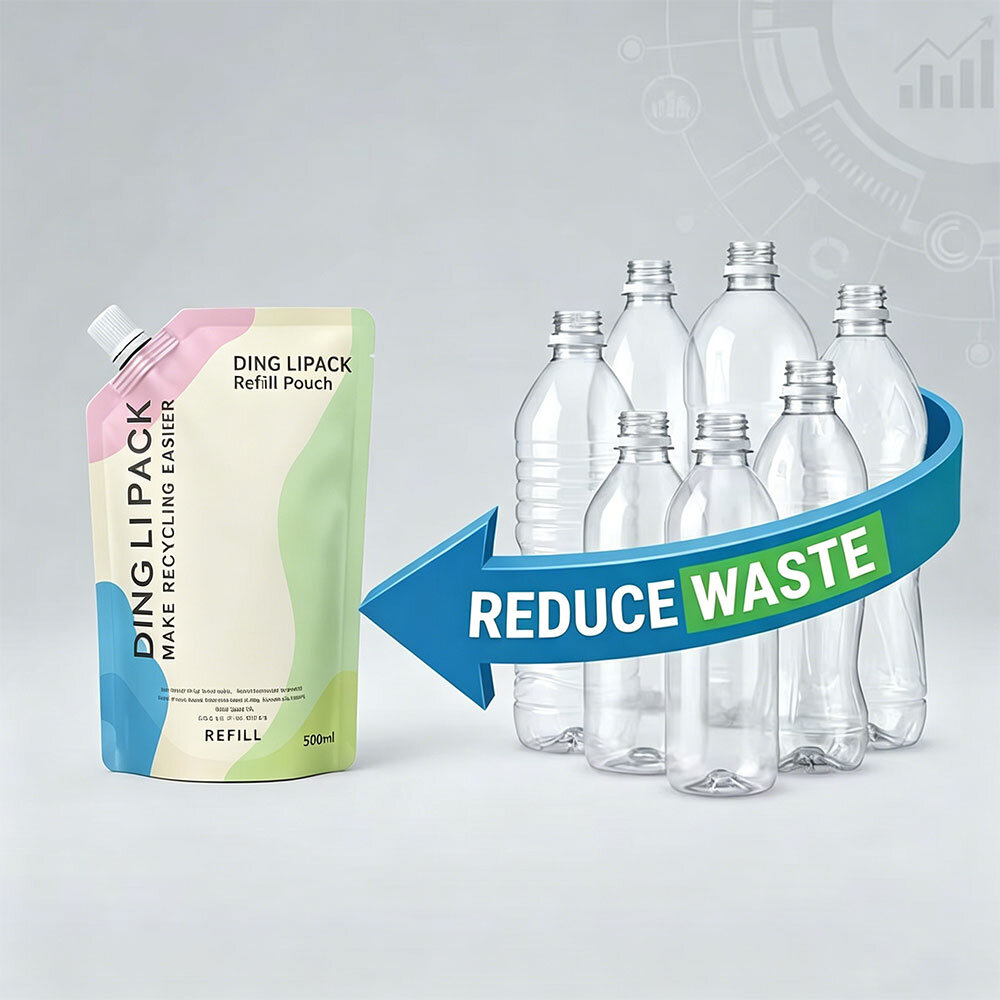
Step 2 — Use this simple rule to choose recyclable packaging materials
Don’t overthink materials. Use this decision rule:
If it is hard to recycle → avoid it.
If it uses multiple bonded layers → avoid it.
If it is mono-material or paper-based → shortlist it.
In real production terms, your safest startup-friendly materials are:
✔ Mono PE (best for scale + cost control)
✔ Kraft paper laminated recyclable structures
✔ PCR blended films (when branding allows)
A good example of a scalable structure is this product type: sustainable box pouch packaging for coffee and snacks. It balances shelf presence and production efficiency without pushing unnecessary complexity.
---
Step 3 — Use this cost breakdown to control your budget
Most startups think packaging cost = material price. That’s wrong. Real cost is made of 5 parts:
| Cost Driver | What actually matters | Startup decision rule |
|---|---|---|
| Material | Mono vs multi-layer | Choose mono whenever possible |
| Printing | colors + method | ≤3 colors for early stage |
| Tooling | custom molds | Avoid new structures |
| MOQ | batch size | 500–1000 units ideal |
| Logistics | volume weight | reduce packaging size |
If you control only ONE thing early, control structure—not material. That single decision has the biggest cost impact.
---
Step 4 — Choose packaging formats instead of designing from scratch
This is where most startups waste money. They try to “create a new packaging concept” instead of using proven formats.
Here’s what actually works in 90% of cases:
✔ Stand-up pouches → replace boxes or jars
✔ Spout pouches → replace plastic bottles
✔ Flat bottom bags → coffee, snacks, granola
For example, if you are in food or supplement space, this format is widely used: eco-friendly flat bottom bags for snacks and cereals. It gives shelf stability without increasing production complexity.
---
Step 5 — Control design like a cost lever (not decoration)
Here’s a simple truth most founders learn too late:
Design decisions directly change packaging cost more than material upgrades.
Use this rule set:
✔ 2-color design = best startup cost efficiency
✔ full CMYK = only when scaling
✔ spot UV = selective branding only
✔ avoid full surface lamination unless necessary
Good design is not “more visual”. It’s “less wasteful but still premium-looking”.
---
Step 6 — How to launch with low MOQ without getting stuck in cost traps
Traditional factories force 10,000 units MOQ. That creates a problem: you are locked into inventory before you even validate the product.
DINGLI PACK supports a different model:
✔ Starting from 500 units
✔ Digital printing (no plate fee)
✔ Free structural consultation
✔ OEM / ODM support for startups
If your product is still in testing stage, this model is significantly safer financially.
You can explore more options here: DINGLI PACK official packaging solutions or contact directly: get startup packaging consultation.
Final thought
Launching a brand today isn’t just about having a good product anymore. Packaging plays a role in trust, positioning, and even conversion rates. The interesting part is that sustainability and cost efficiency are no longer in conflict if you approach them correctly.
Most successful startups don’t start with perfect packaging. They start with smart packaging—simple, recyclable, and scalable. Then they refine as they grow. That’s usually where the real advantage comes from.
Frequently Asked Questions
What packaging is best for food and snack startups?
The most common choice is custom eco friendly flat bottom bags, which provide strong shelf stability and premium retail appearance without high tooling cost.
Which recyclable packaging is best for liquid products?
For liquids, the most efficient solution is recyclable stand up spout pouches, which replace rigid bottles and reduce shipping weight.
Can I switch from digital printing to gravure printing later?
Yes, many brands start with digital printing for small batches and later switch to gravure printing once volumes increase. This transition reduces unit cost significantly at scale while keeping design consistency. It is a common upgrade path for brands using custom printed stand up pouch packaging during growth stages.
What is the difference between recyclable and compostable packaging?
Recyclable packaging is designed to be reprocessed into new materials, while compostable packaging breaks down under specific industrial or natural conditions. They belong to different waste streams and should not be treated as interchangeable.
Is plate fee a one-time cost? Do I need to pay again for reorders?
Yes, plate fee is a one-time setup cost. Once the printing plate is made, it can typically be used for 2–3 years or over one million impressions depending on design stability. For reorders, you only pay for material and printing costs, which means unit price becomes significantly lower at higher volumes. This is especially beneficial for brands scaling from small batches to long-term production of custom printed recyclable packaging bags.
ONE-STOP PACKAGING SOLUTION - From Concept to Shelf in 7 Days
At DINGLI PACK, we know how stressful packaging can be for small brands, store owners, and startups. That’s why we focus on making it simple, reliable, and tailored to your needs. From stand up pouches, coffee bags with valves, flat bottom bags, spout pouches, shrink sleeves...
Our team provides hands-on support—from free package design and material advice to practical OEM guidance—making sure your product looks great and stays protected. Want to see us in action? Check our Video Center.
With a 5,000 m² workshop and 24/7 support, we deliver fast replies, consistent quality, and peace of mind. Stay updated with our tips and stories in the News Section, or explore all our solutions on the Products Page.
We’re more than a supplier—we’re a partner who understands the challenges of growing a brand and is ready to make your packaging shine.
Address
Block B-29,
VanYang Crowd Innovation Park ,
No 1 ShuangYang Road,
YangQiao Town, BoLuo District,
HuiZhou City, 516157, China
Phone
Support: +86 13410678885
Hours
Monday-Friday: 9am to 6pm
Saturday, Sunday: Closed


Post time: Jun-15-2026