
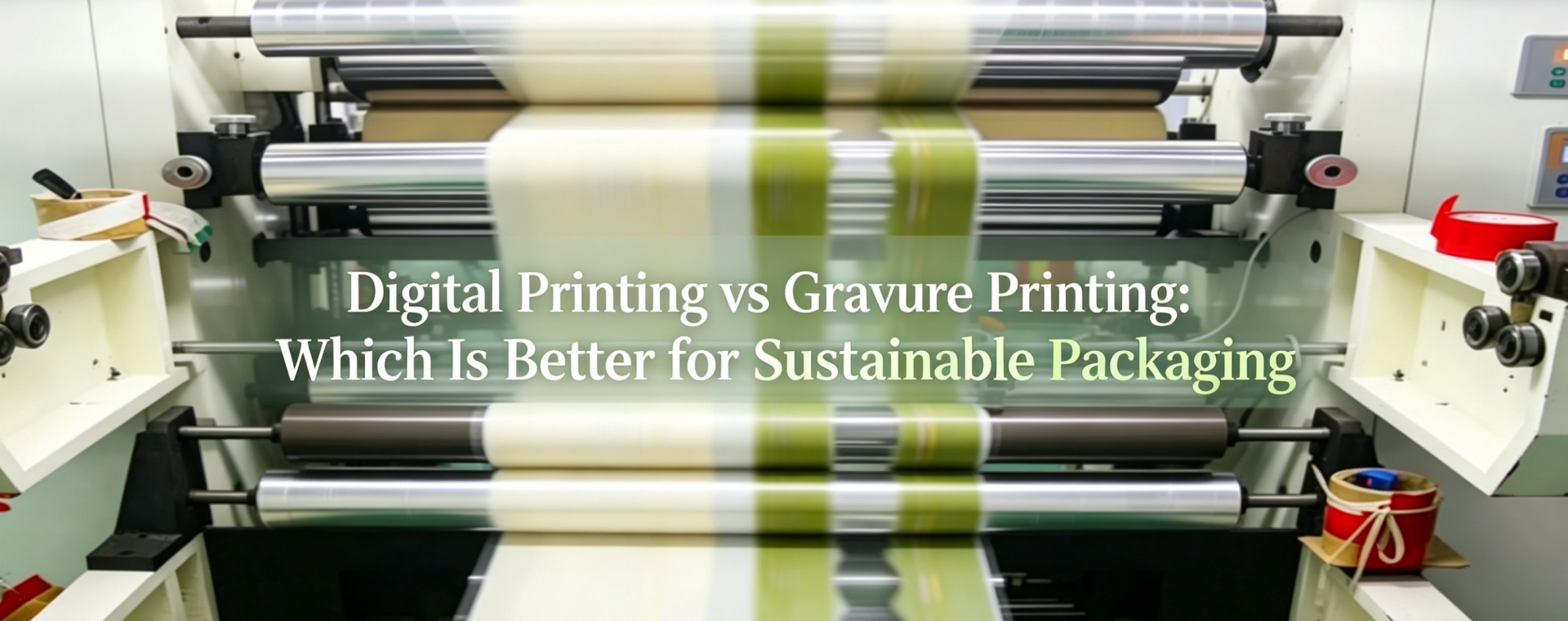
Have you ever found yourself stuck in a packaging decision that looks simple on paper, but somehow keeps getting more complicated the deeper you go? Digital or gravure printing—it sounds like a technical choice, but in reality it often decides how fast your brand can move, how much risk you carry, and even how your customers perceive your product on the shelf.
With sustainability rules tightening across Europe, especially around frameworks like PPWR packaging compliance solutions, brands are being pushed to rethink not just materials, but the entire production logic behind packaging. And printing, honestly, sits right in the middle of it.
At DINGLI PACK, we see this decision every day. Some brands need speed and flexibility, others care more about massive volume efficiency. There is no universal answer, but there is definitely a smarter way to choose.
1. What Digital Printing Really Means

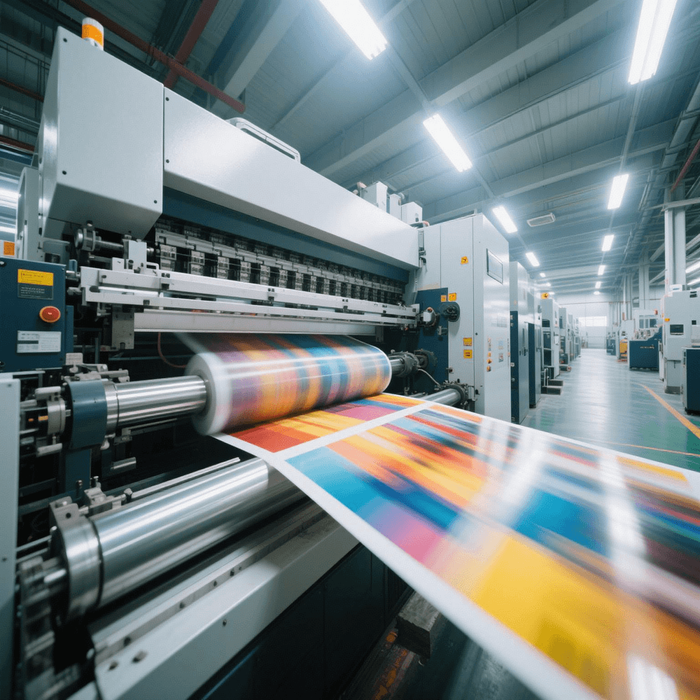
Digital printing is often described as “plate-less printing,” but that definition alone doesn’t really tell the full story. In simple terms, it means your design goes directly from a file to the packaging material, without the need for metal plates or cylinder engraving.
It feels a bit like skipping the traditional heavy setup stage entirely. You upload the artwork, and production can start almost immediately. That’s why many brands say it feels more like working with a responsive system rather than a rigid manufacturing process.
If you want a more technical breakdown, you can check digital printing technology, but from a business point of view, what matters more is how it behaves in real production scenarios.
1.1 Where Digital Printing Works Best
Digital printing shows its real strength when brands are still experimenting or growing fast. Small batches, frequent design updates, multiple SKUs—this is where it starts to make sense.
For example, many brands launching products on e-commerce platforms choose flexible formats like eco-friendly stand-up pouch packaging solutions because they don’t want to lock themselves into large inventories too early.
And if your packaging needs something a bit more natural or retail-friendly, options like kraft paper stand-up zipper pouches often pair very well with digital printing runs.
1.2 Key Traits You’ll Actually Notice
Low MOQ is probably the first thing people notice. You don’t need to commit to huge volumes just to get started. That alone changes the game for a lot of startups.
Speed is another one. There is no waiting time for plate production, so things move faster than most traditional workflows. Not perfect, but definitely faster.
And flexibility—it’s probably the least visible but most valuable part. You can adjust designs, test variations, or even run seasonal packaging without rebuilding the whole system.
2. Understanding Gravure Printing
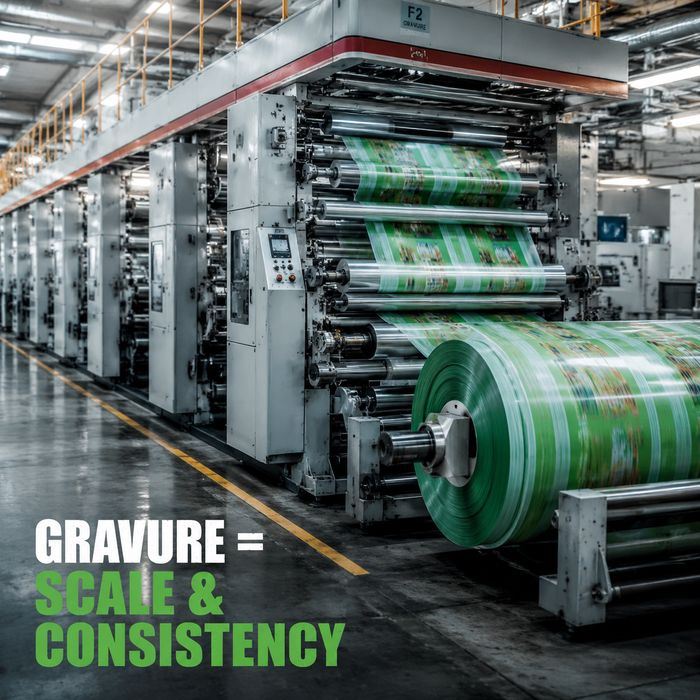
Gravure printing feels very different. It’s not built for experimentation—it’s built for scale. The process uses engraved copper cylinders, which means every design is physically carved into metal before production even begins.
That setup takes time and investment, but once it’s ready, production becomes extremely stable and fast. If digital printing feels flexible, gravure feels more like a heavy industrial engine running at full speed.
You can explore the technical background here: rotogravure printing process explanation.
2.1 Where Gravure Printing Makes Sense
This method is usually chosen by larger brands—think pet food companies, FMCG brands, or household product manufacturers. The reason is simple: they already know their demand is stable and high volume.
In those cases, packaging formats like printed spout pouch packaging solutions or flat bottom pouch packaging with freshness valve are often produced at industrial scale using gravure systems.
2.2 What It Feels Like in Practice
The biggest advantage is consistency. Once everything is set, every single unit looks almost identical. For big retail chains, that consistency matters more than flexibility.
The downside is obvious though—you need volume to make it efficient. If your order size is small or keeps changing, gravure can feel heavy and inflexible.
3. The Real Comparison That Brands Care About
Instead of listing technical differences, it’s easier to think in business terms.
Digital printing reduces risk at the beginning. Gravure printing reduces cost at scale. That’s really the core difference.
From an environmental perspective, both have their place. Regulations like EU packaging waste regulation updates are pushing manufacturers to reduce waste, improve recyclability, and rethink overproduction.
And yes, emissions also matter. Industrial printing processes, especially solvent-based ones, are increasingly monitored due to VOC concerns highlighted by EPA VOC environmental guidance.
4. So Which One Should You Actually Choose?
If your brand is still testing the market, or you’re working with multiple SKUs and frequent updates, digital printing usually makes more sense. It gives you breathing room.
But if you already have stable demand and large-scale production, gravure printing becomes the more logical choice. It’s not about being modern or traditional—it’s about efficiency at the right scale.
At the end of the day, the smartest brands don’t treat this as a fixed decision. They move between both systems as they grow.
5. How DINGLI PACK Supports Both
We don’t really push one method over the other. Instead, we look at your order size, SKU structure, and packaging material, and then suggest what actually makes sense.
You can explore more packaging solutions directly on our site: flexible packaging solutions.
Or if you already have a project in mind, you can reach our team here: contact packaging experts.
Final Thought
There is no perfect printing method. Only the one that matches your current stage of growth.
Digital printing gives you flexibility when things are still evolving. Gravure printing gives you efficiency when things are stable. Most real brands end up using both at different points anyway.
Frequently Asked Questions About Sustainable Packaging
At DINGLI PACK, we define eco-friendly packaging products as solutions designed to reduce environmental impact throughout their lifecycle, including recyclable films, kraft paper structures, and mono-material options widely used in sustainable eco packaging products for B2B brands.
What is considered eco-friendly packaging in modern manufacturing?
Eco friendly packaging solutions may have slightly higher upfront costs, but they reduce long-term waste, compliance risks, and inventory losses, making them more cost-efficient for growing brands in the long run.
Is eco-friendly packaging more expensive than traditional packaging?
We frequently use kraft paper, recyclable PE, mono-material films, and compostable structures in recyclable eco packaging materials for flexible packaging production, depending on barrier requirements and product type.
What materials are commonly used in sustainable packaging?
Yes. Modern high barrier eco packaging products can protect against oxygen, moisture, and light while still maintaining recyclability or reduced environmental impact through advanced material engineering.
Can eco-friendly packaging still provide high barrier protection?
Industries such as pet food, coffee, supplements, and FMCG benefit significantly from sustainable packaging solutions for B2B supply chains, especially when aligning with EU and US sustainability expectations.
Which industries benefit most from eco-friendly packaging?
Not fully yet, but regulations like PPWR are pushing brands toward compliance. Many companies are already adopting EU compliant eco packaging products to prepare for stricter future requirements.
Is eco-friendly packaging required by EU regulations?
Recyclable packaging is processed and reused into new materials, while compostable packaging breaks down under industrial or natural conditions. Both are widely used in eco friendly flexible packaging solutions depending on sustainability goals.
What is the difference between recyclable and compostable packaging?
No. With advanced printing systems, custom eco packaging printing solutions can still deliver high-resolution graphics, stable color performance, and strong brand consistency across different substrates.
Does eco-friendly packaging affect printing quality?
Most brands transition step by step using B2B sustainable packaging products, starting with one product line before scaling across their full portfolio based on performance and market feedback.
How do brands switch to sustainable packaging?
At DINGLI PACK, we recommend evaluating material capability, printing technology, and compliance experience. A reliable eco packaging manufacturer for B2B brands should support both scalability and long-term sustainability strategy.
How can I choose the right eco-friendly packaging supplier?
ONE-STOP PACKAGING SOLUTION - From Concept to Shelf in 7 Days
At DINGLI PACK, we know how stressful packaging can be for small brands, store owners, and startups. That’s why we focus on making it simple, reliable, and tailored to your needs. From stand up pouches, coffee bags with valves, flat bottom bags, spout pouches, shrink sleeves...
Our team provides hands-on support—from free package design and material advice to practical OEM guidance—making sure your product looks great and stays protected. Want to see us in action? Check our Video Center.
With a 5,000 m² workshop and 24/7 support, we deliver fast replies, consistent quality, and peace of mind. Stay updated with our tips and stories in the News Section, or explore all our solutions on the Products Page.
We’re more than a supplier—we’re a partner who understands the challenges of growing a brand and is ready to make your packaging shine.
Address
Block B-29,
VanYang Crowd Innovation Park ,
No 1 ShuangYang Road,
YangQiao Town, BoLuo District,
HuiZhou City, 516157, China
Phone
Support: +86 13410678885
Hours
Monday-Friday: 9am to 6pm
Saturday, Sunday: Closed


Post time: Jun-30-2026