
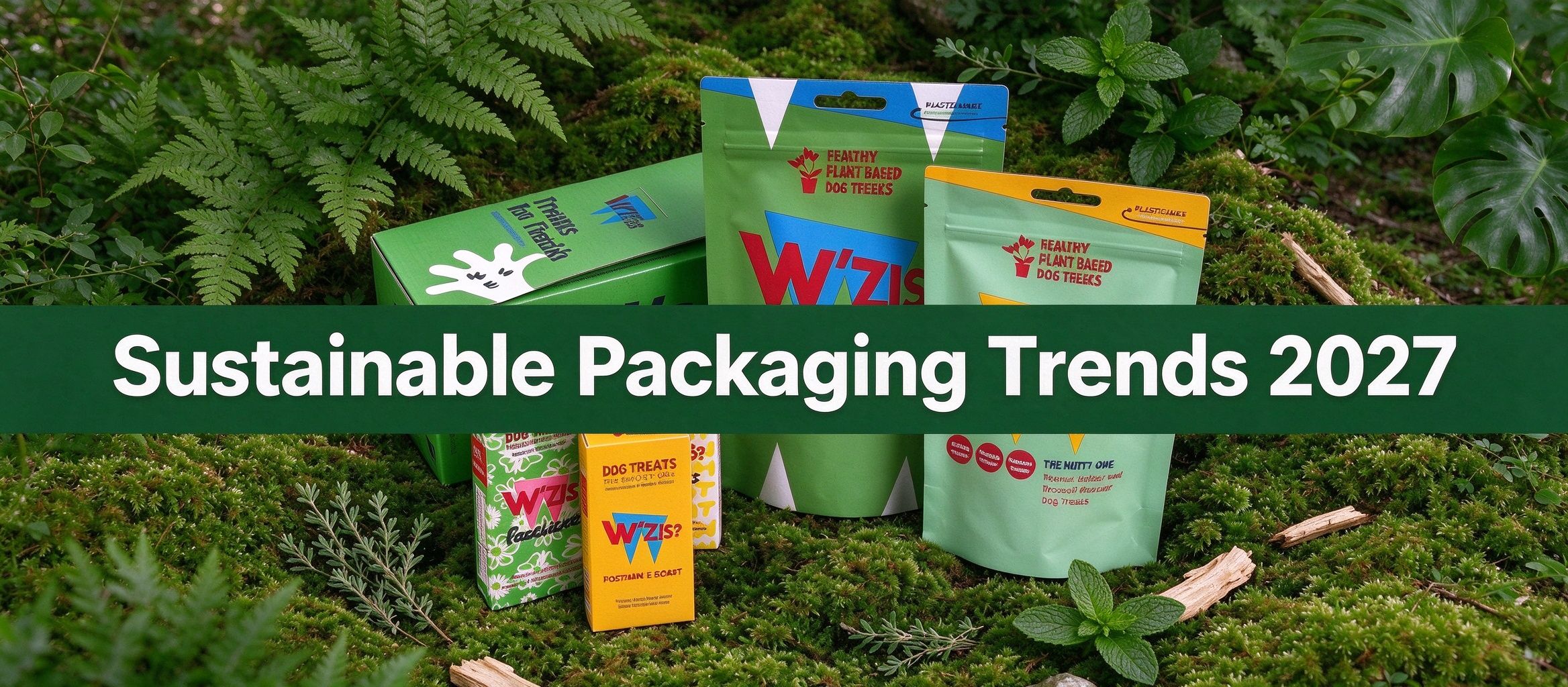
Sustainability sounds straightforward until you have to choose the actual packaging. A snack brand wants a recyclable pouch, but it still needs a reliable moisture barrier. A personal care brand wants a refill format, yet customers expect it to pour without spills. These are the decisions shaping sustainable packaging trends in 2027 — and they go well beyond switching to a greener-looking material.
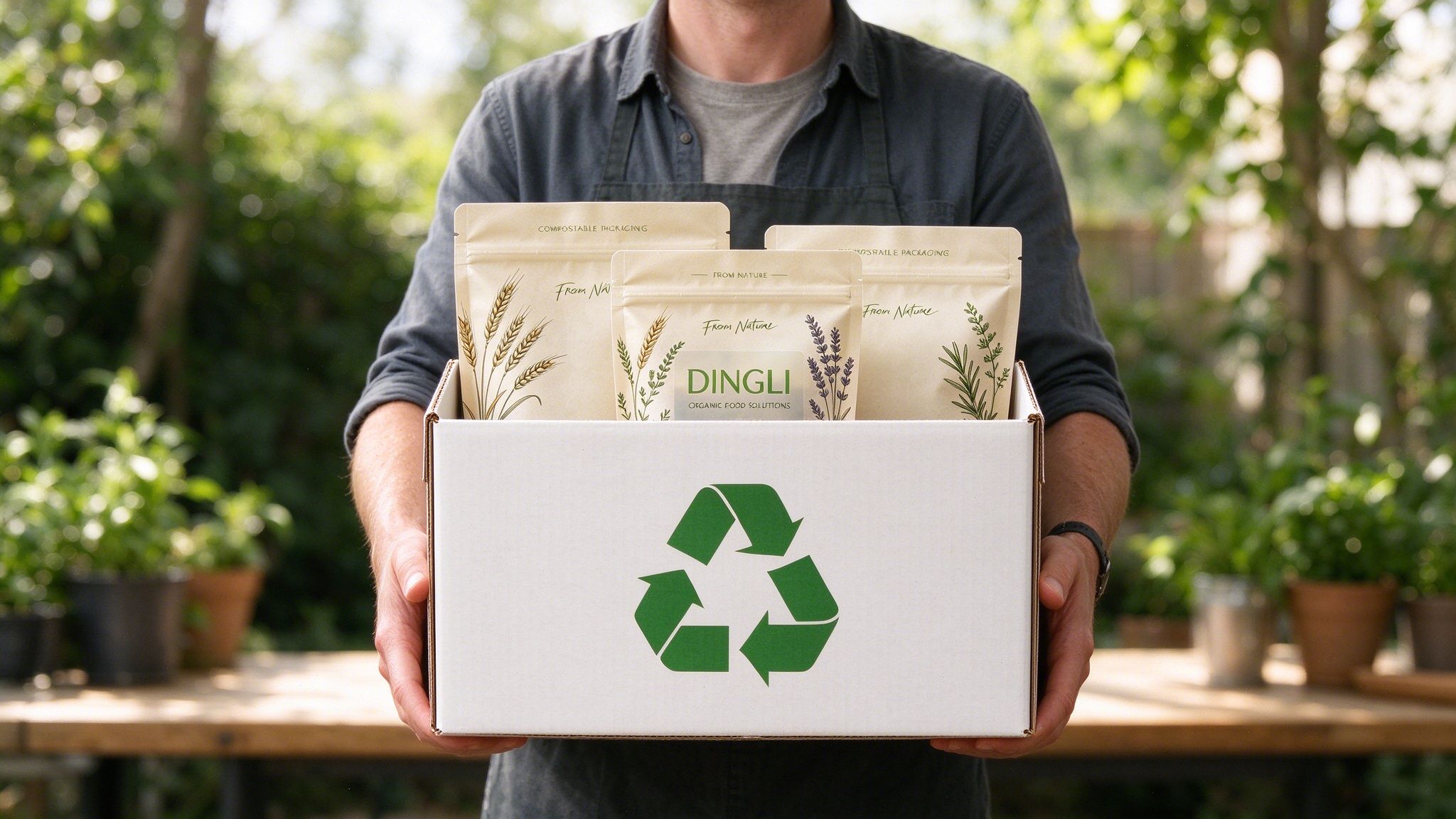
For brands reviewing their next packaging order, custom recyclable zipper stand-up pouches offer one way to rethink material choices while keeping product visibility and everyday convenience in mind. The real question is whether the new structure works just as hard as the old one.
From recyclable materials to packaging compliance, discover the practical changes brands should consider before their next packaging order.
1. Mono-Material Packaging Will Become a More Practical Choice

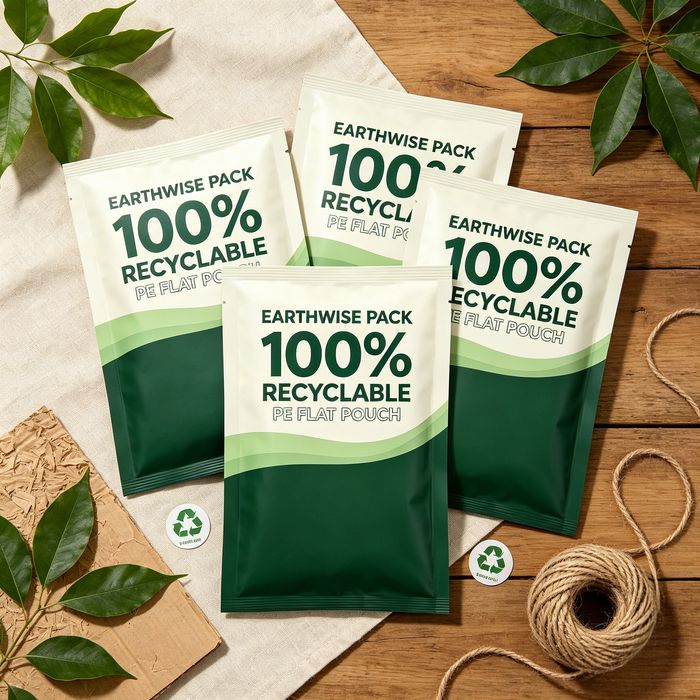
A conventional pouch might combine PET, aluminum foil, and PE. Each layer has a job — one supports printing, another provides barrier protection, and another helps create a reliable seal. The problem? Separating these materials at the end of their useful life can be difficult.
That's why more brands are looking at mono-material flexible packaging, particularly PE-based and PP-based structures. The goal is to simplify the material composition without giving up the performance a product needs.
Recyclable Pouches Designed Around Material Compatibility
Mono-PE and mono-PP pouches can be suitable for snacks, dry foods, personal care products, and other applications where the required barrier performance can be achieved. They also give packaging designers more room to work toward material compatibility.
But there's a catch. A new film structure can behave differently during sealing, filling, and transportation. Oxygen transmission, moisture resistance, puncture strength, and seal integrity all need attention before a brand makes the switch.
A pouch that's easier to recycle but lets moisture into a bag of crackers isn't progress. It's a product complaint waiting to happen.
What Brands Should Check Before Switching
Start with the product, not the material brochure. A dry snack, a moisture-sensitive powder, and a cosmetic refill have very different packaging requirements.
Ask your packaging supplier to compare the proposed structure against your current specification. Check shelf-life targets, sealing conditions, and the recycling options available in your target market. Brands exploring this direction can review our custom recyclable pouch solutions for different material and pouch configurations.
2. Paper-Based Packaging Will Move Beyond Its Natural Look
Kraft paper has an immediate visual appeal. Put a brown paper pouch on a retail shelf and it sends a different message from a glossy plastic bag. For coffee, tea, organic foods, and natural personal care products, that look can fit the brand perfectly.
Still, paper has limits. It doesn't automatically provide the moisture, oxygen, or grease resistance that many products require. A good-looking pouch is only useful if the product inside stays in good condition.
Barrier Protection Meets Paper-Based Design
This is where paper-based flexible packaging comes in. A kraft paper pouch can incorporate functional inner layers to help protect the contents while keeping the familiar paper appearance on the outside.
Flat-bottom bags, stand-up pouches, and coffee bags with valves are worth considering for suitable dry products. Some structures also use PLA-based layers, although buyers should check the exact material composition and end-of-life conditions before making environmental claims.
For example, our PLA biodegradable kraft paper flat-bottom pouch with valve provides a useful reference when comparing paper-based structures, product presentation, and packaging functionality.
Don't Confuse a Paper Look With a Recycling Solution
A paper pouch may still contain plastic layers, coatings, adhesives, or other components. These details can affect how the finished package is handled after use.
Before approving the artwork, ask for the full material specification. Check whether the complete structure — not just its outer paper layer — meets the relevant recycling or composting requirements.
3. Lightweight Packaging Will Help Reduce Material Use and Shipping Costs
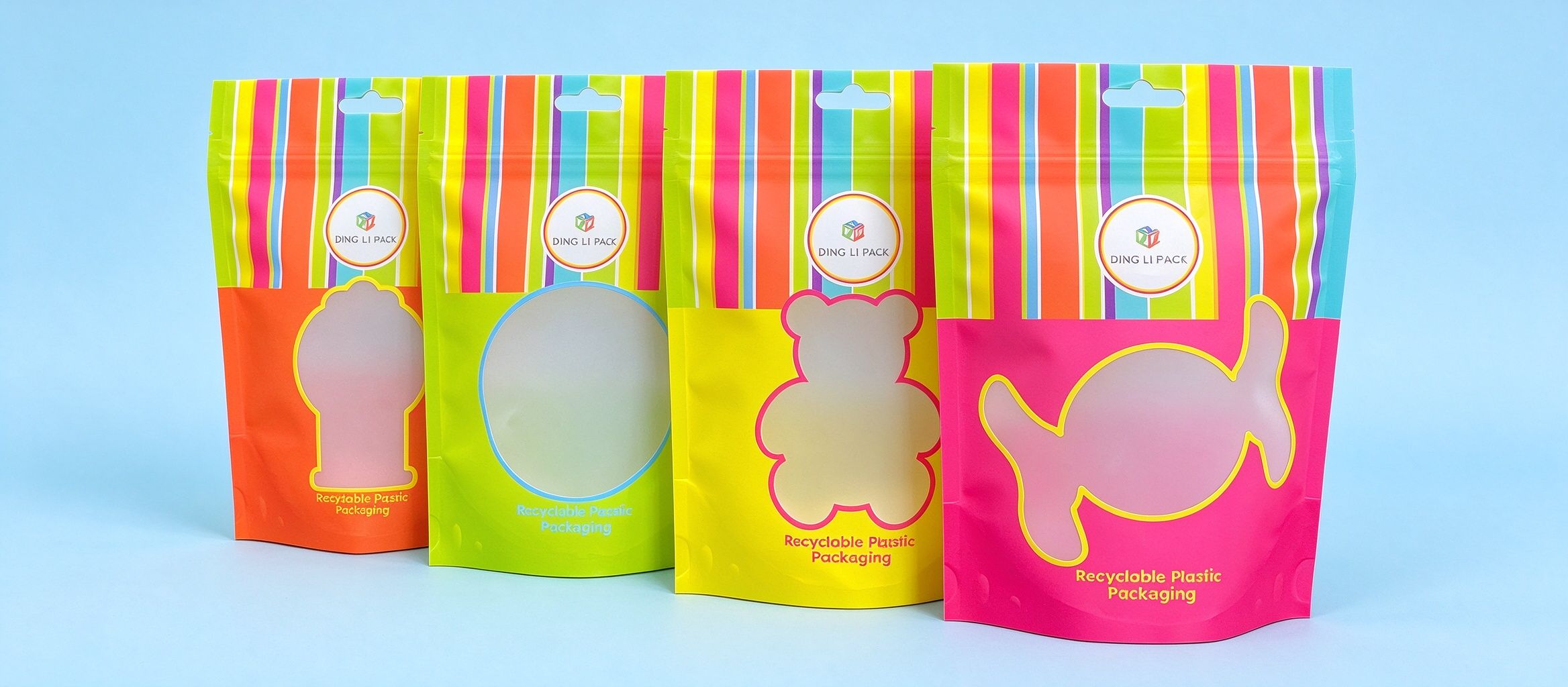
Sometimes the best packaging improvement is a smaller change. A slightly thinner film, a better-sized pouch, or fewer unnecessary components can reduce material consumption without forcing a complete packaging redesign.
For brands shipping thousands of units across borders, these adjustments can add up. Less material may also mean lower shipping weight and more efficient carton utilization.
Reduce Material — But Know Where to Stop
Reducing film thickness sounds simple on paper. In production, however, thinner material may be more vulnerable to punctures, weak seals, or handling damage.
The smarter move is to look at the whole pouch. Can the dimensions be adjusted? Is there excess material around the sealing area? Could a simpler structure provide the same protection?
Compare the Total Packaging Cost, Not Just the Film Price
A cheaper film doesn't always mean a cheaper packaging operation. Shipping, storage, filling speed, damaged products, and rejected batches all affect the final cost.
Here's what to review when considering a lightweight packaging project:
| Packaging adjustment | Potential benefit | What to test |
|---|---|---|
| Optimized film thickness | Lower material consumption | Puncture resistance and seal strength |
| Adjusted pouch dimensions | Better carton utilization | Product fit and filling efficiency |
| Simplified material structure | Fewer material components | Barrier performance and compatibility |
| Fewer unnecessary components | Less packaging waste | Opening and user experience |
A useful rule: Optimize around the product and its journey. Don't remove material just to make a specification sheet look more sustainable.
4. Refill and Reusable Packaging Will Open Up New Opportunities
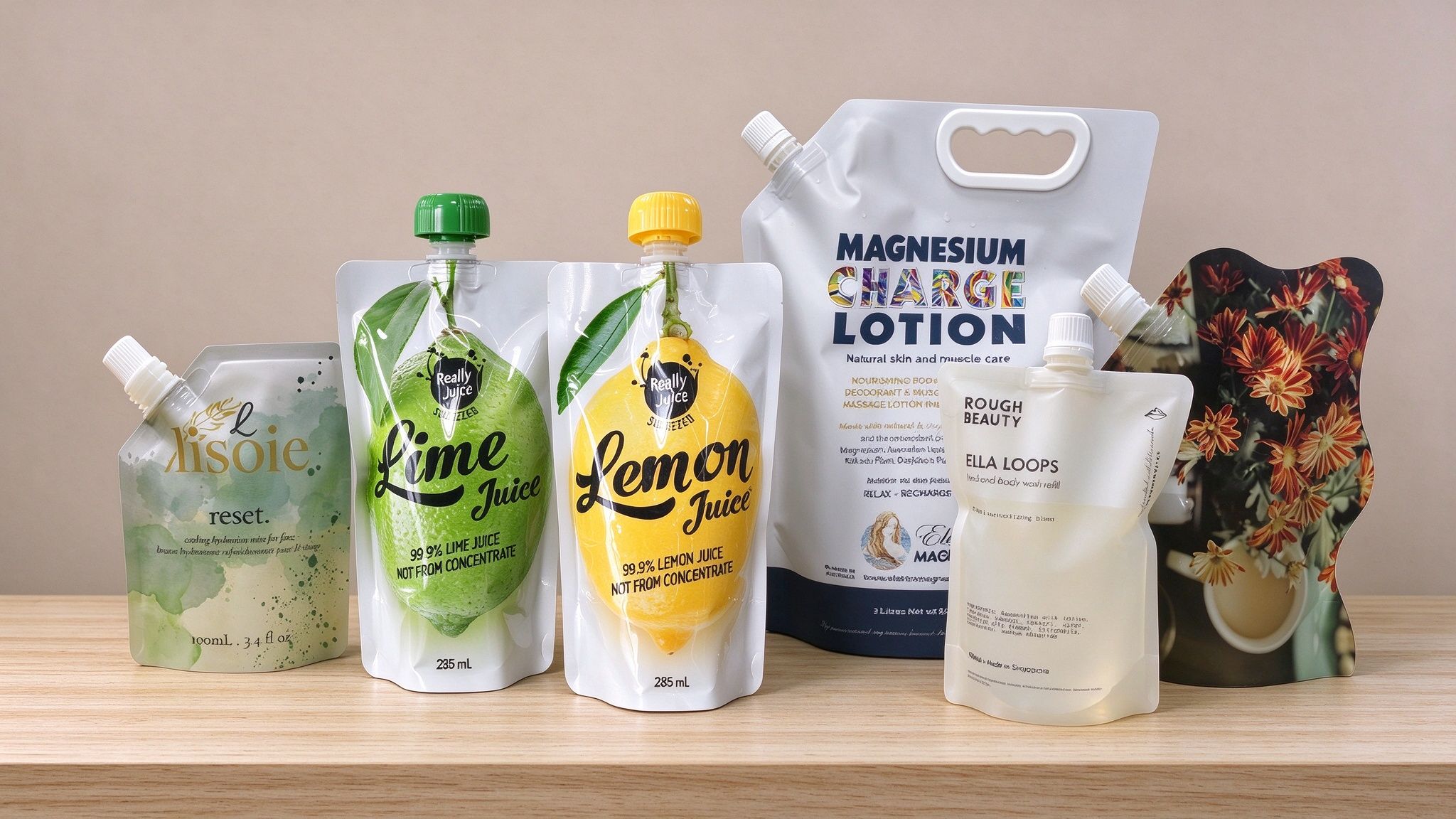
Think about a bottle of hand wash sitting beside its refill pouch. The customer keeps the original bottle and buys a lighter refill when it's empty. It's a simple idea, but it changes how the brand approaches repeat purchases.
Refill formats are worth exploring in household products, personal care, and selected food and beverage categories. Flexible packaging can make these formats easier to ship and store than some rigid alternatives.
Refill Pouches Need to Work in Customers' Hands
A refill pouch has one important job: get the product into the original container without making a mess. That means spout size, opening design, leakage resistance, and product viscosity all deserve attention.
A thick shampoo, a runny hand soap, and a liquid detergent won't necessarily work with the same dispensing design. Test the actual product before settling on a spout or pouch structure.
Reusable Packaging Needs a Real Reuse System
Reusable packaging sounds appealing, but the container alone doesn't make a system sustainable. Customers need to reuse or return it enough times to justify the extra material, cleaning, and transportation involved.
For brands without an established collection network, refill pouches may be a more manageable starting point. Build around the purchasing habits customers already have rather than asking them to change everything overnight.
5. Packaging Compliance and Verifiable Sustainability Claims Will Matter More
A packaging supplier may describe a pouch as recyclable or biodegradable. But when a retailer, importer, or regulator asks for supporting information, a marketing description won't be enough.
For brands selling across Europe and other international markets, material documentation is becoming an important part of packaging procurement. Buyers need to understand what they're purchasing — and what they can legitimately claim about it.
PPWR Will Shape European Packaging Decisions
The EU Packaging and Packaging Waste Regulation (PPWR), Regulation (EU) 2025/40, started applying on 12 August 2026. More requirements will follow in phases, making 2027 an important time for brands to review their packaging specifications.
The regulation addresses several areas, including packaging minimization, recyclability, recycled content, reuse, and substances of concern in packaging. The exact obligations depend on the packaging type, application, and applicable implementation timeline.
Brands preparing for the European market should review our PPWR packaging solutions and consider regulatory requirements early — ideally before artwork and material specifications are finalized.
Environmental Claims Need Evidence Behind Them
Recyclable, biodegradable, compostable, and made with recycled content are not interchangeable terms. Each describes something different, and each needs to match the actual material and its applicable conditions.
Take a compostable pouch, for example. It may require specific industrial composting conditions and won't necessarily break down in a home compost bin. Likewise, a technically recyclable pouch may not be accepted by every local collection system.
Before approving a claim, ask for relevant material declarations, test results, and certification documents where applicable. Clear documentation protects both the brand and the customer.
6. Digital Packaging and QR Codes Will Make Product Information More Accessible
Packaging space is limited. A brand may want to display ingredients, recycling instructions, sourcing information, and product details — but the back of a small pouch can only hold so much.
QR codes offer another way to share information. Instead of squeezing everything onto the film, brands can guide customers to a dedicated page with more detailed product and disposal information.
QR Codes Need to Be Designed for Real Printing Conditions
A QR code might look perfectly sharp on a computer screen and still fail when printed on a reflective or textured pouch. Contrast, code size, quiet zones, and surface finishes all affect scanning performance.
Before mass production, test the printed code on an actual packaging sample. Check it under different lighting conditions and with ordinary smartphones. A code that only works under perfect conditions isn't doing its job.
Get Ready for More Detailed Product Information
Digital Product Passports are part of the EU's broader Ecodesign for Sustainable Products Regulation framework. Specific requirements are being developed for different product groups, so they should not be confused with a universal QR-code requirement for all packaging.
Even so, brands can prepare now by organizing accurate material information, product data, and disposal guidance. Leaving enough room in the artwork for a scannable code is a small design decision that may save a bigger redesign later.
7. Sustainable Packaging Must Still Look Good and Run Well in Production
Here's a situation packaging buyers know well: the sample looks great, the material specification checks out, and everyone approves the design. Then the pouch reaches the filling line — and suddenly the sealing temperature, film handling, or print registration becomes a problem.
That's why sustainable packaging needs to be evaluated as a finished product, not just as a material concept. The structure has to work through printing, lamination, pouch converting, filling, storage, and transportation.
Printing and Finishing Still Have a Place
A sustainable pouch doesn't have to look plain. Controlled color reproduction, well-planned graphics, matte finishes, and clear windows can all help a brand maintain its identity on the shelf.
But inks, coatings, adhesives, and surface treatments may influence the recyclability of the complete structure. These details should be considered during material selection — not added at the last minute after the main design has been approved.
Test the Actual Package Before a Large Production Run
A physical sample tells you things a digital mockup can't. Does the zipper close properly? Does the pouch stand upright when filled? Can the film handle the product's weight? Does the printed color still look right under retail lighting?
At XINDINGLI PACK, we bring material recommendations, OEM/ODM customization, printing, sampling, and production quality checks into one development process. Our team can help buyers review structural options before moving from an initial idea to a production-ready specification.
The aim isn't to make the most complicated pouch. It's to find a structure that does the job reliably and makes sense for the brand's budget and market.
8. How Brands Can Prepare Their Packaging for 2027
Not every brand needs to adopt every new packaging trend. A coffee roaster, a skincare company, and a snack manufacturer have different priorities — and their packaging should reflect that.
Rather than redesigning everything at once, start with the parts of your current packaging that create the most friction. These five steps can help you build a more practical plan.
01. Review Your Existing Material Structure
Check whether your current pouch combines several material layers. Then ask whether a mono-material alternative could deliver the same level of product protection and meet the relevant recycling requirements.
02. Recheck What Your Product Actually Needs
Define your shelf-life expectations, oxygen and moisture barrier requirements, seal strength, and transportation conditions. A dry snack and an oily food product shouldn't automatically use the same packaging specification.
03. Calculate the Total Packaging Cost
Look beyond the price per pouch. Include shipping weight, carton utilization, warehouse space, filling efficiency, and possible product losses. A small change in pouch dimensions can sometimes make a bigger difference than switching to a more expensive material.
04. Check the Requirements in Your Target Market
Review applicable packaging regulations, local recycling infrastructure, food-contact requirements, and supporting documentation. If you're selling in Europe, don't leave PPWR considerations until the final artwork approval.
05. Request Samples Before Approving the Final Specification
Ask for physical samples and test them with your actual product whenever possible. Check the pouch size, seal, zipper, print quality, and filling performance. For food packaging, confirm the required barrier and food-contact specifications as well.
If you don't have an in-house packaging team, a manufacturer that can offer material advice, custom sampling, and production feedback can make the process much easier. You can explore our custom packaging services to see how different packaging requirements can be developed into practical solutions.
Final Thoughts: Make Your Next Packaging Decision Count
The biggest sustainable packaging shift in 2027 isn't about choosing one winning material. It's about asking better questions before placing the next order.
Mono-material films, paper-based structures, lightweight pouches, and refill formats all have their place. None is a universal fix. The right choice depends on what's inside the package, where it's going, how customers will use it, and what happens after disposal.
At XINDINGLI PACK, we believe packaging development should start with your product — not with a material we're trying to sell. Our team works with brands to review material options, printing requirements, pouch structures, and practical production details.
Still Unsure Which Packaging Is Right for Your Product?
You don't need to have every technical detail figured out before talking to us. Send over your product information, target market, preferred pouch size, or even a rough packaging idea. Our packaging team can help assess suitable materials and thicknesses, suggest practical structures, and arrange custom samples for hands-on testing.
Let's work through the details together — so your next packaging decision is based on what actually works for your brand. Talk with our packaging team and take the next step at your own pace.
Frequently Asked Questions
01 Does Sustainable Packaging Cost More? +
Not necessarily, but the initial unit price can be higher depending on the material, structure, and production volume. For example, recyclable flexible packaging may require specialized films or a different lamination process. However, optimized pouch dimensions, reduced material usage, and better shipping efficiency can help offset the difference. At DINGLI PACK, we recommend comparing the total packaging cost — including material, production, transportation, and product protection — rather than looking at the price per bag alone.
02 What Materials Are Used for Sustainable Packaging? +
Common options include PE, PP, kraft paper, PLA-based materials, and other specially developed flexible film structures. For brands looking for eco-friendly packaging materials, the right choice depends on product sensitivity, moisture and oxygen barrier requirements, and available recycling or composting systems. Mono-PE and mono-PP structures may suit certain recyclable pouch applications, while paper-based laminates can provide a natural appearance with additional functional layers. We help buyers compare material combinations based on the product and its intended market.
03 What Are the Packaging Industry Trends for 2026? +
Key developments include mono-material structures, lightweight packaging, refill pouches, paper-based formats, and more transparent environmental claims. Sustainable flexible packaging is attracting attention because brands want to reduce material complexity without compromising shelf life or product protection. Regulatory developments, including the EU PPWR, are also influencing packaging specifications. For 2027 planning, we expect material compatibility, practical recyclability, and production performance to remain important purchasing considerations.
04 What Is the Minimum Order Quantity for Custom Packaging Bags? +
At DINGLI PACK, our standard starting MOQ for many custom printed packaging bags is 500 pieces. This gives startups, small brands, and established businesses more flexibility when testing new products or launching a new packaging design. The final MOQ may vary depending on the pouch structure, material, dimensions, printing method, and customization requirements. Contact our team with your specifications for a more accurate production assessment.
05 Are Custom Sustainable Pouches Suitable for Food Contact? +
Yes, suitable structures can be developed for food packaging, provided the materials and finished packaging meet the applicable food-contact requirements in the destination market. When sourcing food-grade recyclable pouches, buyers should consider the inner contact layer, inks, adhesives, barrier performance, and relevant compliance documentation. Requirements can differ between markets and food types. We recommend confirming the intended product, storage conditions, and target sales region before selecting a final material structure.
06 Can Sustainable Packaging Bags Be Custom Printed in Different Sizes and Finishes? +
Yes. Custom printed recyclable bags can be developed with different dimensions, pouch styles, zipper options, transparent windows, and suitable surface finishes. Printing options may include flexographic or gravure printing, depending on the material and artwork requirements. Matte, gloss, and selected decorative effects can also be evaluated, although some coatings and finishes may affect recycling compatibility. We recommend checking the artwork, color requirements, and complete material structure together before approving a production sample.
ONE-STOP PACKAGING SOLUTION - From Concept to Shelf in 7 Days
At DINGLI PACK, we know how stressful packaging can be for small brands, store owners, and startups. That’s why we focus on making it simple, reliable, and tailored to your needs. From stand up pouches, coffee bags with valves, flat bottom bags, spout pouches, shrink sleeves...
Our team provides hands-on support—from free package design and material advice to practical OEM guidance—making sure your product looks great and stays protected. Want to see us in action? Check our Video Center.
With a 5,000 m² workshop and 24/7 support, we deliver fast replies, consistent quality, and peace of mind. Stay updated with our tips and stories in the News Section, or explore all our solutions on the Products Page.
We’re more than a supplier—we’re a partner who understands the challenges of growing a brand and is ready to make your packaging shine.
Related Sustainable Packaging Solutions
Explore more recyclable and eco-conscious packaging options designed for food, retail, and consumer brands.
Kraft Paper Stand Up Bags for Spices & Seasonings
A natural-looking packaging option for spice, seasoning, and dry food brands that need shelf appeal with sustainable material choices.
View Packaging Solution →Recyclable Back Seal Flat Pouches for Candy & Snacks
Designed for snack brands looking for practical packaging formats with recyclable structures, reliable sealing, and customized printing.
View Packaging Solution →Kraft Paper Zipper Pouches Wholesale
Flexible zipper pouch solutions for brands needing convenient resealing, attractive presentation, and sustainable packaging options.
View Packaging Solution →Related Packaging Insights
Learn more about materials, printing methods, and sustainable packaging trends before choosing your next package design.
Laminated vs Non-Laminated Pouches: Which Is Best?
Understand how pouch structures affect barrier performance, durability, and packaging selection.
Read Article →Which Pouch Printing Method Fits Your Needs?
Compare different printing options and find the right solution for your brand appearance and order requirements.
Read Article →Europe’s Top Eco-Friendly Packaging Manufacturers
Explore sustainable packaging trends and what brands should consider when selecting packaging suppliers.
Read Article →
HuizhouDingli Packaging Products Co.Ltd.


Post time: Nov-09-2026