
Is your packaging genuinely supporting your sustainability goals, or is it quietly becoming the reason environmentally conscious customers choose another brand? It's a question more companies are starting to ask. Consumers today pay attention not only to what's inside the package but also to the package itself. Increasingly, retailers and regulators are doing the same.
The reality is that eco friendly packaging design has moved well beyond being a nice marketing addition. For many businesses, it's becoming an essential part of long-term growth. Yet designing sustainable packaging isn't always straightforward. You need to protect the product, maintain shelf appeal, manage costs, and meet evolving environmental expectations—all at the same time.
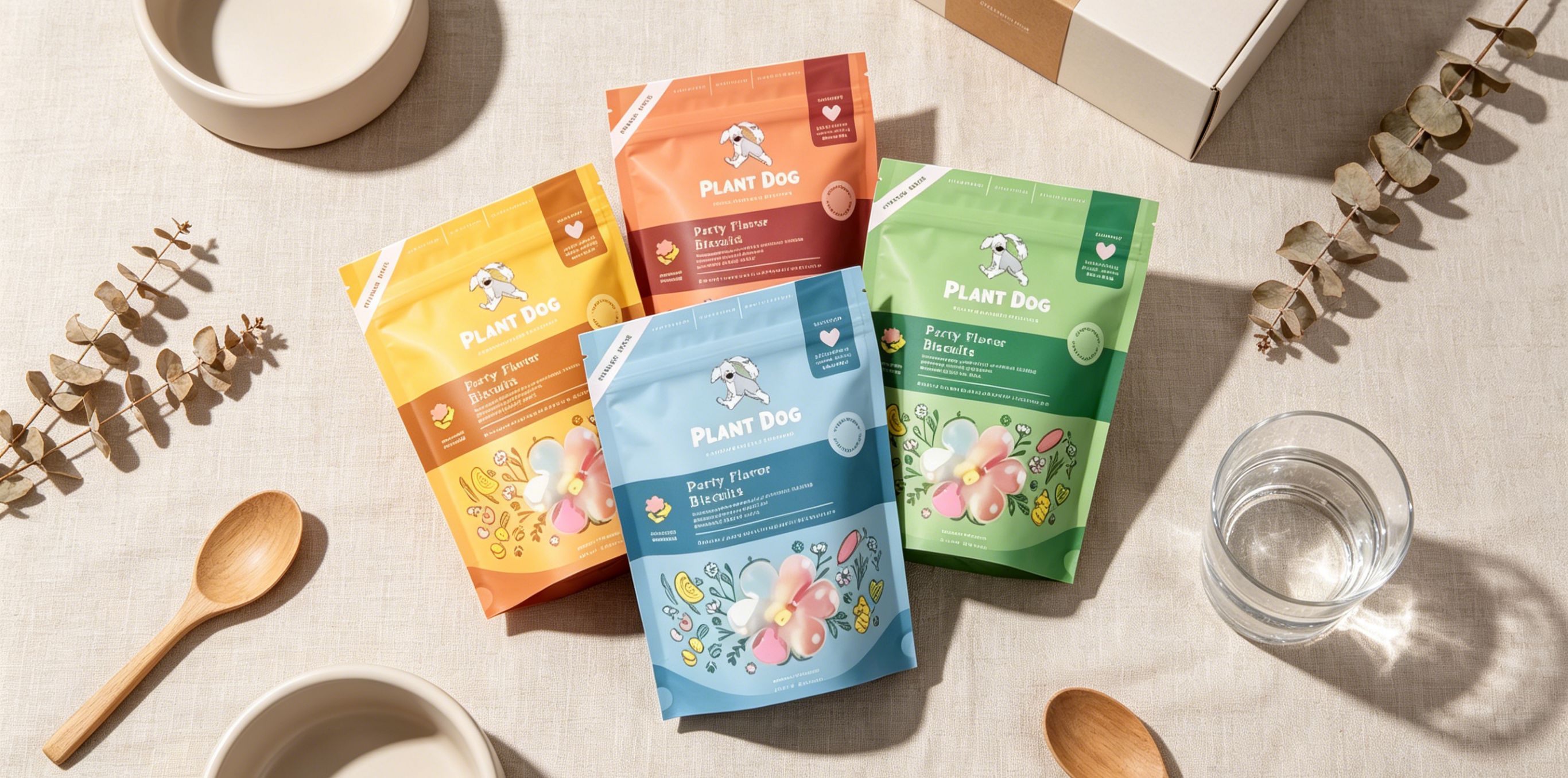
If you're exploring practical options, solutions such as eco-friendly flat bottom packaging bags can help brands strike that balance. They combine excellent barrier protection with reduced material consumption and a premium appearance, which is why they're increasingly favored across food and organic product categories.
What Is Eco Friendly Packaging?

People often assume that eco friendly packaging simply means using paper instead of plastic. In reality, it's much more nuanced than that.
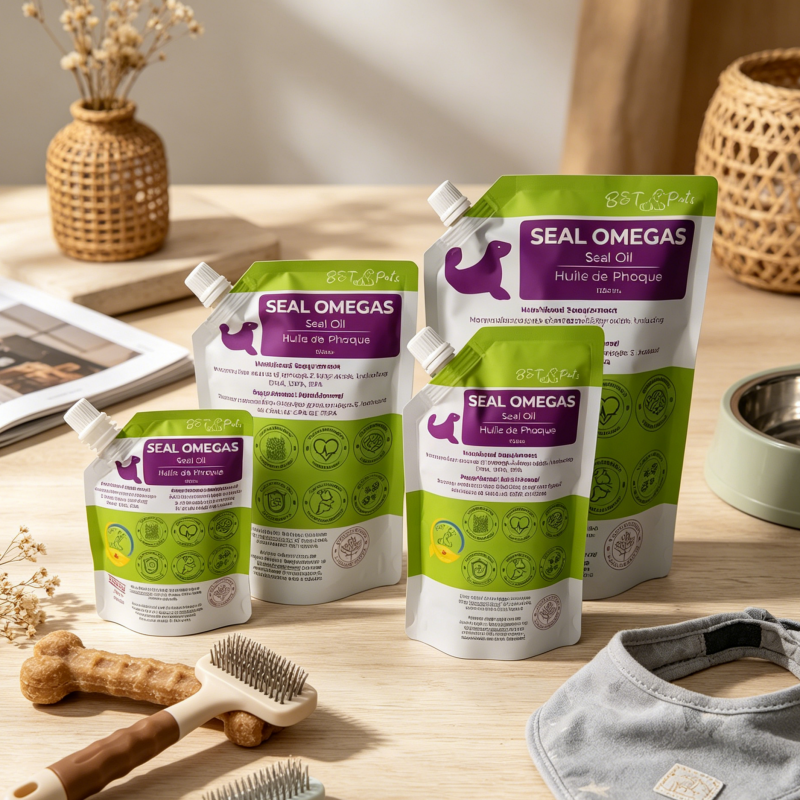
Eco friendly packaging refers to packaging designed to reduce environmental impact throughout its entire lifecycle. That includes where the raw materials come from, how much energy is used during manufacturing, how efficiently products are transported, and what happens once consumers are finished with the package.
Some packaging is designed to be recyclable within existing waste systems. Other solutions focus on compostability or incorporate post-consumer recycled content to reduce dependence on virgin materials. In certain cases, reusable packaging models may offer the most sustainable outcome. There isn't one universal answer, which is perhaps what makes packaging design both challenging and interesting.
According to the U.S. Environmental Protection Agency, sustainable materials management aims to minimize environmental impacts associated with materials throughout their entire lifecycle. It's this broader perspective that brands increasingly need to adopt.
- Recyclable Packaging: Packaging materials that can be collected, processed, and reused to create new products.
- Compostable Packaging: Materials designed to break down into natural elements under industrial or home composting conditions.
- Reusable Packaging: Packaging intended for multiple uses before disposal.
- Packaging with Recycled Content: Solutions incorporating post-consumer recycled (PCR) materials to reduce virgin plastic usage.
According to the U.S. Environmental Protection Agency (EPA), sustainable materials management focuses on reducing environmental impacts associated with material use across their entire life cycle.
It's also important to recognize that no single packaging material is universally "green." The most sustainable option depends on your product requirements, supply chain considerations, and local recycling infrastructure.
Key Principles of Sustainable Packaging Design
The strongest sustainable packaging strategies rarely rely on a single change. Instead, they emerge from a series of thoughtful decisions that work together.
The first principle is simple: use only what is necessary. Reducing excess material often delivers immediate environmental benefits while lowering production and shipping costs. Sometimes, a slightly thinner structure or a more efficient package shape can make a meaningful difference without affecting performance.
Reuse is another concept gaining traction. While not every product category is suited to reusable formats, designing packaging with features such as resealable closures or secondary household uses can extend its functional life.
Then comes recyclability. More brands are moving toward mono-material structures because they're easier for existing recycling systems to process. In fact, designing with end-of-life recovery in mind has become one of the most important considerations in modern packaging development.
Material replacement also plays a role. The goal isn't necessarily eliminating one material entirely but identifying alternatives that provide comparable protection with improved environmental outcomes.
At the same time, sustainability shouldn't come at the expense of practicality. Packaging still has a job to do. It needs to preserve freshness, protect products during transportation, and create a positive customer experience. Finding that balance between minimalism and functionality is where thoughtful design truly matters.
How to Design Eco Friendly Packaging Step by Step
Start by Understanding What Your Product Actually Needs
Before exploring sustainable materials, it's worth taking a step back and asking a few practical questions. Does your product require strong oxygen and moisture barriers? Is an extended shelf life essential? Will the packaging need to withstand long-distance transportation or varying climate conditions?
Different products have very different requirements. Coffee, for example, presents unique challenges because maintaining aroma and freshness is critical. Solutions such as eco-friendly coffee packaging bags allow brands to preserve product quality while moving toward more sustainable packaging goals.
Skipping this evaluation stage often leads to costly redesigns later. A packaging format that works beautifully for dry snacks may not perform nearly as well for premium roasted coffee.
Look for Opportunities to Reduce Material Usage
One of the easiest ways to improve packaging sustainability is surprisingly straightforward: use less material.
That doesn't necessarily mean compromising quality. Advances in packaging technology allow many brands to transition to lighter structures while maintaining durability and barrier performance. Sometimes the improvements are subtle—a more efficient pouch design, optimized dimensions, or the removal of unnecessary layers—but collectively, these changes can significantly reduce environmental impact.
Flexible packaging also tends to require fewer resources compared to rigid alternatives. It occupies less space during transportation, often resulting in lower carbon emissions throughout distribution.
Select Materials That Support Your Sustainability Goals
Material selection remains one of the most important decisions in sustainable packaging design. Every option comes with trade-offs, and the "best" material often depends on the product category and regional waste infrastructure.
| Material | Recyclable | Compostable | Barrier Performance | Common Applications |
|---|---|---|---|---|
| Mono PE | Yes | No | High | Snacks, Pet Food |
| Mono PP | Yes | No | Medium | Dry Foods |
| Kraft + PLA | Industrial Composting | Yes | Medium | Coffee, Organic Products |
| PCR Materials | Yes | No | High | Household Products |
| Paper-Based Laminates | Limited | Partial | Medium | Dry Goods |
For brands launching seasonal products or smaller production runs, digitally printed recyclable packaging solutions can be especially useful. Digital printing reduces setup waste and provides flexibility without requiring extremely large order quantities.
It's also worth noting that conversations around packaging sustainability are increasingly shaped by the principles of the circular economy, where materials remain in productive use for as long as possible rather than becoming waste after a single use.
Design with Recycling in Mind from the Beginning
Even recyclable materials can become problematic if packaging structures are unnecessarily complex. In practice, improving recyclability often comes down to simplifying design choices.
Mono-material constructions are becoming increasingly popular because they streamline the recycling process. Reducing excessive ink coverage, limiting metallized layers, and ensuring labels can be easily separated may seem like relatively small adjustments, but they can significantly improve actual recovery rates.
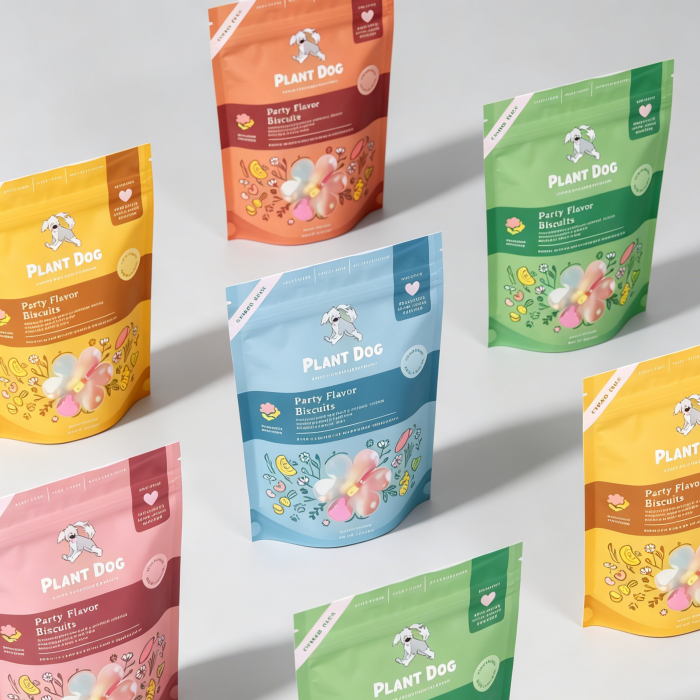
Packaging innovations such as recyclable mono-material stand-up pouches illustrate that brands no longer need to choose between attractive packaging and improved recyclability.
Meanwhile, regulations continue to evolve. The European Commission's packaging waste initiatives are pushing businesses toward packaging systems designed with circularity in mind. Staying ahead of these developments isn't just responsible; it's increasingly becoming a competitive advantage.
Optimize Packaging Dimensions for Greater Efficiency
When people think about sustainable packaging, materials usually get most of the attention. Yet packaging size deserves just as much consideration. A package that's larger than necessary doesn't just waste material; it also affects transportation efficiency, warehouse utilization, and ultimately, carbon emissions throughout the supply chain.
Even modest adjustments in dimensions can have a surprisingly significant impact. Smaller, well-designed packaging often allows more products to fit onto pallets and within shipping containers, reducing the number of shipments required over time. For brands managing large distribution networks, those efficiencies can translate into both environmental benefits and meaningful cost savings.
This is where the concept of Packaging Cube Efficiency becomes particularly valuable. In simple terms, it refers to maximizing the use of available space while minimizing unnecessary packaging volume. The goal isn't to create the smallest package possible, but rather the smartest one—one that protects the product effectively without carrying excess air around the world.
In our experience working with brands across food, coffee, and pet nutrition sectors, packaging optimization often reveals opportunities companies hadn't initially considered. Sometimes, a slight change in pouch structure or dimensions delivers benefits far beyond what anyone expected.
Communicate Sustainability Claims Clearly and Honestly
Designing sustainable packaging is only part of the equation. Communicating those efforts accurately matters just as much.
Consumers have become increasingly skeptical of broad environmental claims, and honestly, it's not difficult to understand why. Terms such as "green," "eco-safe," or simply "environmentally friendly" sound appealing but often lack clear definitions. Without supporting evidence, these statements can unintentionally create confusion—or worse, raise concerns about greenwashing.
The U.S. Federal Trade Commission's Green Guides encourage businesses to make environmental claims that are specific, substantiated, and easy for consumers to understand.
Instead of vague language, consider providing clear information such as:
"Recyclable where facilities exist."
"Made with 30% post-consumer recycled content."
"Industrial composting facilities required."
These types of statements help consumers make informed choices while strengthening trust in your brand. Transparency, even when the sustainability journey is still evolving, tends to resonate far more than perfection.
After all, most consumers don't expect brands to solve every environmental challenge overnight. What they do appreciate is honesty and continuous improvement.
How to Choose an Eco Friendly Packaging Manufacturer
Even the best packaging concept relies heavily on the capabilities of the manufacturer behind it. Choosing the right packaging partner can influence everything from material availability and regulatory compliance to lead times and product performance.
For brand owners, especially those expanding into international markets, working with an experienced packaging supplier often simplifies what can otherwise become a complex process.
As you evaluate potential manufacturers, it's worth paying attention to a few key areas. Certifications such as BRC, FDA compliance, ISO management systems, or FSC sourcing practices can provide reassurance that quality and sustainability standards are being taken seriously.
Equally important is understanding whether the supplier actively invests in sustainable innovation. Can they offer recyclable mono-material structures? Do they provide PCR material options? Are they familiar with regional packaging regulations affecting your target markets?
Questions like these tend to reveal far more than price alone ever could.
At DINGLI PACK, sustainability isn't approached as a standalone product category. Instead, it's integrated throughout the packaging development process. From recyclable flexible packaging solutions to custom printed eco-friendly structures, the focus remains on helping brands achieve their environmental goals without compromising functionality or visual impact.
Perhaps most importantly, a good packaging manufacturer should function as a collaborative partner rather than simply a supplier. Sustainable packaging often requires ongoing refinement, testing, and adaptation as regulations and consumer expectations evolve.
Eco Friendly Packaging Design Checklist
Before finalizing your packaging design, taking a step back to review the bigger picture can help prevent costly adjustments later. Sustainable packaging is rarely about making a single perfect decision. More often, it's about ensuring that multiple considerations align effectively.
Ask yourself whether the amount of material used has been optimized without sacrificing product protection. Consider if recyclable, compostable, or recycled-content materials have been evaluated appropriately for your product category and market requirements.
It may also be useful to revisit transportation efficiency. Are package dimensions contributing to unnecessary shipping volume? Could slight adjustments improve pallet utilization?
Environmental claims deserve equal attention. Ensure that any sustainability statements are accurate, verifiable, and aligned with current regulations. Clear disposal instructions can further support consumers in making responsible choices after purchase.
Finally, assess whether your packaging partner has the expertise and certifications needed to support your sustainability objectives over the long term. As packaging requirements continue to evolve, having the right manufacturing support can make a considerable difference.
While no checklist guarantees perfection, approaching packaging decisions with this broader perspective often leads to stronger outcomes—for businesses, consumers, and the environment alike.
The Future of Eco Friendly Packaging Is Practical, Not Perfect
There's sometimes a misconception that sustainable packaging requires dramatic compromises or significantly higher costs. In reality, the conversation has become much more practical.
The brands leading the transition toward sustainability aren't necessarily those pursuing flawless solutions from day one. More often, they're the ones willing to make meaningful improvements consistently—reducing unnecessary materials, selecting smarter packaging structures, communicating transparently, and partnering with suppliers who understand both performance and environmental responsibility.
Packaging design today sits at the intersection of consumer expectations, regulatory developments, operational efficiency, and brand storytelling. It's no longer just about protecting what's inside. Packaging itself has become part of the product experience and, increasingly, part of the values a brand represents.
For businesses navigating this shift, the process doesn't have to feel overwhelming. Small, well-informed decisions made today can create measurable improvements over time.
If you're exploring sustainable packaging solutions tailored to your products, contact the DINGLI PACK team to discuss your packaging goals. Whether you're developing recyclable packaging for food products, eco-friendly coffee pouches, or custom flexible packaging with improved sustainability credentials, we're here to help you find solutions that work in the real world—not just on paper.
Frequently Asked Questions
What is the most eco friendly packaging material?
There isn’t really a single “best” material that fits every product or situation. In reality, the right choice depends on what you’re trying to protect, how long it needs to stay fresh, and what kind of recycling systems exist in your target market.
For many brands right now, recyclable mono-material structures tend to be a practical middle ground. They don’t claim to solve everything, but they work well in real supply chains, especially for flexible packaging where performance still matters just as much as sustainability.
What packaging materials are easiest to recycle in both Europe and the US?
Paper, cardboard, PET, HDPE, and aluminum generally perform best across both regions. These materials benefit from relatively mature collection systems and higher recycling demand in secondary markets.
Are plastic bags and flexible pouches recyclable?
It depends on the structure. Mono-material plastic films like Mono-PE may be recyclable in some systems, while multi-layer laminated pouches are often not due to separation and processing limitations.
What is the difference between recyclable and compostable packaging?
Recyclable packaging is designed to be reprocessed into new materials, while compostable packaging breaks down under specific industrial or natural conditions. They belong to different waste streams and should not be treated as interchangeable.
How can brands ensure their packaging complies with EU and US regulations?
Brands need to consider both material selection and design structure. Working with an experienced supplier like DINGLI PACK helps ensure compliance with EU PPWR requirements and US EPA guidelines, especially when it comes to single-material design and verified recyclability claims.
ONE-STOP PACKAGING SOLUTION - From Concept to Shelf in 7 Days
At DINGLI PACK, we know how stressful packaging can be for small brands, store owners, and startups. That’s why we focus on making it simple, reliable, and tailored to your needs. From stand up pouches, coffee bags with valves, flat bottom bags, spout pouches, shrink sleeves...
Our team provides hands-on support—from free package design and material advice to practical OEM guidance—making sure your product looks great and stays protected. Want to see us in action? Check our Video Center.
With a 5,000 m² workshop and 24/7 support, we deliver fast replies, consistent quality, and peace of mind. Stay updated with our tips and stories in the News Section, or explore all our solutions on the Products Page.
We’re more than a supplier—we’re a partner who understands the challenges of growing a brand and is ready to make your packaging shine.
Address
Block B-29,
VanYang Crowd Innovation Park ,
No 1 ShuangYang Road,
YangQiao Town, BoLuo District,
HuiZhou City, 516157, China
Phone
Support: +86 13410678885
Hours
Monday-Friday: 9am to 6pm
Saturday, Sunday: Closed


Post time: Jun-08-2026