
In life, food packaging has the largest number and widest content, and most food is delivered to consumers after packaging. The more developed countries, the higher the packaging rate of goods.
In today's internationalized commodity economy, food packaging and commodities have been integrated. As a means of realizing commodity value and use value, it is increasingly playing an important role in the fields of production, circulation, sales and consumption.
Food packaging bags refer to film containers that are in direct contact with food and are used to contain and protect food.
1. What types of food packaging bags can be divided into?
(1) According to the production raw materials of the packaging bags:
It can be divided into low pressure polyethylene plastic bags, polyvinyl chloride plastic bags, high pressure polyethylene plastic bags, polypropylene plastic bags, etc.
(2) According to the different shapes of the packaging bags:
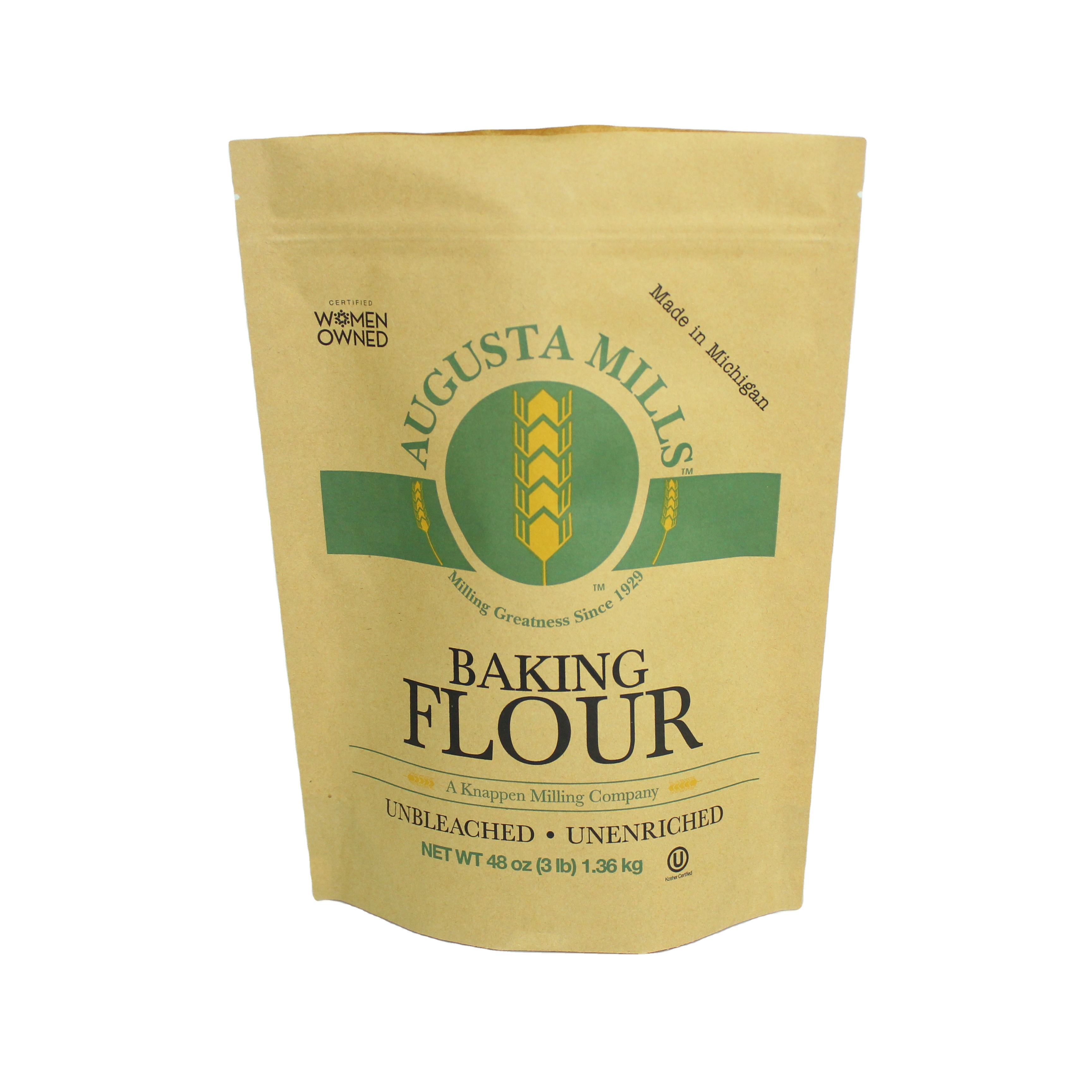
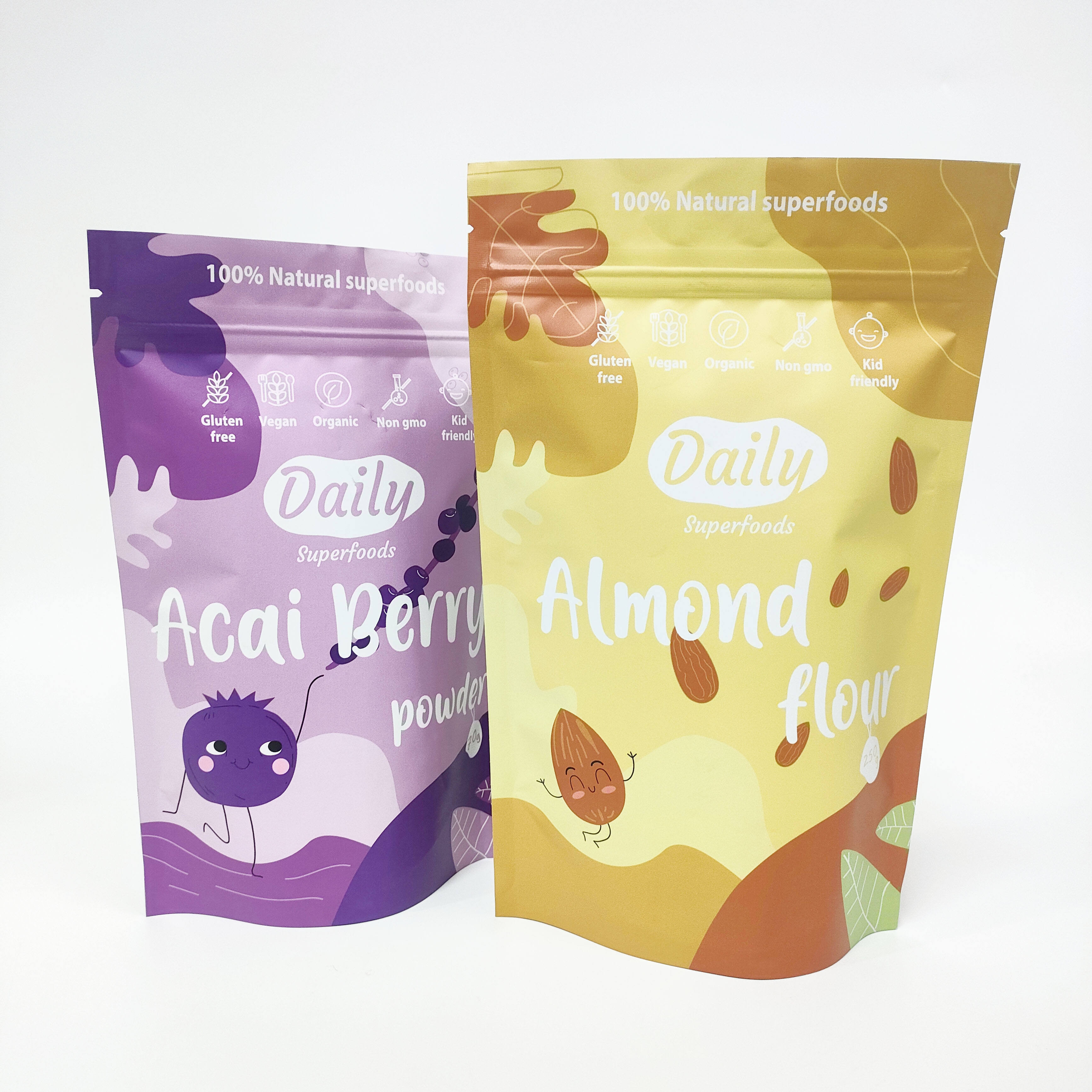
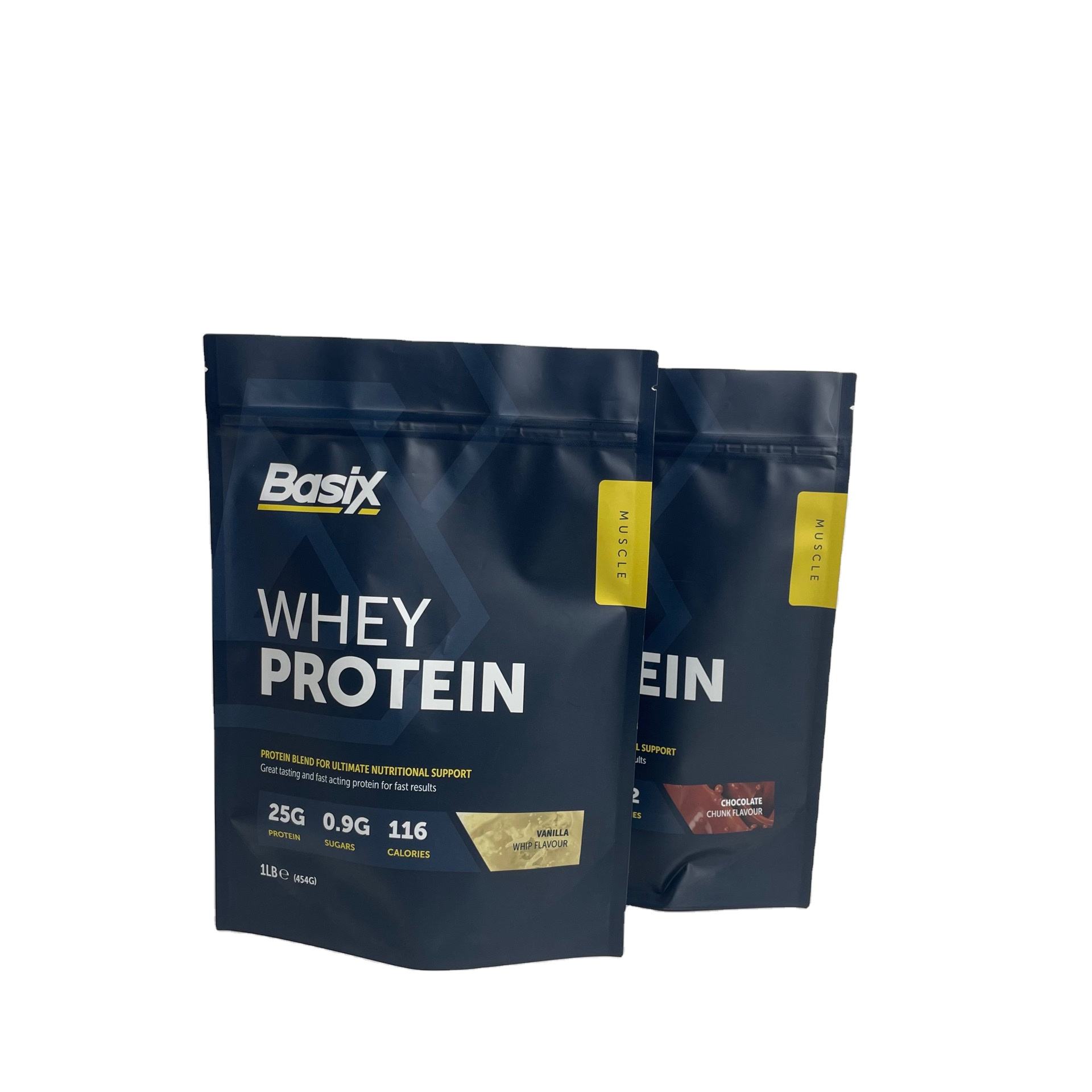
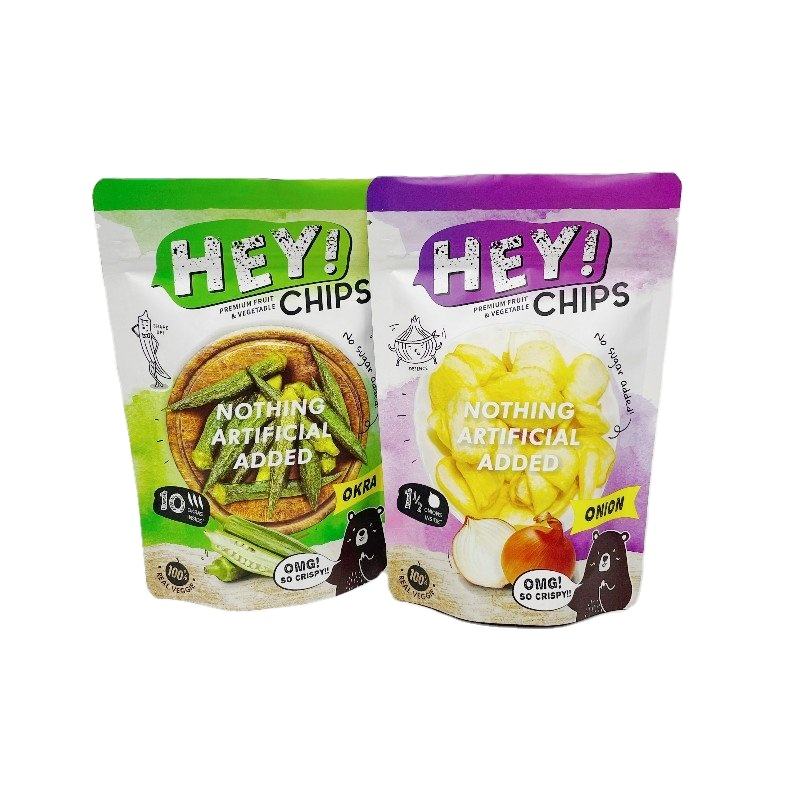
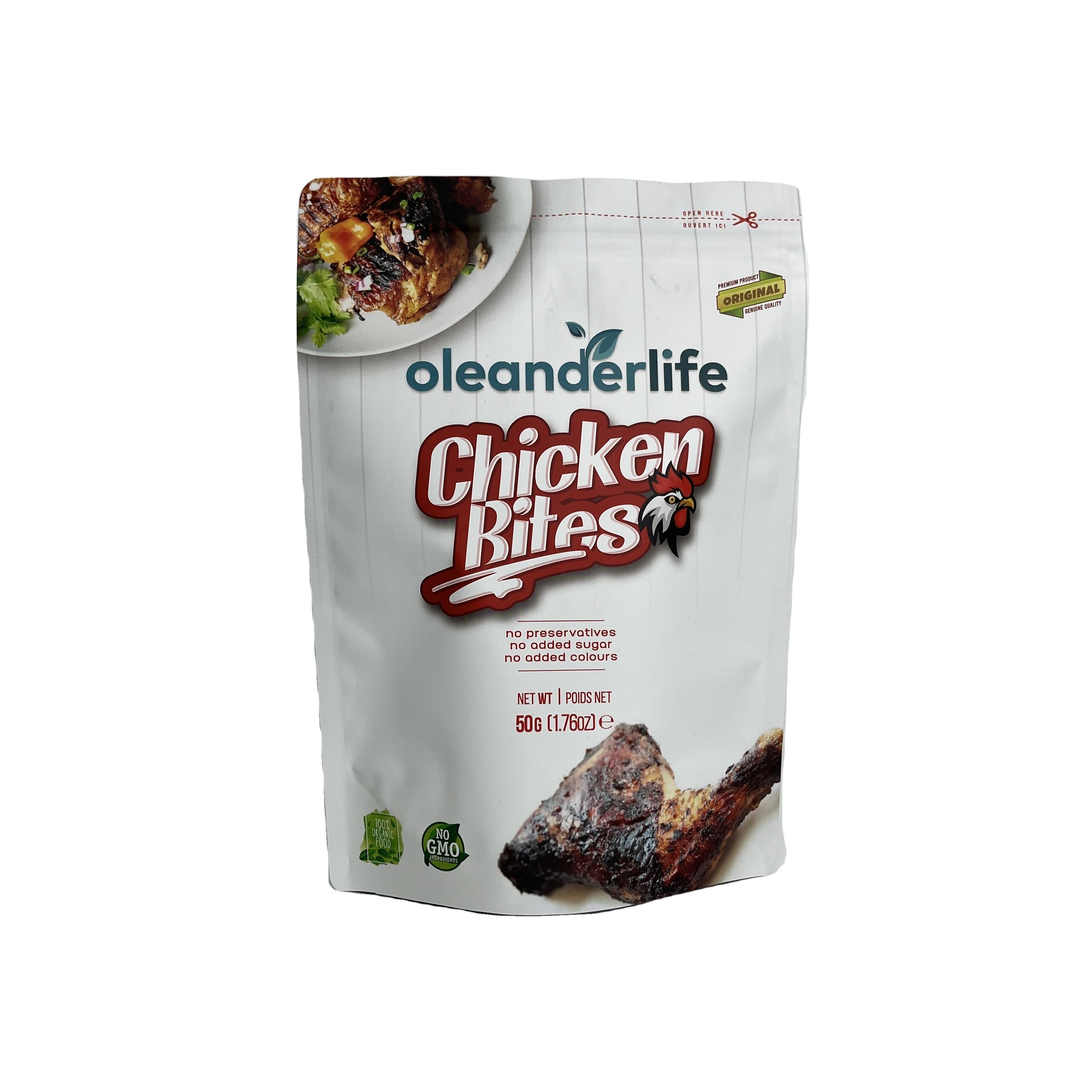
It can be divided into stand-up bags, sealed bags, vest bags, square bottom bags, rubber strip bags, sling bags, special-shaped bags, etc.
(3) According to the different packaging forms:
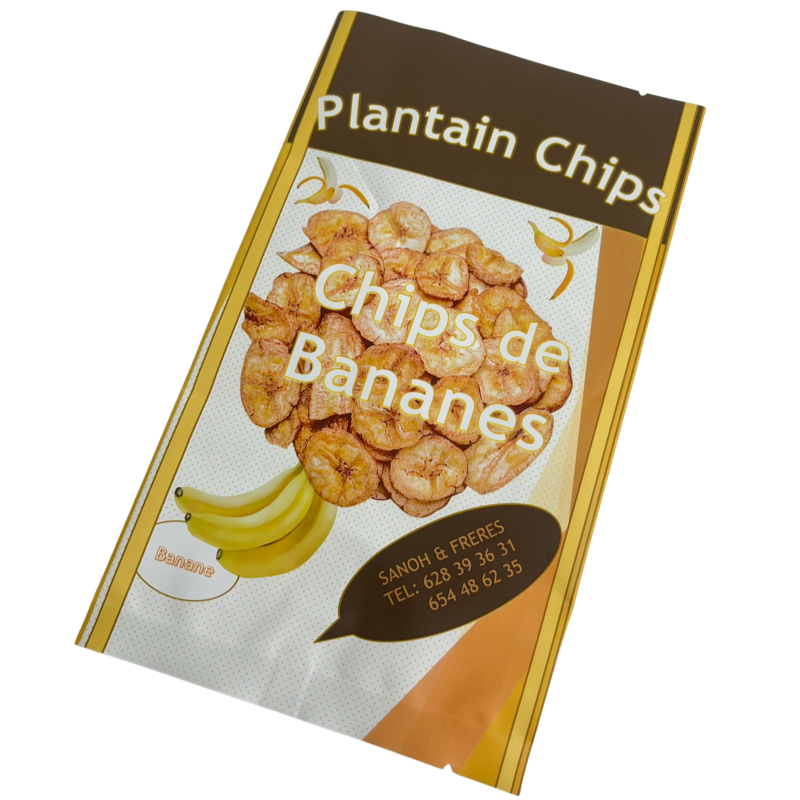
It can be divided into middle sealing bag, three-side sealing bag, four-side sealing bag, yin and yang bag, stand-up bag, zipper bag, nozzle bag, roll film and so on.
(4) According to the different functions of the packaging bags: it can be divided into high temperature cooking bags, high barrier bags, vacuum packaging bags and so on.
(5) According to the different production process of packaging bags: it can be divided into plastic packaging bags and composite packaging bags.
(6) Food packaging bags can be divided into:
Ordinary food packaging bags, vacuum food packaging bags, inflatable food packaging bags, boiled food packaging bags, retort food packaging bags and functional food packaging bags.
2. What are the main effects of food packaging bags
(1)Physical protection:
The food stored in the packaging bag needs to avoid extrusion, impact, vibration, temperature difference and other phenomena.
(2)Shell protection:
The outer shell separates the food from oxygen, water vapor, stains, etc., and leakage prevention is also a necessary factor in the packaging design.
(3)Convey information:
Packaging and labels tell people how the packaging or food is used, transported, recycled or disposed of.
(4)Safety:
Packaging bags can play an important role in reducing transport security risks. Bags can also prevent food from being included in other commodities. Food packaging also reduces the chance of food being stolen.
(5)Convenience:
Packaging may be provided to facilitate addition, handling, stacking, display, sale, opening, repacking, use and reuse.
Some food packaging is very strong and has anti-counterfeiting labels, which are used to protect the interests of merchants from losses. The packaging bag can have labels such as laser logo, special color, SMS authentication and so on.
3. What are the main materials of food vacuum packaging bags
The performance of food vacuum packaging materials directly affects the storage life and taste changes of food. In vacuum packaging, the selection of good packaging materials is the key to the success of packaging.
The following are the characteristics of each material suitable for vacuum packaging:
(1) PE is suitable for low temperature use, and RCPP is suitable for high temperature cooking;
(2) PA is to increase physical strength and puncture resistance;
(3) AL aluminum foil is used to increase the barrier performance and shading;
(4) PET, increasing mechanical strength and excellent stiffness.
4. What are the characteristics of high temperature cooking bags
High-temperature cooking bags are used to package various meat cooked food, which are convenient and hygienic to use.
(1)Material: NY/PE, NY/AL/RCPP, NY/PE
(2)Features: moisture-proof, temperature-resistant, shading, fragrance retention, toughness
(3)Applicable: high temperature sterilization food, ham, curry, grilled eel, grilled fish and braised meat products.
Frequently Asked Questions
Clear answers for food brands, manufacturers and packaging buyers.
What should buyers consider when choosing food packaging bags? +
Start with the product itself. Moisture sensitivity, oxygen exposure, oil content, light sensitivity, filling method and expected shelf life all influence the packaging structure. Bag format, sealing performance, transportation conditions and retail presentation should also be considered when developing custom food packaging.
What is the difference between vacuum bags and standard food pouches? +
Vacuum bags are designed to work with air-removal packaging processes and are commonly used for meat, seafood and other products requiring reduced oxygen exposure. Standard food pouches can use different structures and formats depending on the product, including stand-up pouches, zipper bags and three-side seal bags.
When should a brand choose a high-barrier packaging structure? +
High-barrier packaging is worth considering when oxygen, moisture, aroma or light can negatively affect the product. Coffee, snacks, dried foods, meat products and other sensitive foods may require stronger barrier protection. The final structure should be selected according to actual shelf-life and storage requirements.
Can flexible food packaging be made with recyclable materials? +
Yes. Depending on the product and required barrier performance, recyclable mono-material PE structures and other packaging solutions can be considered. Material selection should balance recyclability goals with sealing, barrier, durability and food-contact requirements.
What customization options are available for food packaging bags? +
Brands can typically customize bag size, shape, material structure, thickness, printing, surface finish and functional features. Options may include resealable zippers, tear notches, hang holes, windows, spouts and different sealing configurations. These details can be developed around the product and filling line.
How can I request a quote for custom food packaging? +
Send your required bag type, dimensions, material preference, quantity, artwork and intended food application to the packaging manufacturer. If you are unsure about the material structure, provide the product details and target market instead. A packaging specialist can then recommend a suitable structure and quotation.


Post time: Oct-22-2022