
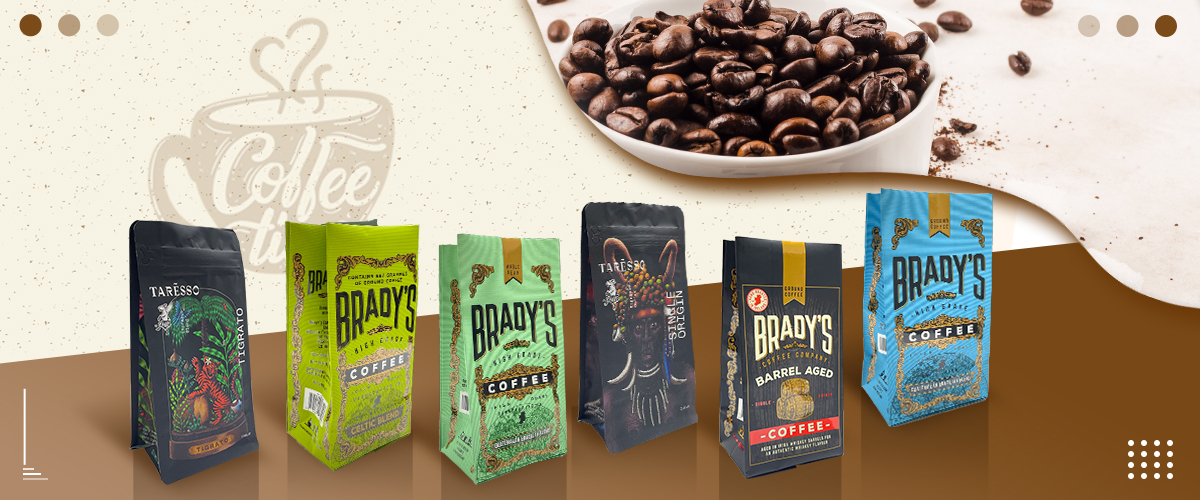
Have you ever looked at a coffee pouch and wondered whether it’s actually doing its job—or just “looking green” on the shelf? Most brands hit this point sooner or later. Packaging starts as a container, but for coffee, it quickly becomes something more sensitive: aroma protection, brand identity, and yes, environmental responsibility all at once.
That’s exactly where modern eco friendly coffee packaging is heading. And if you want to explore a real example of recyclable structure design, you can check this recyclable flat bottom coffee bag.
At DINGLI PACK, we’ve been seeing a clear shift. Coffee brands don’t just ask “is it sustainable?” anymore. They also ask: will it still keep my beans fresh after shipping halfway across the world? Fair question, honestly.
Market Shift: Sustainability Is No Longer Optional

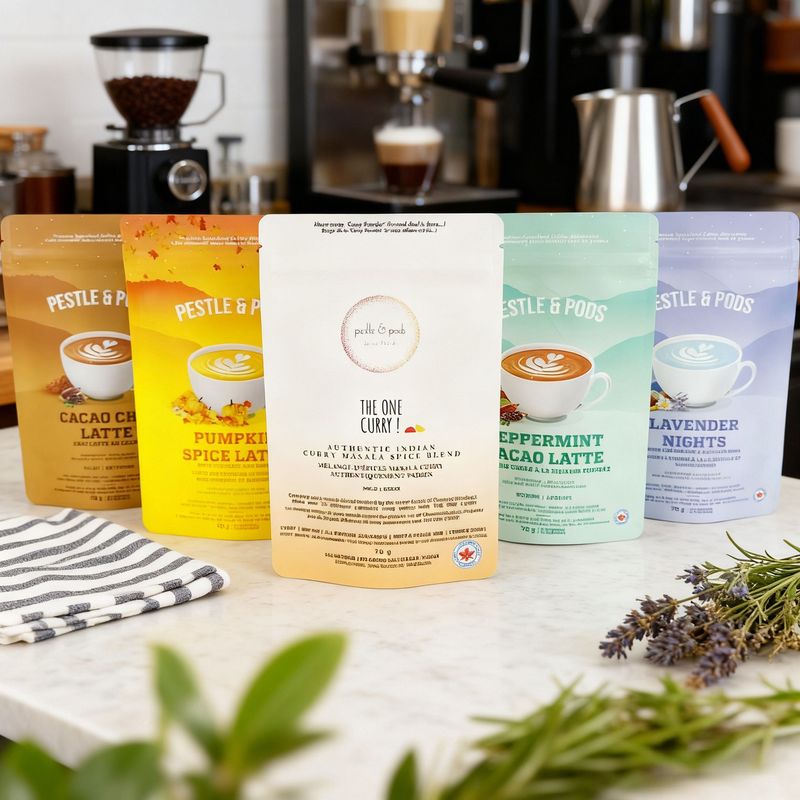
The sustainable packaging market keeps growing year after year. Reports from organizations like UNEP show how plastic waste is pushing industries toward recyclable and compostable alternatives. In Europe especially, regulations like the EU Packaging and Packaging Waste Regulation are reshaping how packaging is designed from the ground up.
Coffee just happens to be one of the earliest categories caught in this transition. It makes sense—coffee is emotional, daily, and closely tied to lifestyle branding. People notice the packaging more than you might think.
What Eco Friendly Coffee Packaging Actually Means
Let’s slow down for a second. “Eco friendly” gets used a lot, sometimes too loosely. In real terms, coffee packaging has to balance three things:
• Material sustainability
• Barrier protection (freshness)
• End-of-life recyclability or compostability
If one of these is missing, the system kind of breaks. For example, a fully compostable pouch that can’t protect aroma for 6 months… not very useful in real export supply chains.
A more balanced option is something like our eco friendly flat bottom coffee packaging bags, which are designed specifically for roasters who care about both branding and performance.
Best Eco Friendly Packaging Types for Coffee
There isn’t just one “perfect” structure. Different brands solve the problem in slightly different ways.
1. Kraft Paper Recyclable Pouches
Kraft packaging still works because it feels honest. Natural. A bit raw. Customers like that.
But the real performance comes from the inner structure. For moisture resistance, solutions like kraft paper stand up coffee bags combine visual texture with functional barrier layers.
2. Mono PE Recyclable Pouches
This is where things get interesting. Mono-material PE is basically designed for recycling systems. No mixed layers, fewer complications.
A good example is our mono PE recyclable stand up pouch. It’s not perfect for every use case, but it’s getting very close to being a mainstream standard in export packaging.
3. Compostable Packaging
Compostable sounds ideal on paper. And in some markets, it really works well.
Still, there’s infrastructure involved. Without industrial composting, the benefits drop quickly. That’s something brands often overlook at the beginning.
Our compostable coffee packaging range is built with higher barrier performance for exactly this reason.
Barrier Protection: Keeping Coffee Actually Fresh
Let’s be honest—sustainability doesn’t matter much if the coffee tastes flat after two weeks.
Two key metrics matter here:
OTR (Oxygen Transmission Rate) and WVTR (Water Vapor Transmission Rate).
Lower OTR means less oxygen gets in. Lower WVTR means moisture stays out. Coffee roasts respond differently—light roast tends to be more sensitive, while dark roast is slightly more stable, but still not immune.
In practice, we run accelerated aging tests to simulate 6–12 months of shelf life. It’s not glamorous work, but it’s what makes packaging reliable in real logistics conditions.
For reference, safety and packaging standards are often aligned with guidelines from the U.S. FDA Food Packaging Regulations.
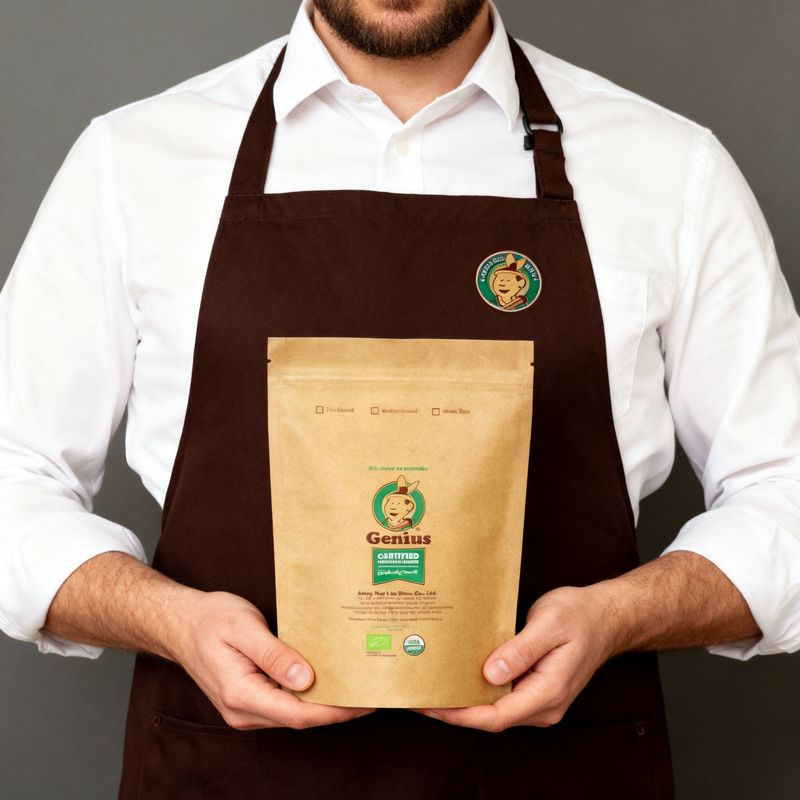
Customization: Where Branding Meets Sustainability
Here’s where most coffee brands spend their time—design, visuals, and shelf impact.
But sustainable printing is a bit more technical than it looks.
Water-based inks reduce emissions. Soy inks offer richer tones. And then there’s uncoated printing, which keeps recyclability intact but changes how the final product feels in hand.
Some premium effects like hot stamping or UV coating are slowly being replaced with more material-friendly techniques. Not always as shiny, but often more aligned with sustainability goals.
MOQ and Real-World Cost Balance
Cost depends on structure complexity, printing method, and order volume. Small roasters often start with flexible MOQ runs, while larger brands optimize cost through scale.
It’s rarely a “one step” decision. Most brands evolve their packaging over time rather than switching everything at once.
Final Thoughts
Eco friendly coffee packaging isn’t about choosing between “green” and “strong.” It’s about finding the point where both can coexist without compromise.
And honestly, that balance keeps shifting as materials improve and regulations tighten. What feels advanced today might be standard in a couple of years.
If you want to explore more packaging systems or talk through a specific project, you can always reach us here: contact DINGLI PACK.
We’re not trying to oversell anything. It’s more like—we help brands figure out what actually works in the real world, not just on paper.
Frequently Asked Questions
What is the best eco friendly coffee packaging for roasters?
The best option usually depends on your brand positioning and distribution needs. For most roasters, mono material recyclable coffee packaging has become the most balanced solution because it offers both sustainability and reliable barrier protection.
At DINGLI PACK, we often recommend structures like recyclable coffee bags made from mono PE or kraft-based composites, especially for brands shipping internationally where freshness matters as much as environmental compliance. It’s not about choosing “the greenest” option, but the one that actually works in real supply chains.
Are compostable coffee bags really better than recyclable ones?
This is a common question, and honestly the answer is: it depends on your market infrastructure.
Compostable coffee packaging bags can be excellent in regions with industrial composting systems, but in many countries, they still end up in landfill due to lack of facilities.
From a B2B manufacturing perspective, DINGLI PACK usually suggests brands evaluate lifecycle reality first. In many export cases, recyclable coffee packaging solutions perform more consistently in both compliance and logistics.
How long can eco friendly coffee packaging keep coffee fresh?
Shelf life depends on barrier performance, not just material label. High-quality eco friendly coffee packaging bags with proper OTR and WVTR control can typically maintain freshness for 6–12 months under controlled storage conditions.
Can I customize eco friendly coffee packaging with my brand design?
Yes, customization is fully possible—even for sustainable structures.
Modern custom coffee packaging manufacturer capabilities include water-based inks, soy-based inks, and low-impact printing technologies that maintain recyclability while delivering strong shelf branding.
At DINGLI PACK, we support full OEM/ODM development for eco friendly coffee packaging solutions, including flat bottom bags, stand up pouches, and valve coffee bags, so brands don’t have to sacrifice visual identity to meet sustainability goals.
How can brands ensure their packaging complies with EU and US regulations?
Brands need to consider both material selection and design structure. Working with an experienced supplier like DINGLI PACK helps ensure compliance with EU PPWR requirements and US EPA guidelines, especially when it comes to single-material design and verified recyclability claims.
ONE-STOP PACKAGING SOLUTION - From Concept to Shelf in 7 Days
At DINGLI PACK, we know how stressful packaging can be for small brands, store owners, and startups. That’s why we focus on making it simple, reliable, and tailored to your needs. From stand up pouches, coffee bags with valves, flat bottom bags, spout pouches, shrink sleeves...
Our team provides hands-on support—from free package design and material advice to practical OEM guidance—making sure your product looks great and stays protected. Want to see us in action? Check our Video Center.
With a 5,000 m² workshop and 24/7 support, we deliver fast replies, consistent quality, and peace of mind. Stay updated with our tips and stories in the News Section, or explore all our solutions on the Products Page.
We’re more than a supplier—we’re a partner who understands the challenges of growing a brand and is ready to make your packaging shine.
Address
Block B-29,
VanYang Crowd Innovation Park ,
No 1 ShuangYang Road,
YangQiao Town, BoLuo District,
HuiZhou City, 516157, China
Phone
Support: +86 13410678885
Hours
Monday-Friday: 9am to 6pm
Saturday, Sunday: Closed


Post time: Jun-15-2026