
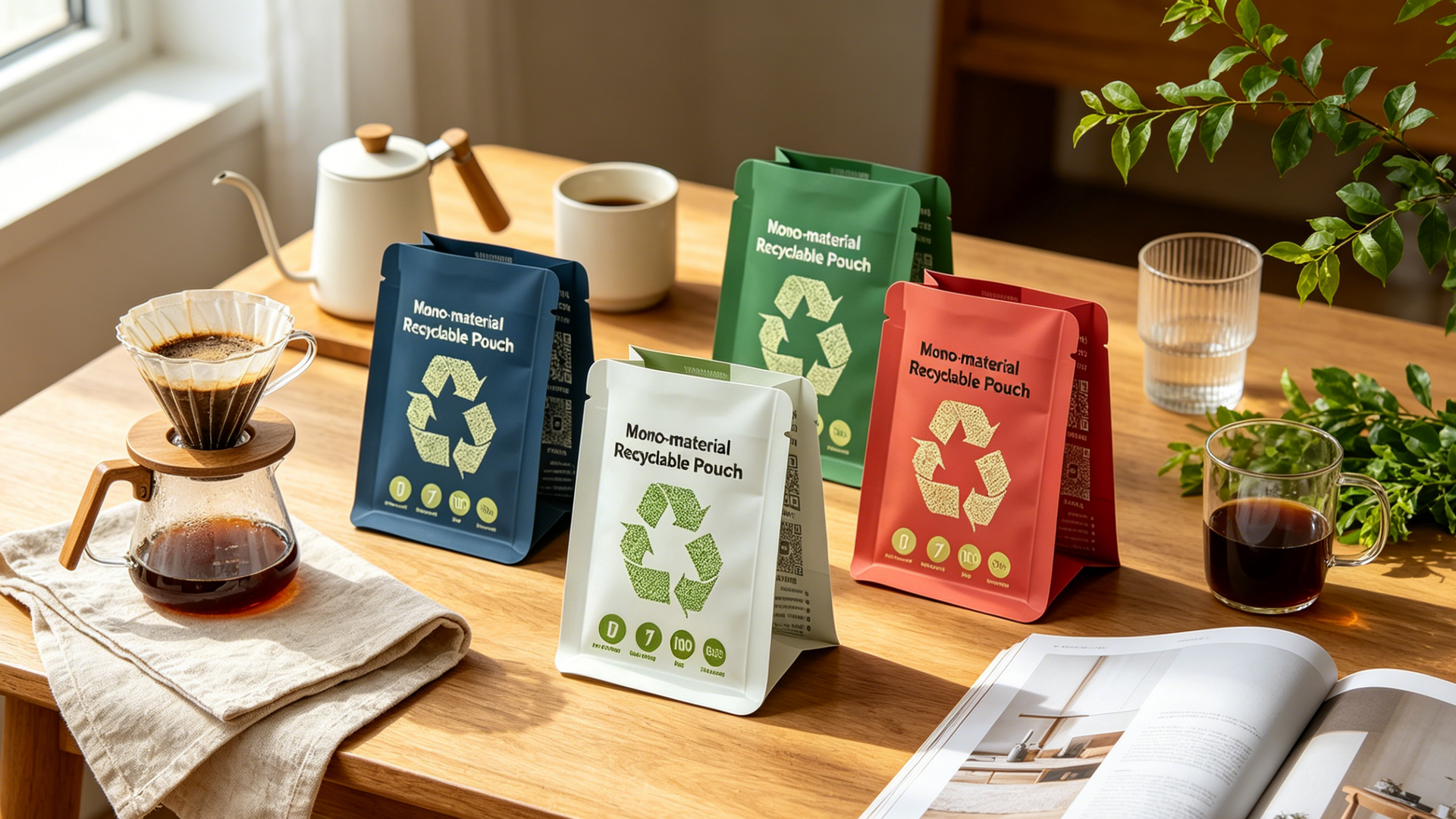
Have you ever made the switch to “sustainable coffee packaging” and then slowly started noticing things going slightly off—aroma not holding as long as before, shelf presence getting weaker, or packaging costs creeping higher without a clear reason?
This situation is more common than most brands expect. Sustainability sounds simple at first glance, but once you actually apply it to coffee packaging, it starts affecting everything: barrier structure, printing behavior, supply chain stability, even how customers perceive your product on the shelf.
We’ll walk through the most common mistakes coffee brands make during this transition, and more importantly, how to avoid them without losing product performance or brand identity. If you're exploring real production-ready solutions, this type of structure is a good reference point, especially for roasters looking for balanced performance and sustainability: eco friendly flat bottom coffee packaging bags for roasters.
At DINGLI PACK, we’ve worked with hundreds of coffee brands through this exact shift, and one thing is clear: the brands that succeed don’t just “switch materials”, they redesign the whole packaging logic.
Why Coffee Packaging Is Moving Toward Sustainable Materials

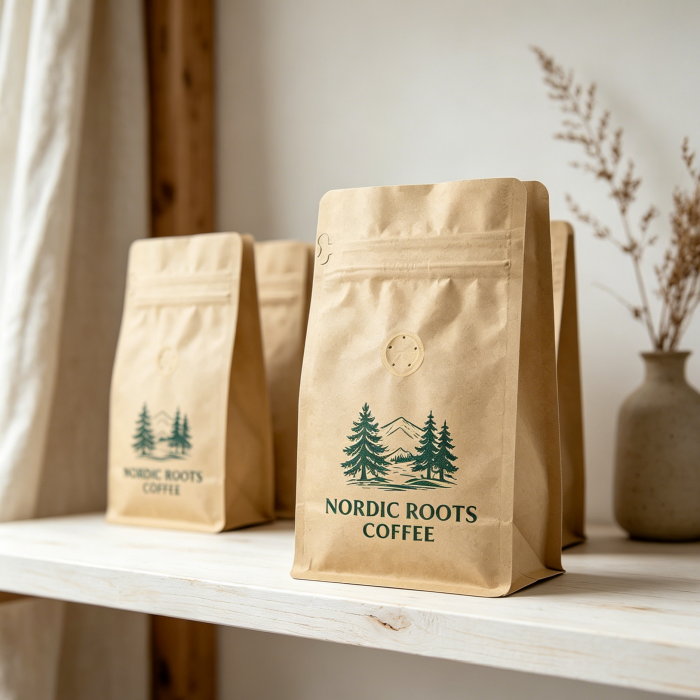
The shift toward sustainable coffee packaging isn’t random. It’s being pushed from two directions at the same time: regulation and brand positioning. And honestly, both are getting stronger every year.
In Europe, frameworks like the EU Packaging and Packaging Waste Regulation (PPWR) are tightening recyclability requirements and pushing brands toward more standardized material systems. You can see the official direction here: EU Packaging Waste Regulation.
On the branding side, coffee is no longer just about taste. Retailers and consumers increasingly expect packaging to reflect ESG thinking. That means your bag is no longer just protection—it’s communication.
Not sure which sustainable coffee packaging fits your brand yet?
Explore real production-ready solutions designed for roasters, wholesalers, and private label brands.
Mistake #1 — Choosing “Eco Materials” Without Considering Barrier Performance
This is probably the most expensive mistake we see in real production.
A brand switches from traditional multilayer plastic to kraft paper or compostable film, everything looks good at first, but a few weeks or months later, the coffee starts losing freshness faster than expected. Not dramatically—but enough for customers to notice.
The issue is simple: coffee is extremely sensitive to oxygen and moisture. If barrier performance drops, product quality drops with it.
Instead of “pure material switching”, more stable systems are usually used, such as mono-material PE structures or EVOH barrier solutions. For example, this type of format is widely used by specialty roasters who need both sustainability and shelf stability: custom printed flat bottom coffee bags with degassing valve.
The key idea here is simple: sustainability cannot come at the cost of freshness. If it does, the packaging fails its primary job.
Switching to sustainable coffee packaging without losing shelf impact?
We help coffee brands balance barrier performance, compliance, and branding in one system.
Mistake #2 — Confusing “Recyclable” and “Compostable
These two terms get mixed up constantly, even by experienced brands. But they actually belong to completely different waste systems.
Recyclable packaging depends on municipal recycling infrastructure. Compostable packaging depends on industrial composting systems. And here’s the problem: infrastructure is still inconsistent across regions.
The Ellen MacArthur Foundation has repeatedly highlighted that global recycling systems are still far from a closed-loop reality: Ellen MacArthur Foundation – Plastics overview.
So when brands choose compostable materials without checking local infrastructure, they often end up with packaging that looks sustainable on paper but doesn’t actually get processed correctly in real life.
Mistake #3 — Losing Shelf Impact in the Name of Minimalism
Sustainability often pushes brands toward softer visuals, reduced ink usage, and minimalist layouts. That can work—but only to a point.
We’ve seen cases where brands go so minimal that their products start blending into competitors on the shelf. And in coffee retail, shelf competition is intense.
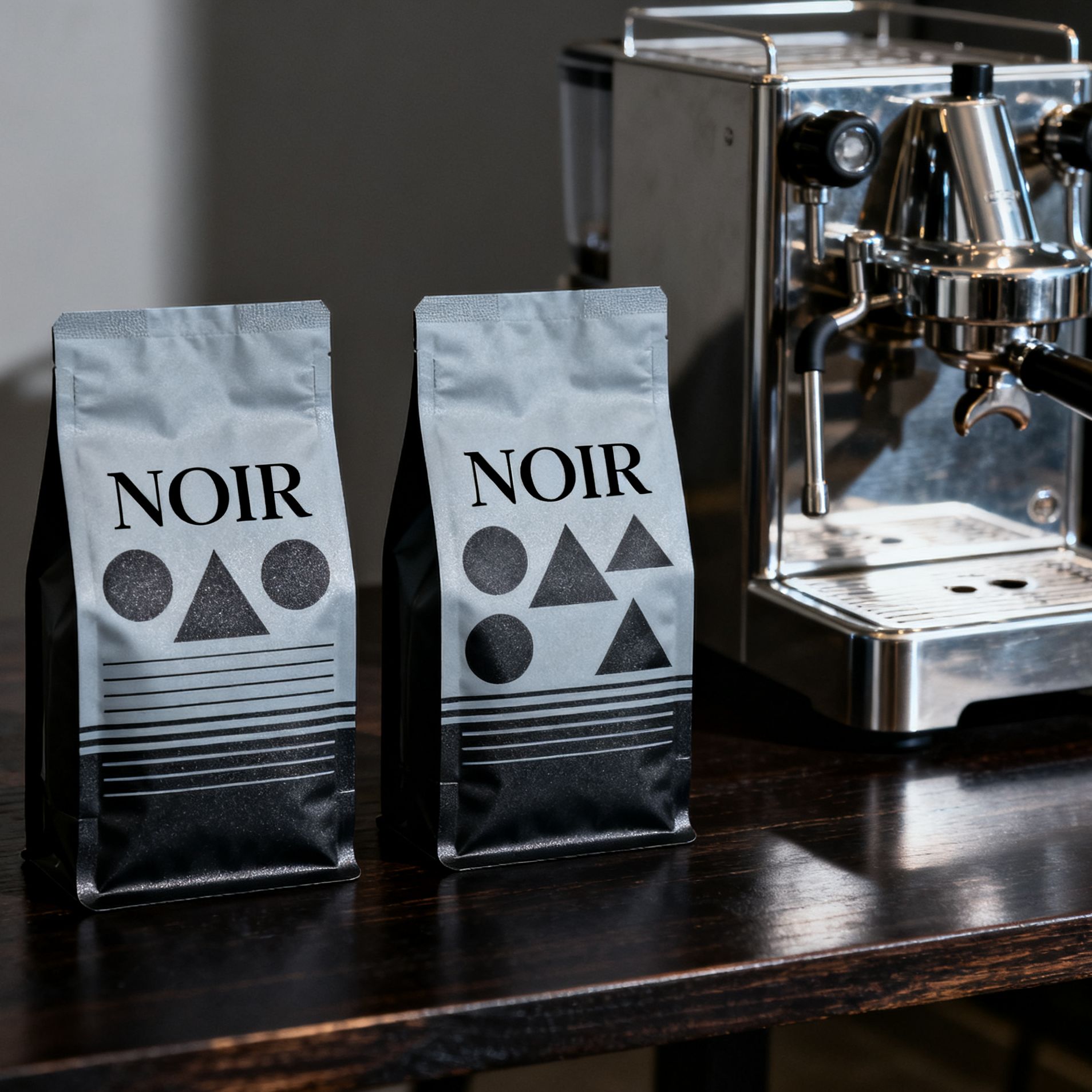
The better approach is not “less design”, but “smarter structure”—keeping strong visual anchors like color identity, logo hierarchy, and contrast, while still using sustainable materials underneath.
Mistake #4 — Choosing Compostable Without Checking Real Infrastructure
This is one of those mistakes that sounds responsible but often doesn’t work in practice.
Globally, industrial composting access is still limited. Many consumers simply don’t have a proper place to dispose of compostable packaging.
So even if the material is certified compostable, it may still end up in landfill because the system isn’t available locally.
That’s why many brands in Europe are moving toward mono-material recyclable structures instead. For example, moisture-resistant kraft paper-based solutions are often used when balancing durability and recyclability: moisture resistant kraft paper coffee packaging bags.
In short, the material only works if the system around it works too.
Mistake #5 — Making Green Claims Without Real Certification
This is where things start to become more sensitive from a compliance perspective.
In the EU, under upcoming PPWR regulations, vague claims like “eco-friendly” or “green packaging” are being restricted unless supported by measurable data. In the US, the FTC Green Guides also require environmental claims to be properly substantiated: FTC Green Guides – Environmental marketing claims.
A common issue we see is brands assuming partial certification equals full packaging certification. For example, one layer might be compostable, but the valve, adhesive, or ink is not—but the entire bag is still marketed as compostable.
That gap is exactly where compliance risks happen.
Mistake #6 — Poor Disposal Instructions That Customers Ignore
This sounds small, but it actually has a big impact on real-world sustainability performance.
Most disposal instructions are either too technical or placed where no one looks—often at the bottom of the bag in small print.
The problem is simple: if people don’t understand it in a few seconds, they ignore it.
Better design usually follows a few simple rules: visible placement, icon-based instructions, and plain language instead of technical standards.
Something like “Please send to industrial composting facility” works far better than referencing certification codes that consumers don’t recognize.
How DINGLI PACK Helps Coffee Brands Get This Right
At this point, it’s probably clear that sustainable coffee packaging isn’t just a material swap. It’s a system-level decision involving structure, compliance, and production reality.
Coffee packaging has specific technical demands—high barrier performance, degassing valve integration, food-grade safety, and high-quality printing. Not every “eco material” can handle that.
DINGLI PACK has been working in food-grade flexible packaging for over 15 years, supporting more than 500 coffee brands globally, from European specialty roasters to large-scale North American brands.
If you want to understand how we approach sustainable packaging from design to production, you can explore our main site here: DINGLI PACK official website
Or if you want to discuss a specific project directly, this is the easiest way to reach our team: contact DINGLI PACK
For brands expanding into beverage categories beyond coffee, solutions like this eco-friendly drink pouch system are often part of the same sustainability roadmap: eco friendly drink pouch packaging.
Final Thought
Sustainable packaging is no longer about intention. Most coffee brands already want to do it.
The real difference comes from execution—how well you balance barrier performance, compliance, cost, and brand presentation at the same time.
And in practice, the brands that succeed are usually the ones that treat packaging not as a material choice, but as a system decision.
Frequently Asked Questions
What is the best sustainable packaging for coffee beans?
The best option depends on barrier needs and market regulations. Most B2B roasters now choose recyclable mono-material structures such as mono material coffee packaging bags because they balance sustainability and freshness protection. At DINGLI PACK, we design solutions based on shelf life, roasting level, and distribution channels.
Are recyclable coffee bags really eco-friendly?
Yes, but only when they are designed for real recycling systems. Many recyclable coffee packaging solutions still fail in practice if local infrastructure is not compatible. That’s why DINGLI PACK always aligns material selection with target market regulations.
Are plastic bags and flexible pouches recyclable?
It depends on the structure. Mono-material plastic films like Mono-PE may be recyclable in some systems, while multi-layer laminated pouches are often not due to separation and processing limitations.
What is the difference between recyclable and compostable packaging?
Recyclable packaging is designed to be reprocessed into new materials, while compostable packaging breaks down under specific industrial or natural conditions. They belong to different waste streams and should not be treated as interchangeable.
How can brands ensure their packaging complies with EU and US regulations?
Brands need to consider both material selection and design structure. Working with an experienced supplier like DINGLI PACK helps ensure compliance with EU PPWR requirements and US EPA guidelines, especially when it comes to single-material design and verified recyclability claims.
Need a custom sustainable coffee packaging solution for your brand?
From structure design to mass production, we support global coffee brands end-to-end.
ONE-STOP PACKAGING SOLUTION - From Concept to Shelf in 7 Days
At DINGLI PACK, we know how stressful packaging can be for small brands, store owners, and startups. That’s why we focus on making it simple, reliable, and tailored to your needs. From stand up pouches, coffee bags with valves, flat bottom bags, spout pouches, shrink sleeves...
Our team provides hands-on support—from free package design and material advice to practical OEM guidance—making sure your product looks great and stays protected. Want to see us in action? Check our Video Center.
With a 5,000 m² workshop and 24/7 support, we deliver fast replies, consistent quality, and peace of mind. Stay updated with our tips and stories in the News Section, or explore all our solutions on the Products Page.
We’re more than a supplier—we’re a partner who understands the challenges of growing a brand and is ready to make your packaging shine.
Address
Block B-29,
VanYang Crowd Innovation Park ,
No 1 ShuangYang Road,
YangQiao Town, BoLuo District,
HuiZhou City, 516157, China
Phone
Support: +86 13410678885
Hours
Monday-Friday: 9am to 6pm
Saturday, Sunday: Closed


Post time: Jun-26-2026