
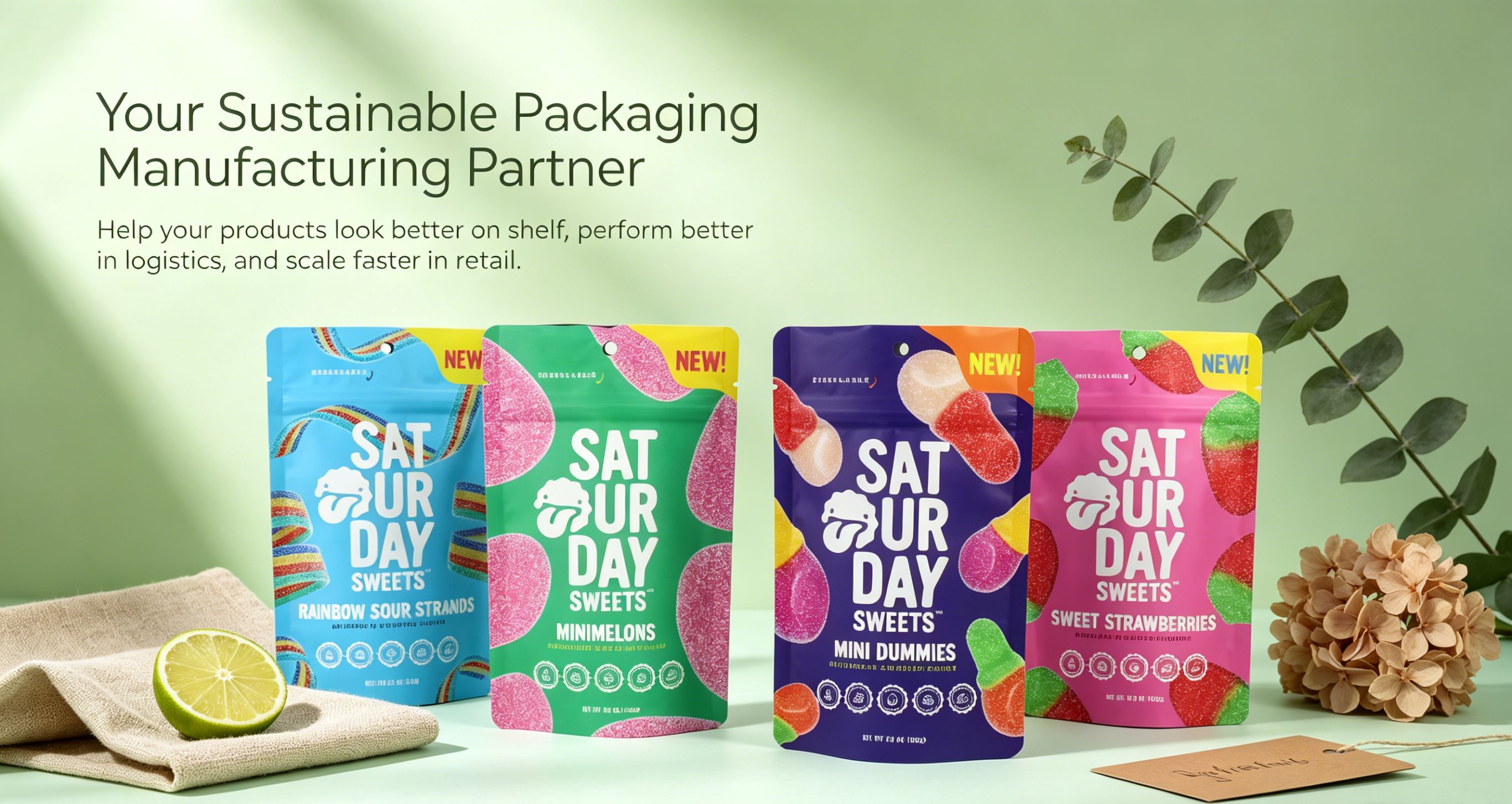
Starting August 12, 2026, the EU will begin enforcing stricter packaging regulations, and for many brands, this is no longer just another “future sustainability topic.” Non-compliant packaging could lead to penalties reaching up to 4% of annual global turnover, while thousands of shipments have already faced customs delays because of packaging-related issues.
For growing brands, especially those selling into Europe or premium retail channels, Eco-friendly packaging is quietly becoming a branding tool, and a competitive advantage all at once.
Why Are More Brands Switching to Eco-Friendly Packaging?

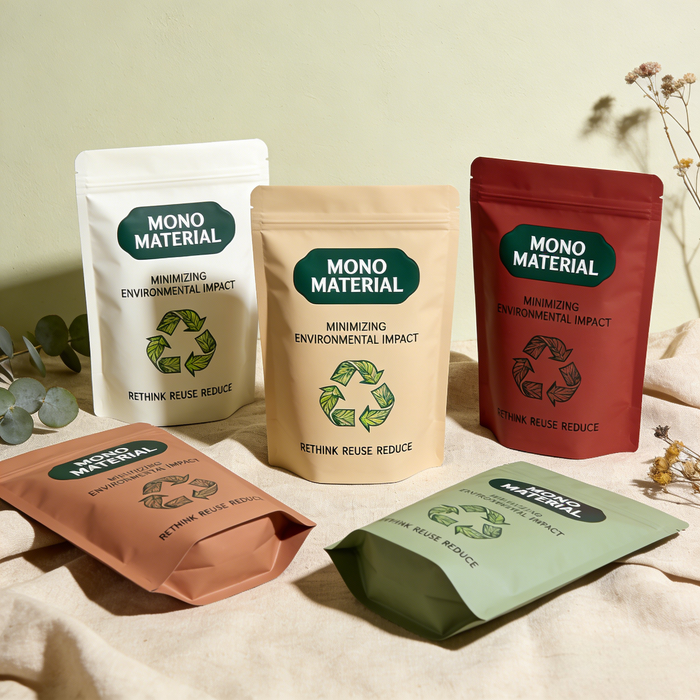
Consumer expectations have changed fast. People now notice packaging almost as much as the product itself. A pouch that feels recyclable, minimal, or responsibly designed immediately changes how a brand is perceived. It signals something subtle but powerful — quality, transparency, and modern thinking.
That’s one reason more companies are moving toward recyclable packaging, mono-material structures, and compostable flexible packaging. Not simply because regulations are tightening, but because sustainable packaging has started influencing retail access, customer loyalty, and even social media perception.
At DINGLI PACK, we work with food, coffee, wellness, and pet brands looking for packaging that feels premium while still meeting real sustainability goals. Products like custom sustainable stand up pouches have become especially popular among brands that want recyclable solutions without sacrificing shelf impact or product protection.
In this guide, we’ll walk through what eco-friendly packaging actually means today, how different sustainable materials compare, what mistakes brands often make during the transition, and how to choose packaging that genuinely works for your business instead of simply looking “green.”
What Is Eco-Friendly Packaging?
The term “eco-friendly packaging” gets used everywhere now, but in reality, it covers a surprisingly wide range of materials and packaging systems.
At its core, eco-friendly packaging refers to packaging designed to reduce environmental impact in some way — whether that means improving recyclability, reducing virgin plastic usage, lowering carbon emissions, or supporting circular reuse systems.
One common misconception, though, is that sustainable packaging automatically means paper packaging. That isn’t always true. In fact, many paper pouches on the market still contain laminated plastic layers that make recycling difficult. Meanwhile, some modern mono-material PE structures are actually far easier to recycle while offering much better moisture and oxygen protection.
So sustainability is rarely about choosing the “most natural-looking” material. It’s more about understanding how the entire packaging structure behaves after use, and whether it realistically fits existing recycling systems.
Today, most sustainable flexible packaging falls into a few major categories.
Recyclable Packaging
Recyclable packaging is currently one of the fastest-growing segments in the flexible packaging industry, especially across Europe and North America. Many brands are moving toward PE or PP mono-material structures because they simplify sorting and recycling processes compared to traditional mixed laminates.
For products that still require strong barrier performance, solutions like custom recyclable stand-up pouch bags allow brands to balance recyclability with shelf life protection — something that’s become increasingly important for coffee, snacks, supplements, and pet food.
Mono-Material Packaging
Mono-material packaging simply means the pouch is made from one material family instead of multiple incompatible layers. That sounds technical, but the commercial advantage is actually pretty straightforward: easier recycling, better compliance potential, and often a more future-proof packaging structure.
Many large FMCG brands are already shifting heavily in this direction because upcoming EU regulations are expected to favor packaging that fits existing recycling streams more efficiently.
Compostable Packaging
Compostable packaging has also gained attention, particularly among organic brands, refill-product companies, and wellness startups that want stronger sustainability storytelling.
Solutions like compostable stand-up pouches can work beautifully for certain applications, especially when brand positioning matters just as much as functionality.
That said, compostable packaging is not automatically the “best” option for every product. Some compostable materials still have limitations when it comes to moisture resistance, oxygen barriers, or local disposal infrastructure. That’s why choosing sustainable packaging always requires looking at the full picture rather than following trends blindly.
PCR Packaging
PCR, or post-consumer recycled packaging, uses recycled resin collected from consumer waste streams. More brands are exploring PCR materials because they help reduce reliance on virgin plastics while supporting future recycled-content regulations.
For many companies, PCR packaging also adds another layer of credibility to sustainability messaging — especially in retail environments where consumers increasingly expect visible environmental efforts from brands.
Why Are More Brands Switching to Sustainable Packaging?
There isn’t just one reason anymore. It’s really a combination of regulation, consumer behavior, retailer pressure, and changing market expectations all happening at the same time.
Consumers, especially Millennials and Gen Z buyers, are paying much closer attention to packaging than they did a few years ago. Sustainable packaging now influences how products feel emotionally.
A recyclable matte pouch or minimalist mono-material design often creates a stronger “premium” impression than traditional glossy plastic packaging.
Consumers do respond to it. Studies across Europe and North America suggest many shoppers are willing to pay more for sustainably packaged products, especially in food, coffee, beauty, pet care, and wellness.
Governments are tightening packaging regulations quickly. Policies related to EPR systems, plastic taxes, recycled-content mandates, and packaging waste reduction are becoming more aggressive, especially within the EU.
For brands selling internationally, the cost of ignoring sustainability may eventually become higher than the cost of transitioning toward better packaging systems now.
Retailers are changing too. Large marketplaces and premium grocery chains increasingly prefer suppliers with clearer sustainability strategies in place.
In some cases, packaging quality and environmental positioning directly affect whether a product even gets shelf consideration.
Sustainable packaging is no longer just about “being eco-friendly.” It is becoming tied to growth, retail access, customer trust, and long-term brand value.
Brands that adapt earlier are better positioned for future compliance, stronger retail relationships, and improved consumer perception.
How to Choose the Right Sustainable Packaging for Your Business
This is where many brands get stuck. Sustainable packaging sounds simple at first, but once you start comparing materials, barrier performance, recyclability claims, printing effects, and costs, things get complicated pretty quickly.
The best place to start is always the product itself.
Coffee, protein powder, freeze-dried snacks, supplements, and pet food all require very different barrier properties. A package that works perfectly for dry granola may fail completely for oxygen-sensitive products.
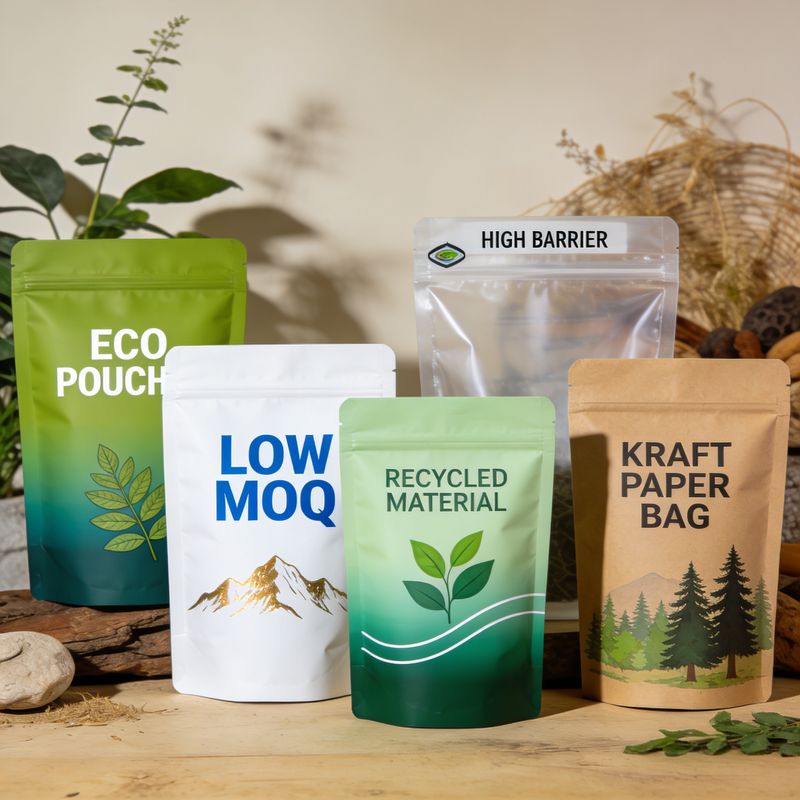
That’s why experienced packaging suppliers rarely recommend one universal “eco solution” for every category. The real goal is finding the right balance between sustainability, functionality, visual presentation, and operational practicality.
Market destination matters too. Recycling infrastructure varies significantly between countries, even within Europe. A pouch considered recyclable in Germany may not be processed the same way elsewhere.
Brand presentation is another factor that often gets underestimated. Some sustainable materials behave differently during printing or lamination. Matte textures, kraft finishes, transparency levels, and metallic effects can all influence how premium the packaging feels on shelf.
For example, eco-friendly kraft paper stand-up pouches remain extremely popular among artisanal food and organic brands because they instantly communicate a more natural, handmade aesthetic.
But packaging also needs to work operationally. MOQ flexibility, production consistency, lead times, and food-grade certifications matter just as much as sustainability claims — sometimes more.
Common Mistakes Brands Make When Choosing Eco Packaging
One mistake appears again and again: brands focusing heavily on the “eco” concept without fully considering how the packaging performs in real commercial environments.
Paper packaging is a good example. Many companies assume paper automatically equals sustainability, but certain paper laminations can actually reduce recyclability significantly. In some situations, a recyclable mono-material pouch may deliver a better environmental outcome overall.
Another common issue is overlooking local recycling realities. Technically recyclable packaging still depends on whether local waste systems can actually process it.
Some brands also push too far toward minimal material usage and accidentally reduce product shelf life. That creates food waste, product returns, and customer dissatisfaction — which can end up being even less sustainable long-term.
Then there’s the pricing trap. Looking only at unit cost often leads to poor packaging decisions. Cheap packaging can quietly damage brand positioning, reduce retail appeal, or create future compliance risks that become far more expensive later.
The strongest packaging strategies usually come from brands that think long-term rather than simply chasing the lowest initial price.
Future Trends in Sustainable Packaging
The sustainable packaging industry is evolving fast, and honestly, the pace has surprised even many manufacturers over the last few years.
Mono-material flexible packaging is expected to become increasingly dominant, particularly as EU regulations continue favoring recyclable structures that fit existing waste streams more efficiently.
Digital printing is another major shift. More brands now want lower MOQs, faster SKU changes, and reduced production waste — all areas where digital printing performs extremely well.
Lightweight flexible packaging will likely continue replacing heavier rigid formats in many industries because it reduces transportation costs, storage requirements, and overall material usage.
At the same time, smart packaging technologies are becoming more common. QR-enabled packaging can now support recycling instructions, ingredient traceability, authentication, and interactive brand storytelling in ways traditional packaging never could.
PCR material usage is also expanding rapidly as governments push for higher recycled-content requirements across consumer packaging categories.
Overall, the future of packaging looks much more circular, data-driven, and regulation-focused than it did even five years ago.
Where Can Brands Find Reliable Eco-Friendly Packaging Solutions?
Finding “eco packaging” online isn’t difficult anymore. Finding packaging that is commercially scalable, visually premium, compliant, and genuinely suitable for your product — that’s the harder part.
At DINGLI PACK, we help brands develop sustainable flexible packaging solutions that are designed for real market conditions, not just sustainability marketing language.
Our team supports brands with recyclable mono-material packaging, compostable pouch solutions, high-barrier flexible packaging, custom printing, OEM and ODM development, and small-MOQ production support for growing businesses.
Whether you’re preparing for upcoming EU packaging regulations or simply looking to modernize your packaging system, the goal is usually the same: finding packaging that protects the product, strengthens the brand, and supports long-term sustainability goals at the same time.
You can explore more sustainable packaging solutions on the DINGLI PACK website or contact our team directly through the contact page.
Final Thoughts
Eco-friendly packaging is no longer a niche trend. It’s becoming part of how modern brands compete.
The companies adapting early are positioning themselves more strongly for future retail requirements, consumer expectations, and international regulations. And while sustainable packaging can feel complicated at first, the brands that approach it strategically tend to gain far more than compliance alone.
Good packaging should protect the product, communicate the brand clearly, and make operational sense. Great sustainable packaging manages to do all three without feeling forced.

ONE-STOP PACKAGING SOLUTION - From Concept to Shelf in 7 Days
At DINGLI PACK, we know how stressful packaging can be for small brands, store owners, and startups. That’s why we focus on making it simple, reliable, and tailored to your needs. From stand up pouches, coffee bags with valves, flat bottom bags, spout pouches, shrink sleeves...
Our team provides hands-on support—from free package design and material advice to practical OEM guidance—making sure your product looks great and stays protected. Want to see us in action? Check our Video Center.
With a 5,000 m² workshop and 24/7 support, we deliver fast replies, consistent quality, and peace of mind. Stay updated with our tips and stories in the News Section, or explore all our solutions on the Products Page.
We’re more than a supplier—we’re a partner who understands the challenges of growing a brand and is ready to make your packaging shine.
Address
Block B-29,
VanYang Crowd Innovation Park ,
No 1 ShuangYang Road,
YangQiao Town, BoLuo District,
HuiZhou City, 516157, China
Phone
Support: +86 13410678885
Hours
Monday-Friday: 9am to 6pm
Saturday, Sunday: Closed


Post time: May-19-2026