
When it comes to packaging, there’s no one-size-fits-all solution. Two of the most common — and important — options are rigid packaging and flexible packaging pouch.
But what exactly are they, and how should you choose between them? Let’s break it down in simple terms — with just enough technical detail to help you make confident decisions.
At DINGLI PACK, we not only specialize in flexible and rigid packaging, but also offer one-stop solutions, including custom paper tubes, jars, paper display boxes, and blister inserts — everything you need to complete your packaging system with ease.
What Is Flexible Packaging?
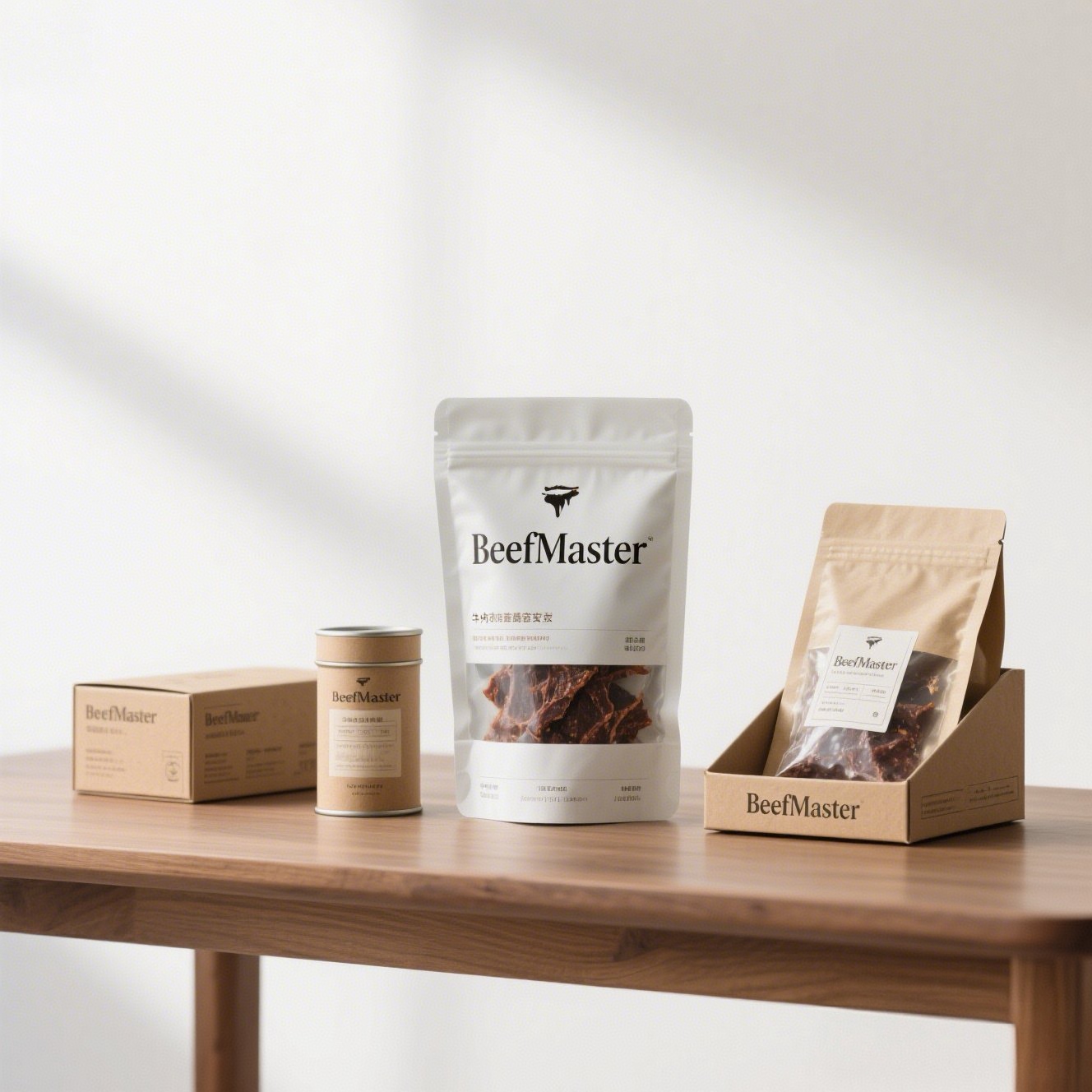
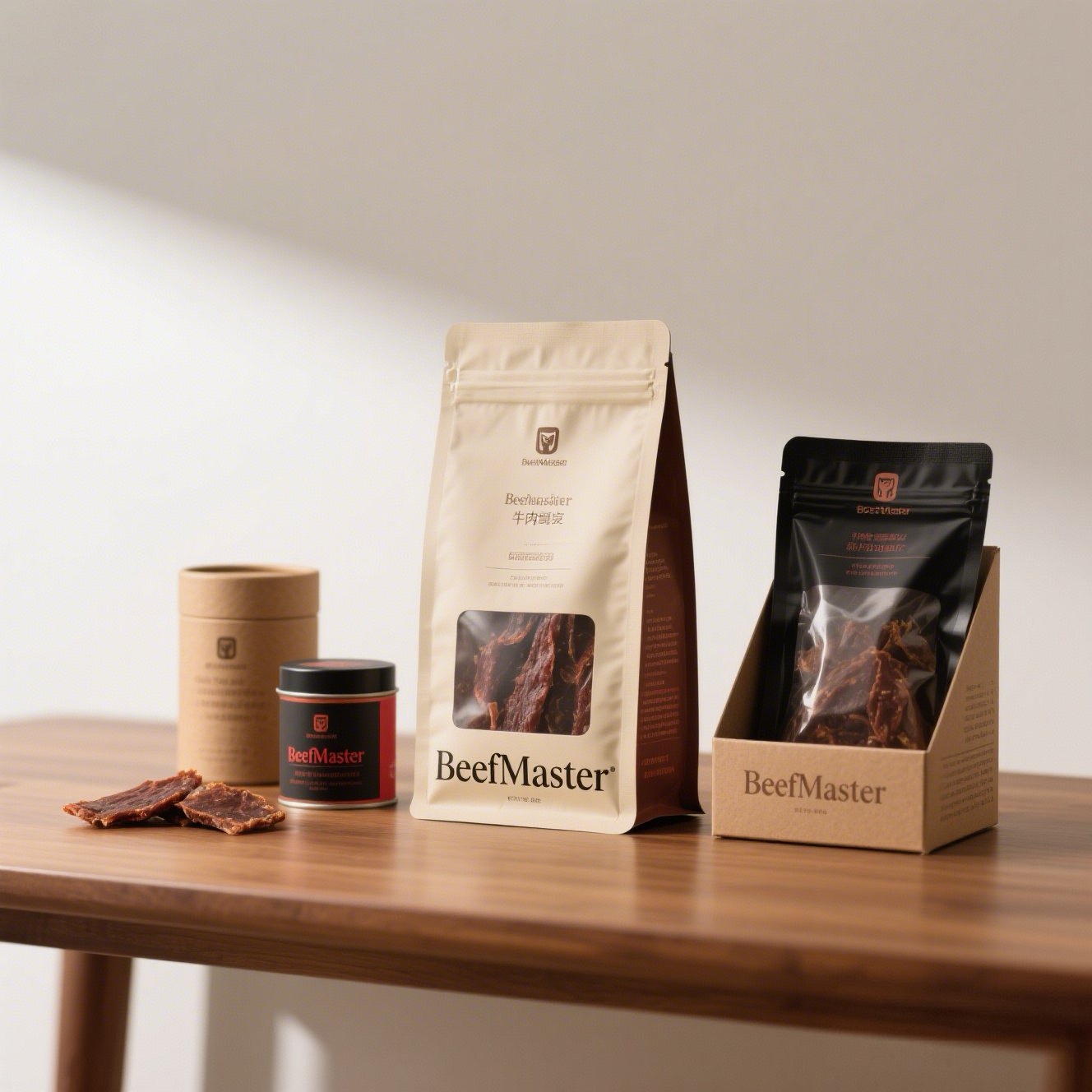
Flexible packaging is made from materials that can easily bend, stretch, or fold. Think of it like a soft envelope that wraps around your product, rather than a hard box it sits inside. Common examples include:
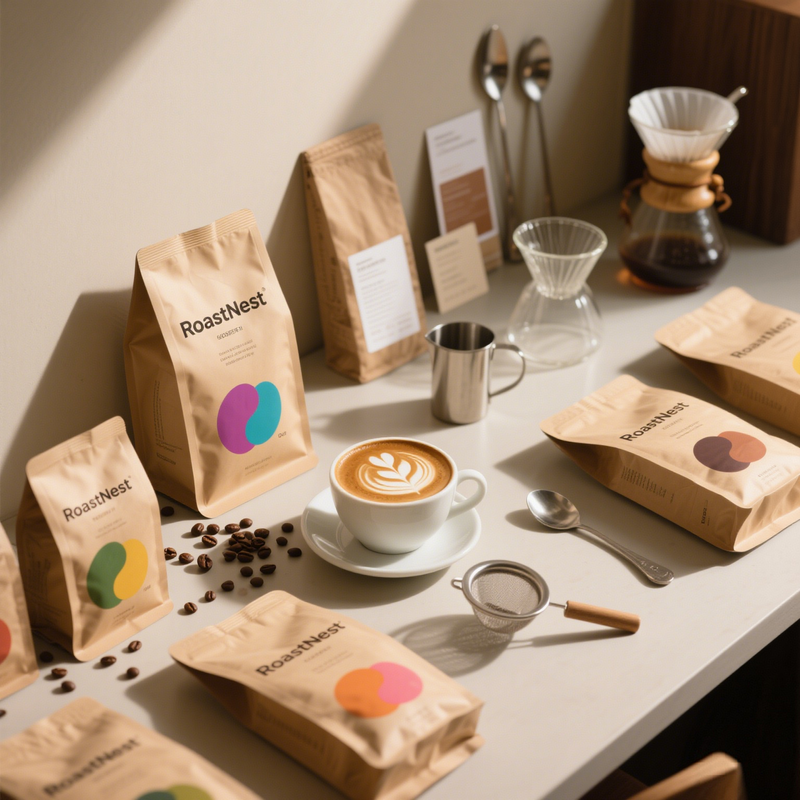
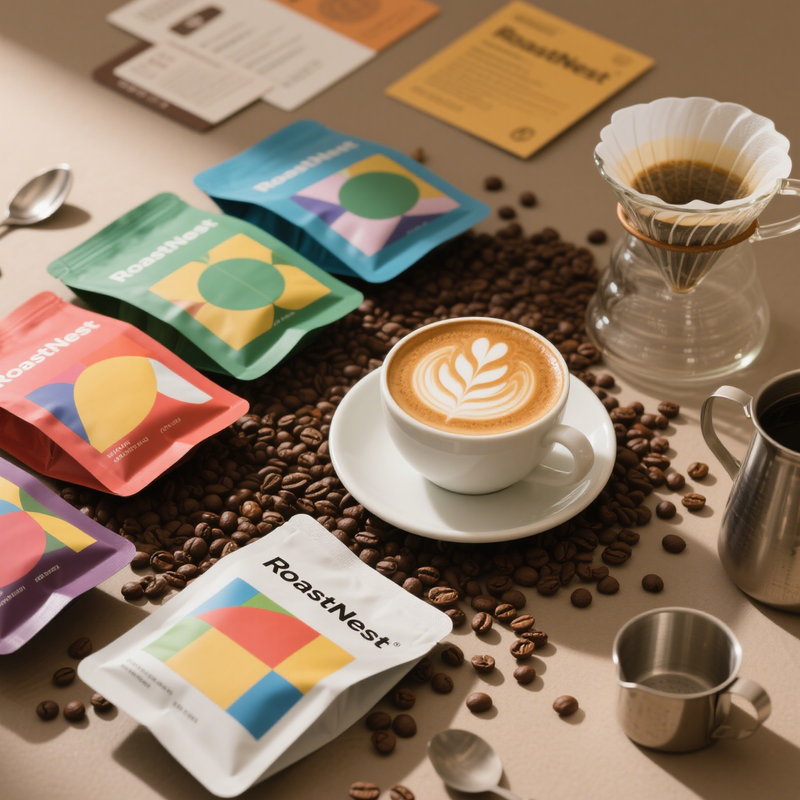
Stand-up pouches:These pouches have a bottom gusset that lets them stand upright on shelves.(Think of the resealable bags you buy trail mix or dog treats in.)
Rollstock Film:Flexible film material wound into large rolls, used on automated packaging machines.
Shrink Films: Plastic film that shrinks tightly when heat is applied. Common for bundling multiple products together (like bottled water packs) or protecting irregularly shaped items.
Vacuum Bags: Flexible bags designed to remove air from inside and create a tight seal. Ideal for fresh meat, seafood, cheese, and coffee.
Because it can mold to the shape of what's inside, flexible packaging saves space and cuts down on shipping costs. It’s perfect for lightweight, snackable products or anything you want consumers to carry easily.
Key Features:
Made from plastic films, paper, or aluminum foil
Lightweight and space-saving
Offers excellent barrier protection (especially against moisture, oxygen, and light)
Allows for resealable designs like zippers or spouts
The best flexible packaging depends on:
What you’re packing (solid, liquid, powder?)
How long it needs to stay fresh
How it will be stored and transported
How you want it to look on the shelf
What Is Rigid Packaging?
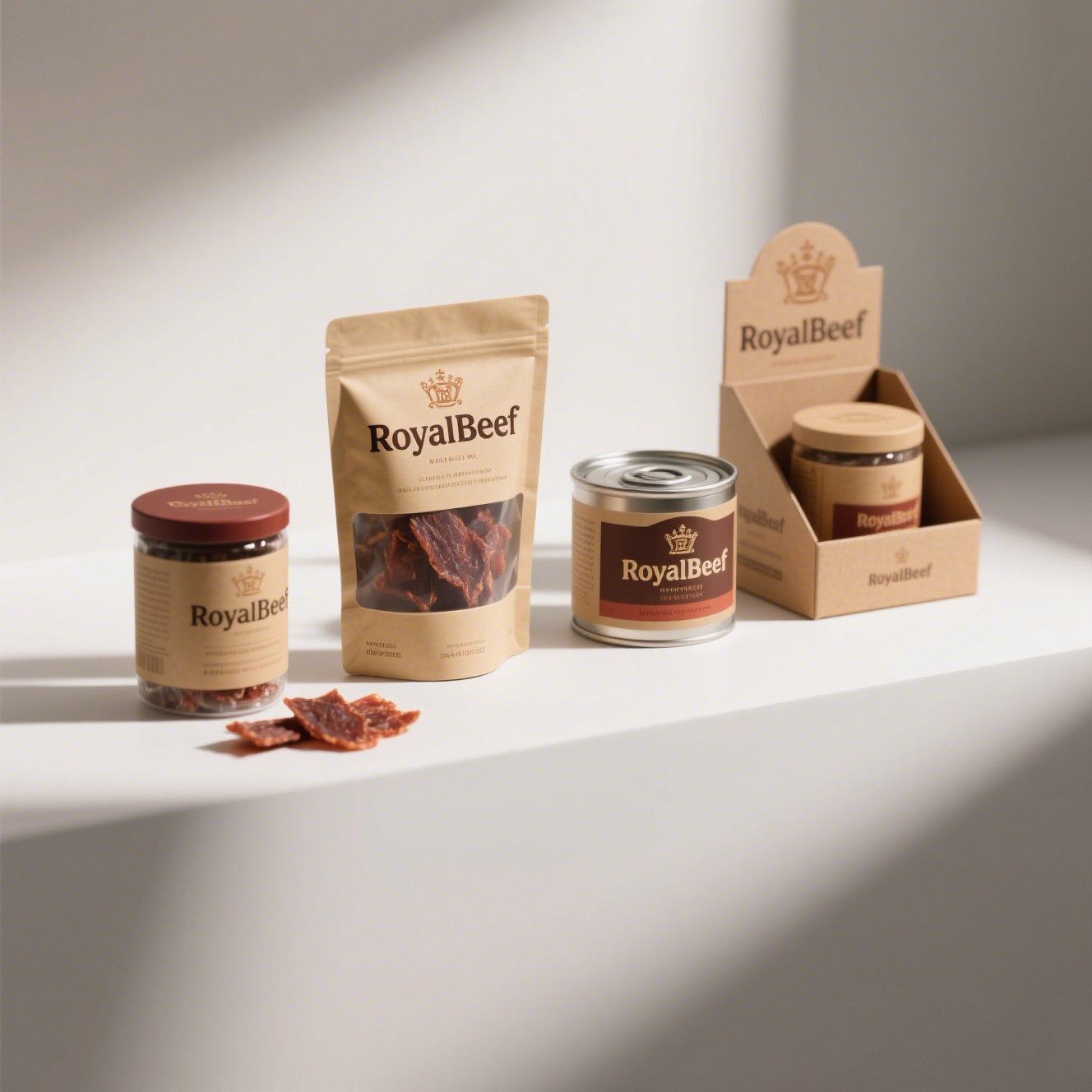
Rigid packaging, on the other hand, holds its shape no matter what’s inside. Think of glass bottles, metal cans, or cardboard boxes — these structures are solid and protective.
Rigid packaging is typically used for fragile, luxury, or heavy products where a high-end look or maximum protection is essential.
Key Features:
Made from glass, metal, rigid plastics (like PET or HDPE), or thick paperboard
Strong and impact-resistant
Offers premium appearance and strong shelf presence
Often recyclable or reusable
Quick Comparison: Rigid vs. Flexible Packaging
|
Feature |
Rigid Packaging |
Flexible Packaging |
| Structure | Keeps its shape (like a box) | Adapts to product shape (like a pouch) |
| Weight | Heavier (higher shipping costs) | Lightweight (lower shipping costs) |
| Protection | Great for fragile goods | Good for general barrier needs |
| Space Efficiency | Bulky | Space-saving |
| Customization | High-end printing and finishes | Highly versatile in shapes and closures |
| Sustainability | Often reusable | Sometimes harder to recycle (depends on material) |
Pros and Cons at a Glance
Rigid Packaging
✅ Strong protection for fragile items
✅ Creates a premium unboxing experience
✅ More likely to be reusable or recyclable
❌ Heavier and more expensive to ship
❌ Takes up more storage space
Flexible Packaging
✅ Lightweight and cost-effective
✅ Saves storage and transportation costs
✅ Highly customizable with closures, zippers, spouts
❌ Less durable against physical impacts
❌ Some flexible films can affect food flavor if not properly selected
Real Talk: Which One Should You Choose?
Here’s a simple way to think about it:
If you’re packaging fragile, luxury, or high-value items, rigid packaging gives you the protection and premium feel you need.
If you’re selling lightweight, snackable, or on-the-go products, flexible packaging offers the versatility and efficiency you want.
At DINGLI PACK, we don’t just stop at the bag or the box.
We offer full packaging systems — from customized jars, paper tubes, and paper display boxes to blister trays — ensuring your product presentation is cohesive, attractive, and practical.
Whether you need flexible pouches for food products or rigid boxes for electronics, we tailor everything to your brand’s goals — because you need packaging that works as hard as you do.
Final Thoughts
There’s no universal “best” packaging — only what’s best for your product, your logistics, and your customers' expectations.
The good news?
With DINGLI PACK as your partner, you’ll never have to choose alone.
We’re here to guide you with expert advice, practical solutions, and complete one-stop services to elevate your brand through smart, stylish, and efficient packaging.


Post time: Apr-28-2025